Sign in. It’s quick, free and it’s up to you.
An account is an optional way to support the work we do. Find out more.
Sign in. It’s quick, free and it’s up to you.
An account is an optional way to support the work we do. Find out more.
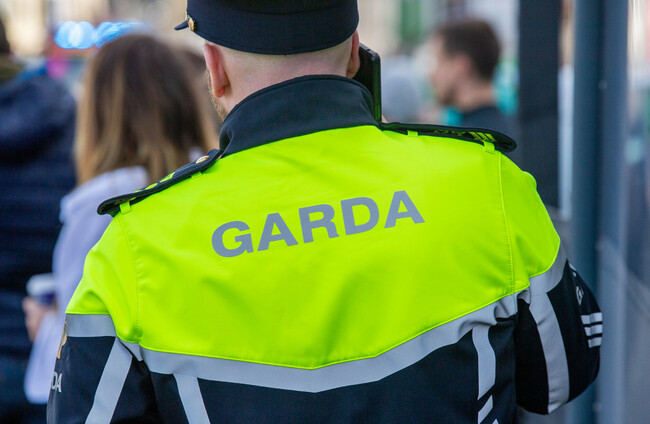
JUSTICE MINISTER JIM O’Callaghan has dismissed claims by Labour that “unvetted trainee gardaí are being allowed to patrol out streets”.
Speaking in the Dáil this morning, Labour’s Justice Spokesperson Alan Kelly said that Garda Commissioner Drew Harris informed the Justice Department in November that “full vetting would no longer take place in Templemore prior to trainees entering the college”.
Kelly said this “sent shockwaves” through the force.
“If gardaí are not going to be fully vetted before entering Templemore, then how can standards be maintained?” asked Kelly.
O’Callaghan said the Garda Commissioner has described the vetting system in place as the “most stringent vetting of any role in the state”.

The Justice Minister said there are three stages to the vetting process.
Stage one is completed before garda recruits enter Templemore, and stages two and three occur when they are in Templemore.
O’Callaghan said this speeds up the process of recruitment and that new gardaí will end up being vetted to the same degree as anyone else in the force.
“It won’t result in a situation where we have gardaí patrolling the streets as attested members who haven’t been thoroughly vetted,” said O’Callaghan.
“They are vetted, but the process of vetting isn’t completed until they are fully attested.”
However, Kelly said the standards of vetting are now different and that the new vetting procedure is a “political ploy to ensure that numbers got bumped up in December”.
He said O’Callaghan needs to ensure that there is no one in Templemore who shouldn’t be there.
“These people who enter Templemore need to be vetted in the same standard as they have always been vetted,” said Kelly.
“The public aren’t buying this and they’re worried about it.”
However, O’Callaghan repeated that the vetting takes place in three stages, and he noted that the first stage, completed before anyone enters Templemore, is extensive and involves detailed personal information on the candidate and family members
He said the second stage, which happens while the candidate is in Templemore, involves “security checks and local vetting, which is a short interview conducted by a sergeant or higher rank on the garda’s local station”.
The third stage then involves the garda vetting bureau making a final decision, said O’Callaghan.
However, Kelly said the “bottom line” is that there are candidates in Templemore “who simply are not vetted to the standard required”.
“You can’t deny that,” said Kelly, “and there are guards of different ranks who are disgusted by this.”
O’Callaghan repeated that part of the vetting process takes place during training, and that this is done to speed up the recruitment process due to a “recruitment crisis”.
“We are changing the sequencing of the process to speed it up,” said O’Callaghan.
“We are letting people start, and then we are getting the information and we’re getting fully vetted gardai at the end of the process.”
In a statement after their Dáil exchange, Kelly said the issue is “absolutely staggering”.
“The public will be shocked that trainee Gardaí – individuals who may never even become full members of the force – are being sent out on patrol without the necessary background checks.
“I have been told by Gardaí that full vetting ‘would no longer take place’ for new recruits entering Templemore.
“This raises fundamental questions about the Government’s commitment to upholding the integrity of the force.”
Kelly described the new vetting system as “desperate attempt to paper over the cracks” which involved “unvetted trainees being sent out, putting both the public and the integrity of the Gardaí at risk”.
Kelly added that there needs to be an “immediate guarantee that no trainee is being deployed on patrol without full vetting”.

To embed this post, copy the code below on your site














have your say