Sign in. It’s quick, free and it’s up to you.
An account is an optional way to support the work we do. Find out more.
Sign in. It’s quick, free and it’s up to you.
An account is an optional way to support the work we do. Find out more.
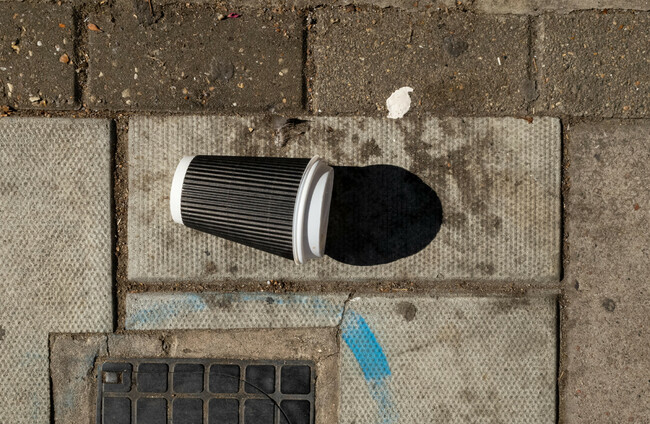
ON-THE-SPOT FINES FOR littering will increase from €150 to €250 from 1 September.
Minister of State with responsibility for the Circular Economy Alan Dillon announced the change today as part of a range of new measures aiming to reduce littering.
A €250,000 fund has also been set up for local authorities to purchase more dog waste bins, bag dispensers and other infrastructure for locations regularly used by dog owners. Meanwhile, a nationwide anti-litter awareness campaign – ‘Bin it or bring it home’ – has been launched.
The results of the 2025 National Litter Pollution Monitoring System, which has monitored litter levels nationwide since 1999, show a decrease in litter pollution, but suggest passing pedestrians are the largest source of litter.
Passing pedestrians accounted for 39% of litter nationally and passing motorists account for almost one-fifth of litter pollution
But over 20% of the locations surveyed by the study were classified as unpolluted, up from 19.2% in 2024. Moderately polluted areas fell from over 17% to over 13% and significantly polluted areas also declined.
Dillon said litter, including dog fouling, is an issue he “consistently” hears about.
“There must be consequences for littering. Those who drop litter impose costs on communities, local authorities and taxpayers,” he said.
“The increase in fines sends a clear message that littering is unacceptable and that the polluter must pay. Most people dispose of their waste responsibly. It is unfair that the actions of a small minority can spoil public spaces for everyone else.”
Dillon said the combination of “stronger enforcement, targeted investment and public awareness” will help drive further improvements in litter levels.
“Through higher fines, improved infrastructure and sustained public awareness, we are taking practical steps to build cleaner, healthier and more attractive communities throughout Ireland,” he added.

To embed this post, copy the code below on your site











have your say