Sign in. It’s quick, free and it’s up to you.
An account is an optional way to support the work we do. Find out more.
Sign in. It’s quick, free and it’s up to you.
An account is an optional way to support the work we do. Find out more.
LAST UPDATE | 9 Feb 2023
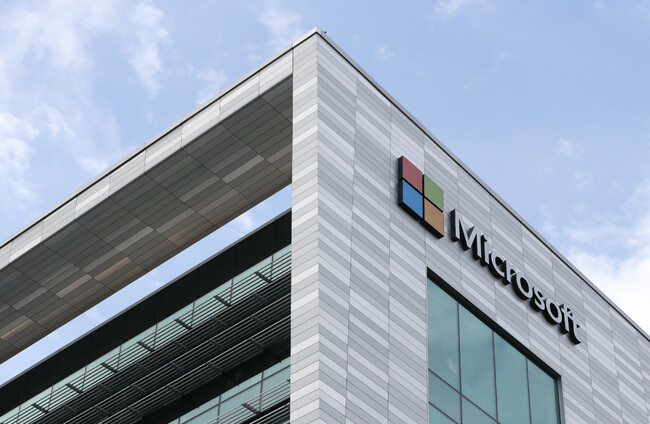
STAFF AT MICROSOFT Ireland have been informed this morning of plans to lay off 120 employees.
Last month, Microsoft announced that it would cut up to 10,000 employees globally over the coming months, which is equal to around 5% of its workforce.
Microsoft employs around 3,600 people in its Dublin office.
Speaking at the World Economic Forum in Davos last month, a day after Microsoft announced the job cuts, Taoiseach Leo Varadkar confirmed that “Ireland will be affected”.
This morning, Microsoft Ireland staff were informed that the number of job losses here will be 120.
A slew of tech giants have announced significant job cuts in recent months, including Meta (which owns Facebook, Instagram, and Whatsapp), Google’s parent company Alpha, PayPal and Spotify.
In a statement to The Journal, Minister of State with responsibility for Employment Affairs Neale Richmond said: “Microsoft have been in touch with the Department of Enterprise today regarding the reduction of their workforce here in Ireland.
“I know that this is a very worrying development for the 3,615 people who work for Microsoft in Leopardstown and my thoughts are with them and their families at this time.
“The Government will work closely with Microsoft to ensure they meet all their statutory obligations as well as closely with those impacted to assist them where needed.”
Richmond said that today’s announcement is “part of a global trend in the tech sector” but added that “Ireland has not suffered as many losses as many other countries”.
“The job losses in Ireland have been below the global averages announced,” said Richmond.
He added: “While this is of course deeply worrying for those impacted, we must remember that we are at full employment and there is a strong demand for tech skills across all sectors of the Irish economy.”

To embed this post, copy the code below on your site












have your say