Sign in. It’s quick, free and it’s up to you.
An account is an optional way to support the work we do. Find out more.
Sign in. It’s quick, free and it’s up to you.
An account is an optional way to support the work we do. Find out more.
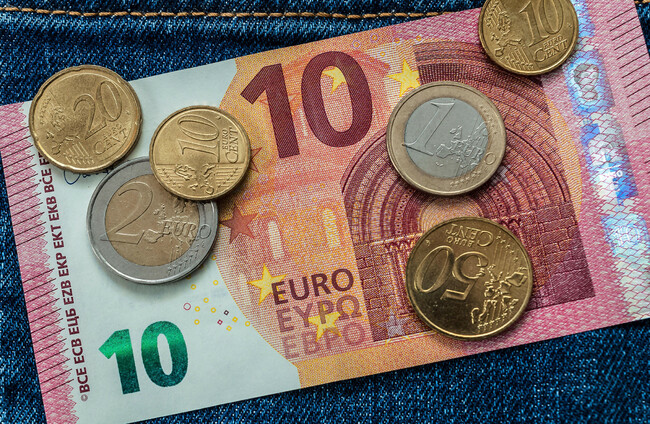
A NEW REPORT has found most of the recent increases in Ireland’s minimum wage had no impact on inflation.
The report from the Economic and Social Research Institute (ESRI), funded by the Low Pay Commission, found no significant increases in prices in seven out of eight minimum wage increases since 2016.
Minimum wage employees account for just 2.7% of Ireland’s total wage bill.
The only increase that impacted on prices according to the report was the January 2024 increase from €11.30 to €12.70 per hour, which is the largest ever jump in the minimum wage in Ireland.
This was associated with a 2.5% increase in prices across several categories including hairdressing, takeaway coffee, takeaway meals and restaurant meals.
However, these categories account for just 11% of total consumer spending and the ESRI found that small to moderate minimum wage increases have a negligible impact on prices overall.
Other recent events have had much larger impacts on prices than the 2024 increase.
These include VAT adjustments in 2019 and 2023 and the Covid-19 pandemic in 2020, which were associated with three to four times bigger increases in the cost of goods and services.
The adult minimum wage in Ireland is currently €14.15 per hour.
In 2015, it was €8.65 per hour. There were increases to the minimum wage in 2016, 2017, 2018, 2021, 2022, 2023, 2024, 2025.
Employees in Ireland aged under 20 can earn an age-based, sub-minimum youth wage.
For example, an employee aged 18 is entitled to 80% of the full adult minimum wage rate. Upon turning 19, they are entitled to 90% of the full rate, and upon turning 20, they are entitled to the full adult minimum wage rate.
To embed this post, copy the code below on your site












have your say