Sign in. It’s quick, free and it’s up to you.
An account is an optional way to support the work we do. Find out more.
Sign in. It’s quick, free and it’s up to you.
An account is an optional way to support the work we do. Find out more.
MORE THAN 40 people were brought to court this year over alleged wildlife crimes, a 39% increase on 2022, according to the National Parks and Wildlife Service.
Breaches of wildlife legislation ranged from the disturbance of bats, illegal hunting such as hare lurching and damage to Special Areas of Conservation (SACs).
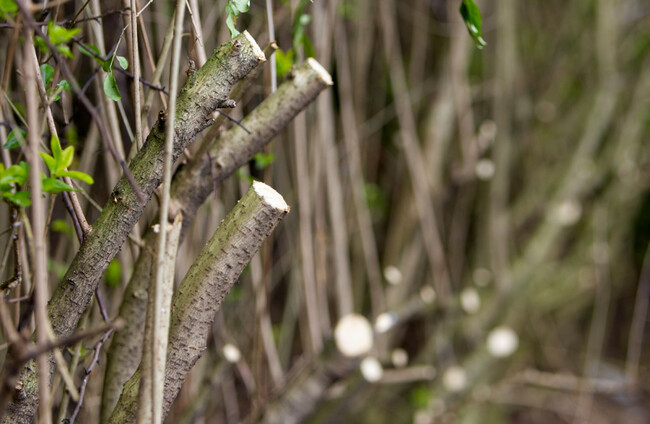
They also included cases of alleged unlawful destruction of vegetation in hedgerows and unlawful burning of vegetation within the restricted period.
The 39% increase in prosecution saw the number of cases jump from 30 in 2022 to 43 in 2023.
Files are submitted by NPWS staff to the Chief States Solicitor’s Office and prosecutions are taken by NPWS and in collaboration with gardaí.
The work being carried out by the National Parks and Wildlife Service in this area saw 112 prosecutions successfully closed from 2020 to date.
These have seen numerous convictions and record fines imposed on the defendants for offences against nature, the NPWS said in a statement.
Some of the successful cases taken this year have seen a conviction and fine for the destruction of badger sett; damage caused on a Special Area of Conservation saw a company convicted and fined €8,000.
In another prosecution, a company was found guilty on multiple breaches of the Birds and Habitats regulations and issued €31,000 in fines and 11 convictions imposed.
Minister for Nature, Heritage and Electoral Reform Malcolm Noonan said that “citizen reporting” is crucial to a number of such cases taken by the NPWS.
“NPWS staff work throughout the country to address wildlife crime and enforcement. This issue is being taken very seriously by the State, as we have seen through increasing fines and convictions,” Noonan said.
“Legislation and regulations help to protect our biodiversity, health and our future, and we must all adhere to them.
Citizen reporting is an essential element in safeguarding nature and to help prevent wildlife crime. I would call on anyone who witnesses wildlife crime to get in touch with the NPWS or An Garda Siochána.”
Niall O’Donnchú, Director General of the NPWS said, said that the body’s work detecting, preventing and enforcing wildlife crime is “being strengthened through the recruitment of additional NPWS staff on the ground”, along with training and other support for staff involved in this work and by enhanced co-operation with other enforcement authorities.

To embed this post, copy the code below on your site















have your say