Sign in. It’s quick, free and it’s up to you.
An account is an optional way to support the work we do. Find out more.
Sign in. It’s quick, free and it’s up to you.
An account is an optional way to support the work we do. Find out more.
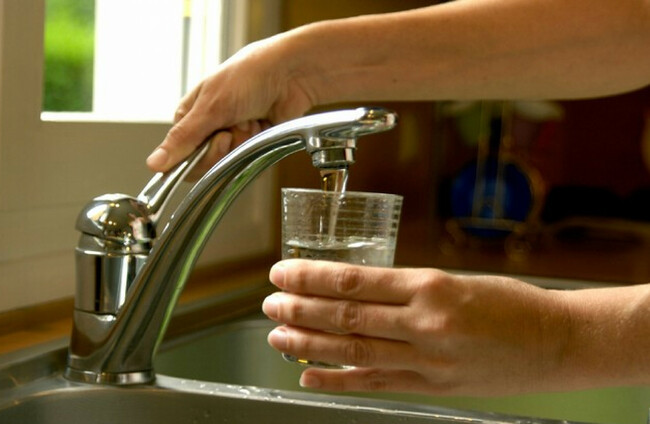
THE NUMBER OF boil water notices and water restriction notices both increased last year.
The Environmental Protection Agency (EPA) has published the findings in a new report on drinking water quality in public supplies in 2025.
Last year, 100 supplies affecting almost 200,000 consumers were impacted by boil water notices or water restriction notices, up from 84 supplies in 2024.
That equates to an increase of just over 19%.
There were 66 boil water notices and 34 water restrictions in place in 2025, compared to 59 and 25 respectively in 2024.
Some 28 of these boil water notices during 2025 were in place for more than 30 days, while 23 water restriction notices were in place for over 30 days.
The HSE must be consulted “promptly” by Uisce Éireann where a water quality failure or incident could result in a public health risk.
A boil water notice or water restriction notice can then be imposed by Uisce Éireann as a result of that consultation.
The majority of boil water notices in place last year related to inadequate disinfection.
And of the 66 boil water notices issued last year, nine were associated with Storm Eowyn, while 11 supplies were subject to more than one boil water notice across the year.
Some 24 supplies also had E. coli failures last year and the EPA said this highlights that some water treatment plants “lack resilience and cannot consistently supply disinfected water to consumers”.
The EPA has called on Uisce Éireann to “improve treatment plant resilience to respond to changing weather conditions, raw water quality or malfunctions in the treatment process so that water restrictions are not needed in the first place”.
EPA programme manager Noel Byrne said the number of notices in place across last year is “worrying”.
He said the restrictions cause “considerable inconvenience for consumers” and that Uisce Éireann “must make water treatment plants more robust”.
Meanwhile, the water restriction notices were in place for a mix of water quality issues such as nitrate, copper, manganese or iron.
Twelve of these were due to manganese or iron, which are found naturally in many surface water and groundwater sources.
Water passing through iron pipes can result in high iron which can also compromise disinfection.
The EPA has called on Uisce Éireann to address the increase in manganese failures.
Elsewhere, the EPA’s report also highlights wider challenges across the supply network, including the level of leakage and the replacement of lead pipe work.
Some 36% of treated water is lost daily through leakage, and the EPA warns that people continue to be at risk from exposure to lead in drinking water due to lead in water pipes.
Lead was used in pipework and plumbing in buildings up to, and including, the 1970s before it was recognised as a health risk and the EPA has called for Uisce Éireann to replace publicly owned lead connections.
Despite these challenges, the EPA said that the quality of drinking water from public supplies continues to be high, with 99.8% of samples compliant with standards.
The number of “at-risk” supplies has also decreased, from 45 in 2025 to 35 last year.
However, the EPA said issues with these 35 supplies must be addressed “as soon as possible”.
EPA director Patrick Byrne remarked that “people can be confident that the water supplied to their homes is safe to drink” but called on Uisce Éireann to “allocate necessary resources to complete the required upgrades at ‘at-risk’ supplies”.

To embed this post, copy the code below on your site















have your say