We need your help now

Support from readers like you keeps The Journal open.

You are visiting us because we have something you value. Independent, unbiased news that tells the truth. Advertising revenue goes some way to support our mission, but this year it has not been enough.

If you've seen value in our reporting, please contribute what you can, so we can continue to produce accurate and meaningful journalism. For everyone who needs it.

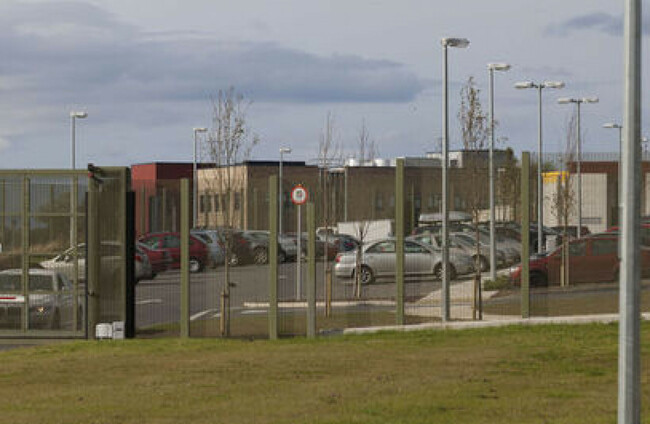
The Oberstown centre in north Co Dublin. Rollingnews.ie

Oberstown at capacity: Courts unable to put a number of alleged young offenders in custody

The offences and alleged offences included assault, criminal damage, theft and drug dealing.

JUDGES HAVE BEEN unable to send a number of alleged child offenders to the country’s youth detention centre recently because it is at full capacity

There is a strict cap on the number of children who can be detained at Oberstown in North County Dublin, the government has confirmed.

The Journal has spoken to multiple garda and other agency sources who are dealing directly with child offenders.

Sources said that on multiple occasions recently, at the Children’s Court in Dublin’s Smithfield, gardaí, working with Tusla social workers, have made unsuccessful applications to have alleged child offenders held in custody in Oberstown.

Gardaí and courts in all Irish provinces are reporting similar problems. 

A source in Dublin said that it is “a case of luck” if a place becomes available or not. 

Some of the alleged offences for which children have not been remanded in custody recently included assault, criminal damage, theft and drug dealing. 

There is a supervision service for children on bail.

As of Thursday 30 January, Oberstown had been at full capacity for boys for 24 days of 2025, The Journal has confirmed.

Oberstown was at full capacity for boys for 186 days last year.

Child detention in Ireland

Unlike adult jails, which are managed by the Irish Prison Service, Oberstown Detention Campus is managed by the Department of Children. 

There was a second facility in Ireland where offenders under the age of 18 were housed. St Patrick’s Institution, on the Mountjoy Prison Campus, was closed in 2017 after a number of reports stated that it was not fit for child detention. 

Three detention schools were amalgamated in 2016 to form the Oberstown Children Detention Campus.

Children between the ages of 10 and 18 can be detained at the north Dublin facility.

A Department spokeswoman said that there are just 46 spaces for children and this is limited by an order of the Minister to prevent overcrowding.

The Department said in a statement that detention is to be used as a “measure of last resort” and that a range of alternative, community-based sanctions is provided for.

“The maximum occupancy at Oberstown is set by the Minister for Children, Equality, Disability, Integration and Youth by way of a certificate made under the Children Act 2001.

“This is currently set at 46 (40 boys and 6 girls). This includes children serving sentences of detention and also children who have been remanded by the courts,” the Department said.

“Oberstown operates a bed management system, whereby close contact is maintained with the courts and beds are provided on a first-come first-served basis.

A detention order can only be made by a court once the court has established that a bed is available.”

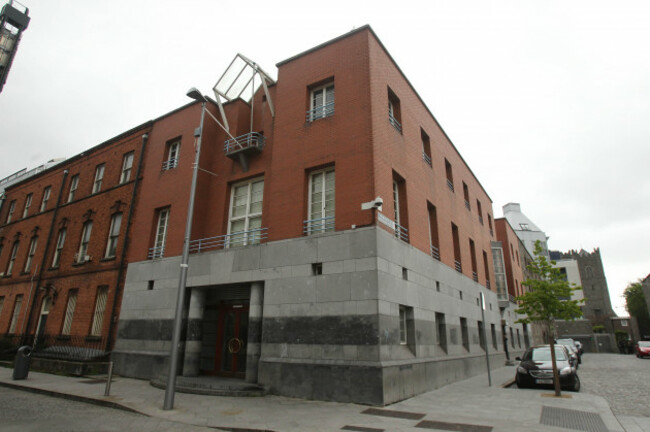
the-childrens-court-in-dublin-where-childrens-minister-frances-fitzgerald-and-the-irish-youth-justice-service-are-expected-to-respond-to-a-judges-call-for-an-explanation-for-the-lack-of-detention Dublin's Children Court in Smithfield. Alamy Stock Photo Alamy Stock Photo

Possible changes

Daily occupancy rates are monitored by the Department, the statement said. 

Officials are currently carrying out an “assessment of future demand” for Oberstown and the spokeswoman said this will inform “any possible changes to the maximum occupancy”.

The Department, while not discussing specifics on remand cases, said that the preferred solution was to have child offenders serve their sentences in “community sanctions”. 

The new Programme for Government contains a commitment to fund “youth justice programmes”.

Readers like you are keeping these stories free for everyone...
A mix of advertising and supporting contributions helps keep paywalls away from valuable information like this article. Over 5,000 readers like you have already stepped up and support us with a monthly payment or a once-off donation.

Close
JournalTv
News in 60 seconds