Sign in. It’s quick, free and it’s up to you.
An account is an optional way to support the work we do. Find out more.
Sign in. It’s quick, free and it’s up to you.
An account is an optional way to support the work we do. Find out more.
IT’S A SUBTLE feature of Dublin’s northside skyline, despite being one of the tallest structures in the city.
Sometimes it stands out as an iconic landmark. Other times, its plain colour and slim figure blend into the cityscape when viewed from afar.
It’s not commanding enough to peep above the surrounding streets too frequently, which is a little surprising when you reach the top and see the view – one that remained inaccessible for decades.
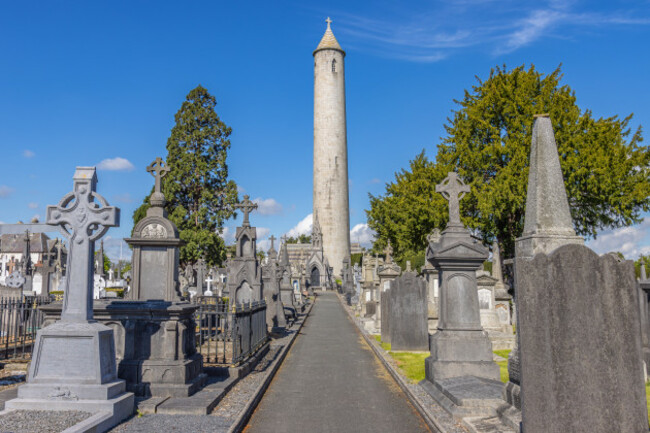
O’Connell Tower was built in 1855 to house the remains of Catholic emancipator Daniel O’Connell, who died eight years previous, in a crypt at its base.
The Liberator was pivotal in the creation of Glasnevin Cemetery, the result of his vision for a non-denominational burial ground at a time when most were operated by the Church of Ireland.
However, the faux round tower was the victim of a bomb attack in 1971, suspected to have been carried out by loyalist paramilitaries following a similar bombing by the IRA of Nelson’s Pillar on O’Connell Street in 1966.
Like the city centre attack, it failed to destroy the entire structure. The staircase was damaged, meaning only the relatively undamaged crypt at its base was accessible. A crack remains in the side of the tower.
Restoration work was carried out in the 2010s and it was formally opened again to the public in 2018.
Now, the tower is being re-launched.
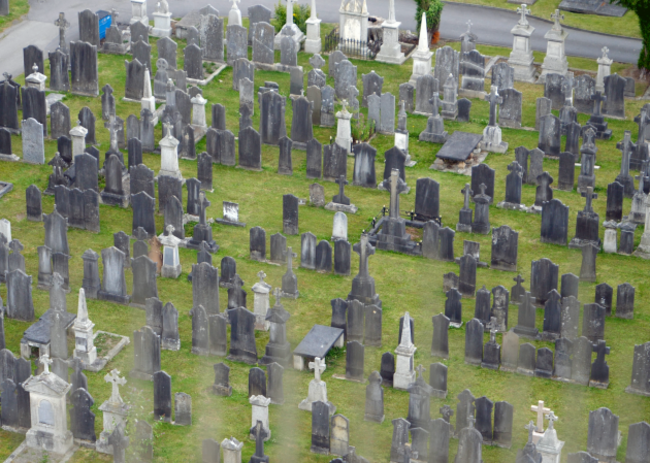
The cemetery’s primary remains true to O’Connell’s vision, with more than 1.5 million people having been laid to rest at the site since it opened in 1832, but it also operates as a major tourist attraction. It has featured in the top 1% of highest-rated attractions on Tripadvisor for two years running, with a museum onsite detailing the cemetery’s history and traditions and tours that document notable graves.
Aoife Watters, CEO of the Dublin Cemeteries Trust, which oversees the operation of the burial ground, described it as “a place of extraordinary social, cultural, and historical significance”.
She said the stories of those buried there allow Irish history to be experienced in an “accessible manner” and that a significant part of the cemetery’s role “is to preserve and promote the history and heritage of this country”.
O’Connell Tower forms part of this, but the site’s operators have now added new features to its interior staircase and viewing platform that illuminate the life of the building’s namesake.
This is primarily through panels at each landing and pre-recorded audio commentary—perhaps installed to keep visitors entertained as they stop to catch their breath travelling up the 198 steps.
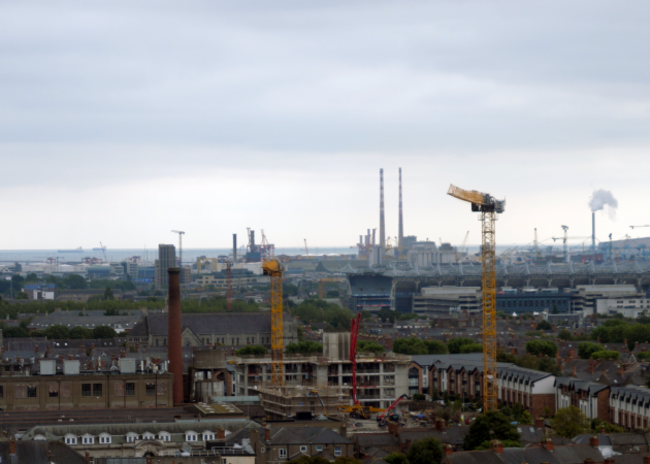
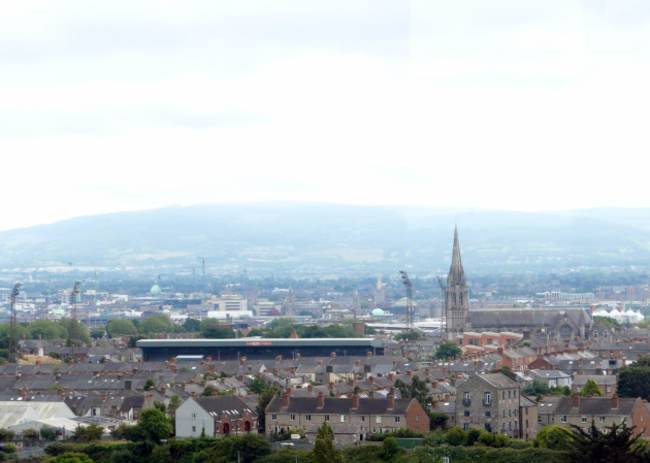
Its peak still offers a rare panoramic view of Dublin’s northside, and the sheer scale of the cemetery is clear as it spreads out below you. The new features here are new lighting in the ceiling and a display showing footage filmed using a drone zipping around the gravestones.
As you ascend, there’s also reminders of how many steps remain.
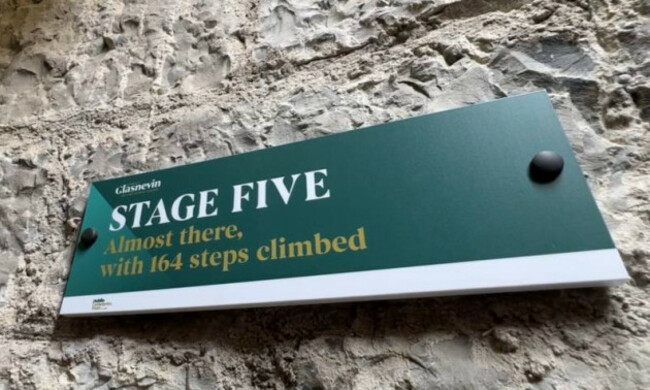
The information offers more detail on the life of Daniel O’Connell, and how his work came to be recognised not only in Ireland, but the world over (Watters highlighted in particular how one panel references a meeting between O’Connell and American abolitionist Frederick Douglass during the latter’s visit to Dublin in 1845).
And O’Connell’s fight for equality, aiming for the cemetery to be “for those of all religions and none”, strikes a relevant note today as well, Watters added:
From its very beginning, this is a place of equality of equals, and O’Connell’s language of inclusivity is so relevant today in modern Ireland.

To embed this post, copy the code below on your site














have your say