Sign in. It’s quick, free and it’s up to you.
An account is an optional way to support the work we do. Find out more.
Sign in. It’s quick, free and it’s up to you.
An account is an optional way to support the work we do. Find out more.
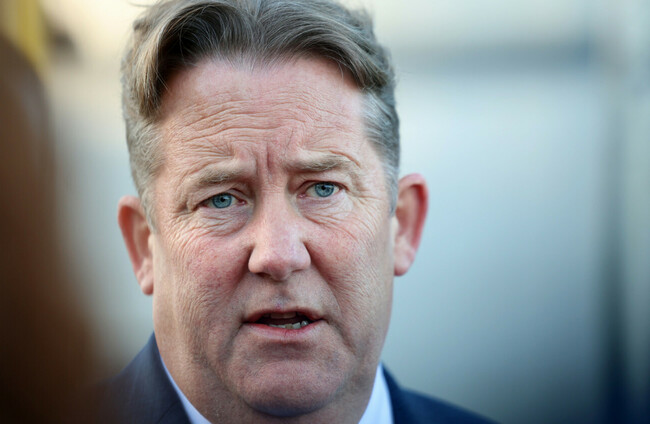
ENERGY MINISTER DARRAGH O’Brien has written to the consumer regulator to track soaring cost of fuel caused by the US and Israeli war on Iran.
The latest move comes following the fuel protests that rocked the country, but on foot of a Competition and Consumer Protection Commission (CCPC) that found there was no price gouging taking place.
O’Brien has now sought for the CCPC to consider “enhanced mechanisms” to track retail fuel prices during the crisis.
In its report on surging fuel prices this month, the CCPC said it was “driven by increases in wholesale costs”, not price gouging by individual companies, according to a new report.
The price of home heating oil rose by 67.5% in the month between February and March and went up by 63.3% in the last year.
The Competition and Consumer Protection Commission (CCPC) has examined more than 900 complaints about price gouging from the week of 2 March, when fuel costs surged after the outbreak of war in the Middle East.
Though they identified “a small number of questionable consumer protection practices” they “have not seen price increases that are in breach of any law”.
However, O’Brien believes that a “sharp increase” in the global price of fuel has “heightened public concern on transparency” in pricing.
Speaking on This Week on RTÉ Radio One, O’Brien said he wanted “better” reporting on prices so there’s “confidence amongst consumers that the prices reductions that come in are being passed on as quickly as possible”.
Asked if he believes there is skullduggery in the sector, O’Brien said he does not and instead wants assurances on transparency.
“I engage nearly on a daily basis now with Fuels for Ireland, who are the representative body there, and I’ve been given absolute assurances in that regard,” the Fianna Fáil TD said.
“That said though, we need to keep a watching brief on this, and that’s why I wrote to the Competition and Consumer Protection Commission.”
The Dublin Fingal East deputy said he wants the CCPC to look at other ways to monitor the situation, so that when the government makes “interventions in relation to price reductions or when when prices actually come down in the wholesale markets” that they’re actually passed on quickly.
He also said he believes electricity costs could increase by between 4 to 8% as a result of the war in the Middle East.
“In electricity, it will be single-digit increases but it again depends on each of the providers, looking at from 4-8/9% depending on the provider, gas more than that. But we are prepared for that,” he said.
“We have to scenario plan, which we actually did in January, that’s why we have targeted payments like the fuel allowances and expanded that, so about a quarter of households in the country, about 470,000 receive direct assistance in relation to their energy bills and we have extended that for a further month.
“Those measures are significant but we do have to retain the ability to respond further.”

To embed this post, copy the code below on your site











have your say