Sign in. It’s quick, free and it’s up to you.
An account is an optional way to support the work we do. Find out more.
Sign in. It’s quick, free and it’s up to you.
An account is an optional way to support the work we do. Find out more.
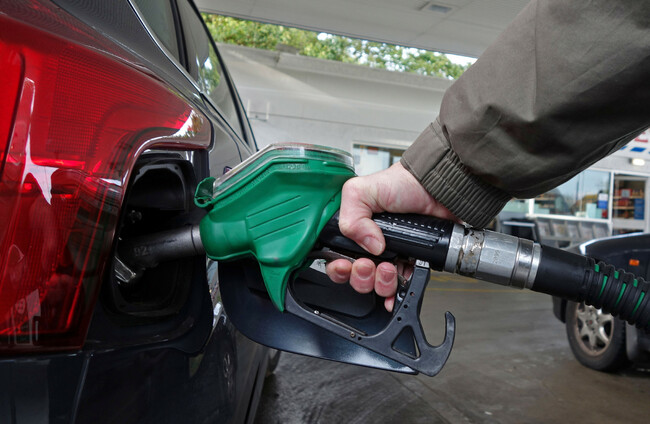
THE PRICE OF motor fuel is set to rise after Finance Minister Jack Chambers announced tax increases on both petrol and diesel in Budget 2025 today.
The rate per tonne of carbon dioxide emitted by petrol and diesel vehicles will increase from €56 to €63.50 from next Wednesday, 9 October. That is an increase of just over 13%.
The increase will then be applied to all other fuels from 1 May 2025.
“It’s clear that these taxes are punitive and regressive, hitting those who rely on their vehicles hardest,” Fuels for Ireland said in a statement.
Kevin McPartlan, CEO of Fuels for Ireland has called on Minister Chambers to convene an expert group to review the current fuel tax system.
“Our recent survey shows that 80% of motorists agree on the need for this urgent review,” he said.
“The continuous rise in fuel prices is not only hurting consumers but is counterproductive. It risks destabilising businesses and pushing more families into financial hardship,” McPartlan said.
The aim of a tax on carbon emmission is to discourage people from consuming carbon-emitting fuel and encourage them to waste less energy or move to more green-friendly fuels.
Taxing carbon is a method of reducing fossil fuel consumption that has appealed to governments because of its simplicity.
It is seen as a market-based approach to mitigating climate change, rather than a regulatory one; that is to say it puts a price on carbon rather than saying (hypothetically) that people could only use a certain amount of carbon in a year.
In Ireland, revenue from carbon tax is also ring-fenced by the Government and re-allocated for spending on climate action measures, such as retrofitting, agriculture schemes, and social protection for communities affected by climate action and the transition to a green economy.
However, as The Journal reported this week, not all of the “ringfenced” funds have been spent on climate action schemes.

To embed this post, copy the code below on your site















have your say