Sign in. It’s quick, free and it’s up to you.
An account is an optional way to support the work we do. Find out more.
Sign in. It’s quick, free and it’s up to you.
An account is an optional way to support the work we do. Find out more.
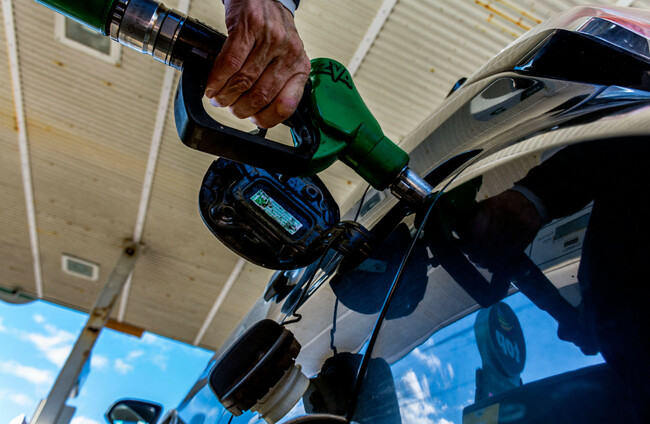
GREEN PARTY LEADER Roderic O’Gorman has said the expectation that the EU will scrap a planned 2035 ban on new petrol and diesel cars is “disappointing” and will be bad for both consumers and EU industry.
The measure is expected to be included in a package of reforms aimed at supporting the EU’s auto industry.
The ban was initially adopted in 2023 as part of a range of initiatives to combat climate change, but carmakers and their backers have lobbied Brussels for it to be relaxed over the last year, citing competition from China and a slower than expected shift to electric vehicles.
The European Commission is expected to propose replacing the ban with a 90% emissions reduction target. The less ambitious proposal is seen as undermining the EU’s green agenda by critics.
O’Gorman said today that as the number of Irish consumers choosing to purchase EVs rises, it’s a “disappointing decision” by the EU.
“At a time when Irish consumers are looking for choice and looking for better value, the EU is moving in the exact opposite direction, [which is] bad for European industry as well,” the TD said, citing figures that show that of Irish consumers buying new vehicles this year, 18% opted for EVs.
“The big winners here are the Chinese companies, the big EV companies, who are selling into the European market, and by allowing the European car manufacturers be complacent, it’s actually going to lose Europe market share and investment in the in the longer term.”
He highlighted environmental concerns and a lack of clarity on how Europe plans on reducing its transport emissions.
In the EU, talks on the matter are reportedly going down to the wire as officials attempt to come to an agreement on what vehicles will be allowed to be sold after the deadline.
Carmakers argue the 2035 goal to have only electric vehicles sold in Europe, and an intermediate 2030 target, are no longer realistic.
High upfront costs and the lack of adequate charging infrastructure in parts of the 27-nation bloc mean consumers have been slow to warm to EVs, producers say.
Just over 16% of new vehicles sold in the first nine months of 2025 run on batteries, according to ACEA.
Automakers would like to see continued sales authorised for plug-in hybrids or those equipped with range extenders – small combustion engines that recharge the battery instead of powering the wheels.
Germany and some eastern European nations support this, despite questions about the vehicles’ green credentials, with a recent report indicating that plug-in hybrids pollute almost as much as petrol cars.
Others, like Italy, want to see the use of alternative fuels such as those derived from agricultural crops and waste products allowed.
Environmental groups oppose a massive take-up of biofuels, saying it would likely boost the use of pesticides, soil depletion and deforestation.
The commission is also expected to unveil additional measures to support the sector, including plans for “greening” company fleets and encouraging production of small and “affordable” EVs.
France has advocated for a “European preference” compelling manufacturers that receive public subsidies to source components from within the bloc.
Road transport accounts for about 20% of total planet-warming emissions in Europe, and 61% of those come from cars’ exhaust pipes, according to the EU.
Additional reporting by Jane Matthews and AFP

To embed this post, copy the code below on your site














have your say