Sign in. It’s quick, free and it’s up to you.
An account is an optional way to support the work we do. Find out more.
Sign in. It’s quick, free and it’s up to you.
An account is an optional way to support the work we do. Find out more.
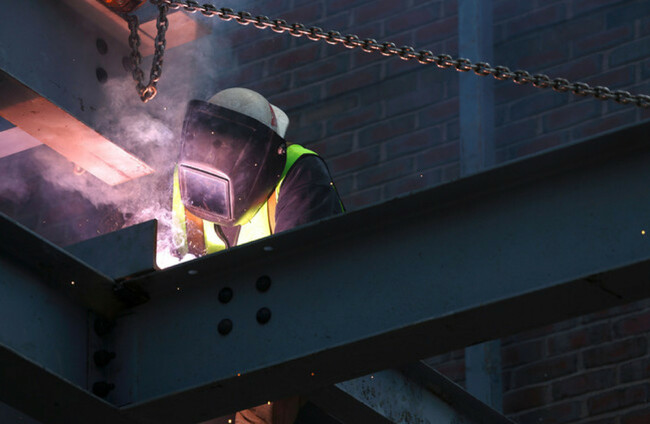
PLUMBERS, FITTERS, WELDERS and apprentices on several large-scale construction projects throughout Ireland will go on strike today in a dispute over travel allowances.
The full-day work stoppage will involve official pickets being placed on selected large construction sites where members of the Mechanical Engineering & Building Services Contractors’ Association (MEBSCA) are carrying out works.
Intel, ESB, Diageo, and Eli Lilly are among the companies to be impacted by the strikes, at construction sites across Dublin, Cork, Limerick and Kildare.
It comes after Unite trade union members voted overwhelmingly last month for industrial action in pursuit of restoration of the first hour of ‘travel time’.
Payment of the first hour of ‘travel time’ was cut as temporary measure following the 2008 financial crash.
This was due to be reviewed after a year but Unite said that workers are still waiting over a decade later.
A Unite spokesperson said the union accepted an invitation to renewed talks on 26 August. But after these talks broke down, the union served notice of industrial action on relevant mechanical employers.
Unite had added that further strike action will follow at more sites if there is not a “meaningful offer” from MEBSCA.
The Unite spokesperson also said that restoration of the first hour of ‘travel time’ would mean a “significant increase in pay for mechanical construction workers at a time of ongoing cost-of-living pressures”.
Unite general secretary Sharon Graham said: “While MEBSCA employers have seen their turnover skyrocket, workers are continuing to pay the price for a crisis that was not of their making.
“Unite members know that they have their union’s unstinting support as they fight to have this shameful cut reversed”.
MEBSCA said its members pay a travel allowance on top of pay and that they made an agreement with Unite in 2011, “which incorporated the first hour of travel into hourly rates”.
“This agreement had the effect of increasing the hourly rate which also resulted in a higher rate being paid for overtime and holidays,” MEBSCA added.

To embed this post, copy the code below on your site









have your say