Sign in. It’s quick, free and it’s up to you.
An account is an optional way to support the work we do. Find out more.
Sign in. It’s quick, free and it’s up to you.
An account is an optional way to support the work we do. Find out more.
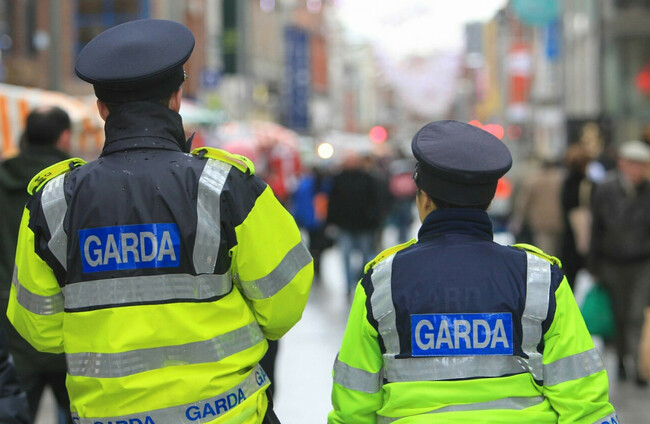
SINN FÉIN HAS come out against Government moves to restrict access to new local committees covering policing and community safety.
Sinn Féin spokesperson on Justice and Chairperson of the Oireachtas Committee on Justice, Home Affairs and Migration Matt Carthy expressed concern over the Government advising city and county councils to introduce restrictions on members of the media attending.
The Local Community Safety Partnerships (LCSPs) are currently being formed by councils nationwide and involving gardaí, state agencies and councillors.
The Government has established these new LCSPs to replace longstanding Joint Policing Committees (JPCs), at which councillors, TDs and Senators discussed local policing decisions and issues with senior and community gardaí.
In a statement this evening, Carthy called the restrictions a “backward step” for the new committees.
The Cavan-Monaghan TD said it would mean “less scrutiny” of discussions on policing and community safety and needed to be reversed.
““The Minister for Justice should rescind the advice to councils to limit media coverage and ensure that there is transparency in terms of the work of the new Local Community Safety Partnership,” Carthy added.
The Policing Authority’s 2022 guidelines on the operation of the old JPCs set out that “in general”, their meetings “should be open to the public and press upon request”, unless there were legal or confidentiality reasons not to do so.
However, recently finalised guidelines from the Department of Justice on the operation of the new LCSPs remove this presumption in favour of public and press access.
Carthy’s statement is the latest criticism of the move, coming on foot of similar by the National Union of Journalists and the Social Democrats.
When it discussed the restrictions with The Journal earlier this week, the NUJ said that there should be a presumption in favour of press access to the new committees.
The NUJ’s general secretary Seamus Dooley warned that secrecy has been a “hallmark of local government” in Ireland for many years, and that it doesn’t make sense for any new initiative to seek to restrict media access.
In his statement, Carthy also raised concern over other changes to the new LCSPs, in particular the smaller number of councillors.
“We will have to see if the newly established Local Community Safety Partnership works in terms of improving policing and community safety,” Carthy added
“The combination of these changes and the advised restriction on media coverage do not bode well in terms of democratic input and accountability.”
In a response earlier this week, the Department of Justice said it had advised that when an LCSP meeting is held in private, an agreed report should be made available and shared directly with the media.
The Department said its guidelines to councils on LCSPs were a “living document” that may be updated to “reflect new learnings”.
The Department emphasised that LCSPs, while hosted by local authorities, “are not a committee of the council”, and will bring together more people than just politicians and gardaí to identify and respond to community safety issues.
It said it was important to hold meetings in private to “allow for relations and trust to develop among members”, but that this approach “should be reviewed” as the Partnership’s work evolves.
LCSPs are legally required to hold at least one public meeting each year, which all members of the community, including the media, can attend.
The Journal’s reporting of the new Local Community Safety Partnerships is supported by the Local Democracy Reporting Scheme.

To embed this post, copy the code below on your site













have your say