Sign in. It’s quick, free and it’s up to you.
An account is an optional way to support the work we do. Find out more.
Sign in. It’s quick, free and it’s up to you.
An account is an optional way to support the work we do. Find out more.
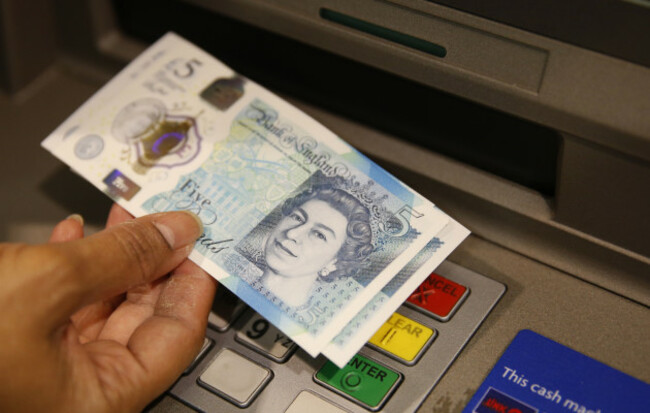
STERLING SUFFERED A dizzying “flash crash” against the euro and dollar today in a computer-generated sell-off, sending Brexit shockwaves across markets.
The pound plunged more than 6% against the dollar in under ten minutes in Asian trading hours at the end of a tumultuous week of heavy losses.
The rough week for the pound comes after Prime Minister Theresa May signalled she would trigger Britain’s departure from the European Union by the end of March.
A spokesman for the Bank of England said that it was “looking into” the cause of the flash crash — a vertiginous drop in an asset’s value that can be triggered and exacerbated by automated trading systems.
Speaking Thursday, French President Francois Hollande said the EU should take a tough line with London during exit talks to prevent the break-up of the bloc.
“The value of sterling plummeted overnight as algorithmic trading programmes apparently triggered a crash,” said XTB analyst David Cheetham.
Comments from French President Hollande (surfaced) a minute before the selling began, so it seems far more plausible that news-scanning algorithmic trading systems began a move which gathered momentum.
Cheetham added that a combination of trades placed by algorithms and stop-loss orders can “exacerbate the move.”
The pound fell off a cliff at about 2310 GMT last night to strike a 31-year low at $1.1841, before rebounding back above $1.24.
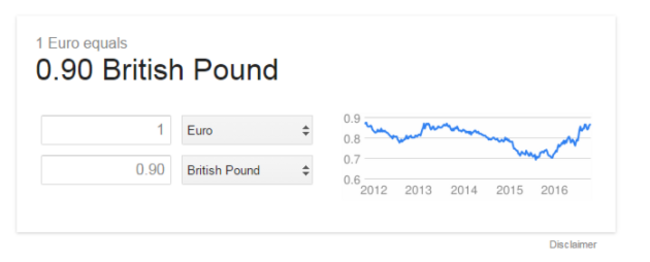
The euro also hit a 6.5-year-high at 94.15 pence.
‘Fat-fingered trader?’
“A lot of investors are still scratching their heads as to how and why it happened, whether it was a fat fingered trader in Tokyo, an algorithm scanning for any negative Brexit news, or just a big seller of the pound,” said analyst Alex Edwards at trading firm UKForex.
“Whatever it was, it shows us that the pound is looking very vulnerable right now.”
Approaching midday in London, the pound rowed back to $1.2368, while the euro stood at 89.99 pence.
The crash was the second-largest intra-day decline in the pound, bettered only by its precipitous 11 %slump on 24 June 24, when the shock Brexit result emerged.
After rebounding, the pound again fell sharply this week on fears of a so-called “hard Brexit” that would see Britain depart the single market, or tariff-free zone, and end free movement of people into the country.
© – AFP 2016 with reporting from Rónán Duffy

To embed this post, copy the code below on your site














have your say