Sign in. It’s quick, free and it’s up to you.
An account is an optional way to support the work we do. Find out more.
Sign in. It’s quick, free and it’s up to you.
An account is an optional way to support the work we do. Find out more.
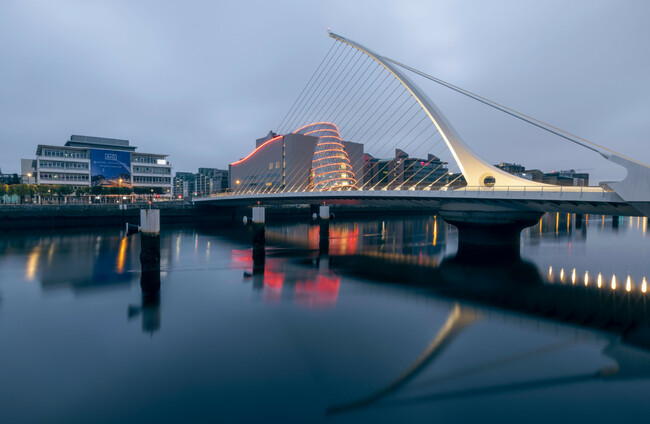

WHEN I TRAVEL from Phibsborough to O’Connell Bridge to work, I pass empty old buildings; boarded-up houses; railings in need of repair. On the horizon, I watch cranes lift up more towers of glass and steel, the kind you see everywhere.
Across Dublin, buildings are left empty while their rooms are still useful; others are demolished when they could still be adapted and given new life. It feels that our value systems today still prioritise practices of erasure and demolition over care, repair and renewal.
Yet Dublin is still living, and people remain its life support. You see, no matter what gets built, where or by whom, the true heart of Dublin is found in our collective capacity to care for each other, our communities and our capital. And, while it can feel like we have recently built Dublin to mirror our economic ambitions, Dublin is here to stay, and it is never too late to show it we care.
As people, as communities, we understand instinctively how to care. Repeated Covid-lockdowns showed just how ready and able we all are to care for each other on a local and national scale. If we know how to care for each other, can we care for cities too?
Our current planning models treat Dublin as a set of static, red-lined, commercial objects to be managed rather than a living organism to be nurtured. To ensure our capital thrives and not only survives, we urgently need a radical transformation in our civic value systems. We need a new architecture of urban care, a design philosophy that acts with spatial empathy, prioritising the long-term health and happiness of communities of place and interest over short-term financial yields.
An architecture of care could better align our development values with public health. A healthy community cannot emerge from an environment that treats well-being as a luxury commodity instead of a basic civic right. Preventative healthcare can begin with urban form and this can happen by design: ensuring that every Dubliner, north or south, has easy, walkable access to fresh food, safe public places, and both local and municipal green spaces.
This would mirror the value system outlined within the Healthy Ireland Framework. Healthy Ireland recognises that our health is fundamentally dictated by our geography, that the built environment is a key social determinant of physical and mental well-being.
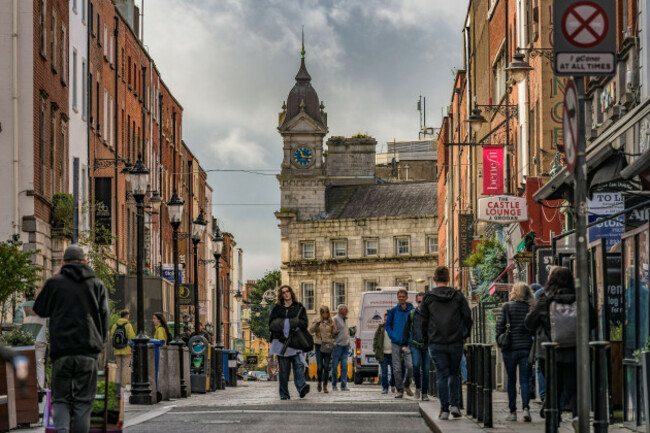
Our city’s natural assets and recent projects – the Royal Canal Way, Capel Street and walks and piers of the expansive Dublin coastline – are obvious places that give life to the capital. These great examples are acts of reset and resistance against our current hierarchy of values frequently prioritising private vehicular flow and concrete density over these open-air rooms.
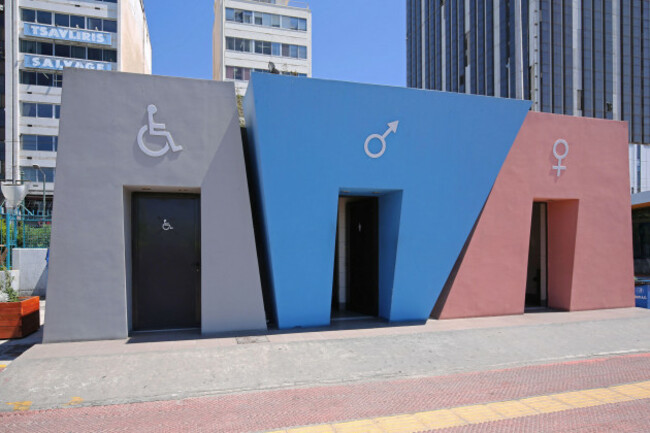
An urban care plan would also seek to redistribute spatial wealth equitably; why do we still debate the value of benches and toilets? Evidence is that these minor infrastructures make the city truly open to people at all stages of life, supporting participation in city life, lessening urban isolation and loneliness. The idea is clear: if we care for the city, it will care for us back.
This shift in our value priorities from commodification to care is not just a nice idea, it is already happening elsewhere. Care planning for cities is an evolving urban methodology yielding transformative results worldwide. There is Bogotá, Colombia, which introduced revolutionary “Care Blocks” (Manzanas del Cuidado) into its urban fabric, or in Europe, Barcelona, a city that has spent years integrating gender-inclusive urban policies and a dedicated “Care Plan” framework to guide localised design.
For example, through mapping the precise pavements, pocket parks and resting benches that intergenerational caregivers actually rely upon, Barcelona fostered a culture more focused on spatial empathy. The results in these cities are tangible: reduced citizen burnout, cleaner air and a profound reclamation of the public realm for people.
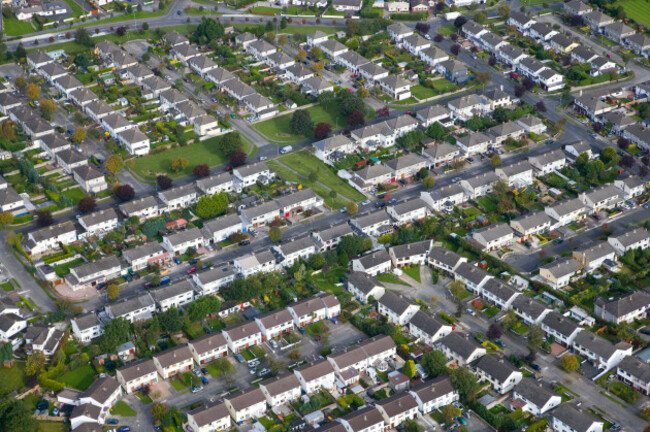
An architecture of care must fundamentally re-evaluate how we house our people. Currently, our housing discourse is dominated by a focus on numbers; how many, how quickly, how much. And while this is understandable, we must remember too that a home is not merely a unit of economic delivery or a statistical column on a spreadsheet.
When we view housing strictly through the lens of volume, we risk building cold, disconnected homes that isolate instead of include. To care for Dublin means caring about the lived reality of the people inside every room we build. We must shift our focus from merely counting houses to intentionally forming neighbourhoods where families and individuals can put down long-term roots, and where secure, stable housing is valued as the foundational bedrock of any compassionate city.
If people and communities are the life support of a living Dublin, then our emerging architecture talent surely represents part of the creative ambition and thinking required to sustain it. Ireland possesses a world-class vibrant, empathetic generation of young architects and spatial designers who are deeply passionate about the future of their capital. Yet, under the weight of a rigid public procurement system, their potential is not always fully realised.
Current public tendering frameworks frequently demand very large corporate financial turnovers and decades of exact precedent, making it difficult for smaller and emerging practices to compete. As cities such as Paris value creative innovation, offering new opportunities for younger architects, in Dublin an architecture of care requires a democratisation of who is invited to design the city.
Translating this idea of care into reality requires tangible, supportive steps toward a city that cares, and we care about in return.
We should value what we already have and what is already built. Often just limited in architecture discourse to single buildings, we might embrace adaptive reuse as the ultimate act of environmental and civic care and leadership, across the city, recognising all the great things we already have, letting Dublin become more Dublin.
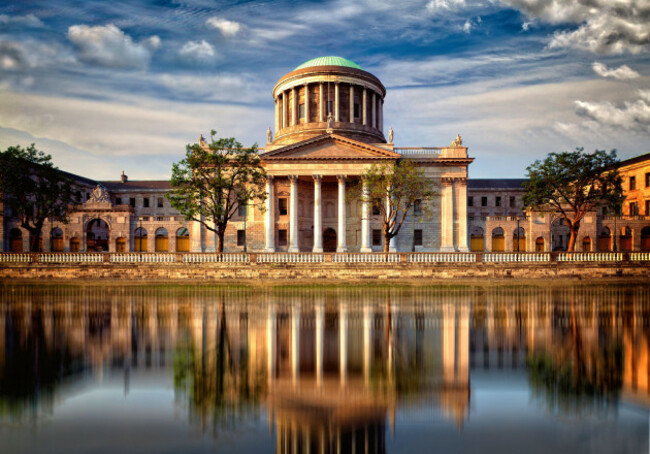
We might finally find ways to bring more of the empty upper floors above commercial retail units on places like Grafton Street and O’Connell Street, relentlessly innovating until a solution is found, to have more people living in the city.
If we accept that change takes time; care does too. We need a plan that works daily for Dublin and one which looks at what we do today for Dublin 100 years later.
We should establish regulatory “innovation labs”, producing new practices of care in people and places. These would act as places where young designers and local residents can co-create public realms and other social spaces, proving that we value immediate, collaborative civic trials, learning by doing, taking some risks, being confident it cannot all be perfect at the start.
And our planning processes need to radically pivot from box-ticking public consultations to deep, co-creative community workshops, valuing local, lived expertise as a primary data source. These conversations need to happen over and over, be events in themselves, not just when a building is already planned and when the stakes are too high to make changes. If Dublin is living, then the people who give it life must have a meaningful say in shaping its future.
Emmett Scanlon is Director of the Irish Architecture Foundation. Open House Dublin runs from 10-18 October. A “Dublin Is Living” Town Hall takes place at Wood Quay on Thursday, 15 October.
To embed this post, copy the code below on your site










have your say