We need your help now

Support from readers like you keeps The Journal open.

You are visiting us because we have something you value. Independent, unbiased news that tells the truth. Advertising revenue goes some way to support our mission, but this year it has not been enough.

If you've seen value in our reporting, please contribute what you can, so we can continue to produce accurate and meaningful journalism. For everyone who needs it.


Alamy Stock Photo

Body of Evidence Why your body starts storing fat in your 50s — and how it affects your brain

In the first of her series on health and science, Dr Catherine Conlon looks at what research says about body fat, longevity and brain health.

‘What the hell is happening to me? Is this the middle-age spread?’

ANYONE OVER A certain age may find themselves wondering why their weight has decided to just spiral as soon as they hit middle age.

The arrival of the 50s, in particular, can cause men and women to despair at the changing shape of their bodies. Curvy, youthful waistlines often disappear, jawlines droop and once svelte profiles are swapped for rounder, softer shapes that deflate the ego and cause midlife to hang like a millstone around those double chins and saggy necks.

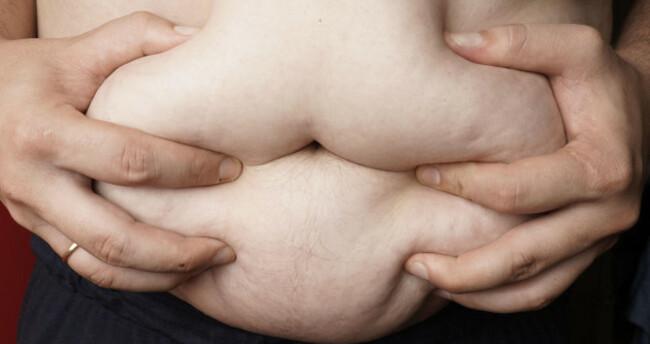
mans-hands-clutching-obese-gut-morbid-obesity-concept-need-for-diet Fat can cause long term health issues, depending on where it is. Alamy Stock Photo Alamy Stock Photo

A series of physical changes will conspire once you hit the half-century mark, leading to the accumulation of fat, causing waistlines to thicken and buttons to pop. At the same time, muscle loss of 1% per year means your body’s muscle mass can drop by almost a third before you reach 80.

The majority of these changes have nothing to do with your bad habits. It’s all part of nature’s glorious plan.

Metabolism

For much of the past century, it was assumed that many of us become heavier and more apple-shaped as we get closer to 50 because our metabolism slows down.

More recent studies have shown this long-held belief to be a myth. In 2021, a paper published in Science became known as the biggest study of human metabolism ever recorded, which included 6,000 people from infants to nonagenarians, and conclusively showed that metabolism actually stays remarkably stable between the ages of 20 and 60.

middle-aged-man-exercising-with-dumbbell-in-a-bedroom-setting-showcasing-a-fitness-lifestyle-at-home Alamy Stock Photo Alamy Stock Photo

A woman in her early 50s going through the menopause will still burn calories just as efficiently as a college student. Based on metabolism, we have little excuse for age-related weight gain until we hit 60, at which point it does begin to decline with each passing decade.

So, what does all this mean – why do we start gaining weight in our 50s?

From our early 30s onwards, the body loses muscle at the rate of 3 to 8% per decade, which means that with less muscle, a greater percentage of body weight is fat.

Hormonal changes also cause fat to collect in your abdomen, surrounding your organs, where it becomes what is known as visceral fat. For women, the precipitous drop in oestrogen during menopause is a key factor in the generation of a new body shape.

Almost three out of four (70%) of women gain weight during menopause, gaining on average about 1.5 pounds per year through their 50s.

senior-woman-exercising-with-weights-in-gym Alamy Stock Photo Alamy Stock Photo

By the time women are post-menopausal, visceral fat has more than doubled from a range of 5 to 8% to about 15 to 20% of total body fat. If that wasn’t bad enough, not only do we lose muscle, but muscle tone softens and becomes laxer with excess fat carried in the neck, causing predictable double chins and softer Churchillesque profiles.

Fat: The good and the bad

The combination of this fat accumulation and muscle loss as we age increases the risk of obesity and health-related complications. The ones we all know about – high blood pressure, cholesterol and high blood sugar – are all compounded by creaking joints that inevitably lead to increasing fondness for slippers, sprawling on the couch and increasingly sedentary lives.

The combination of raised biological markers with low levels of physical activity increases the risk of chronic disease, including cardiovascular disease, stroke, type 2 diabetes and dementia.

But fat sometimes gets a bad name, and not all of it is bad. Think of fat as an organ like the heart or liver. In this case, fat releases hormones involved in controlling our blood pressure, the ability of insulin to respond to blood sugar (insulin sensitivity), as well as blood clotting, sexual function, appetite, satiety and body temperature.

Fat tissue also contains active immune cells and releases both pro- and anti-inflammatory signals that control our immune response to infection and other inflammatory triggers.

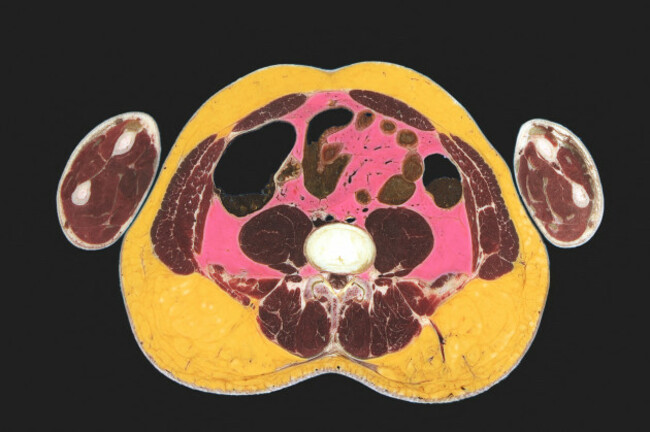
cross-section-of-obese-human-showing-excess-fat Human body abdominal slice showing a large amount of subcutaneous and intra abdominal visceral fat. Alamy Stock Photo Alamy Stock Photo

It is visceral fat that is of greatest concern. This is the fat that is often ‘hidden’. It is ‘active’ fat that wraps around your organs and sits deep inside the body. It’s not always visible, and some might be surprised to hear that ‘skinny’ people can also have visceral fat. These fat cells are the most damaging because they are extremely active, communicating with and hijacking other bodily processes.

They also release a continuous stream of inflammatory proteins and hormones in the bloodstream, toxic messengers that are associated with damage to the heart and even brain shrinkage.

What is the relationship between diet, obesity and dementia?

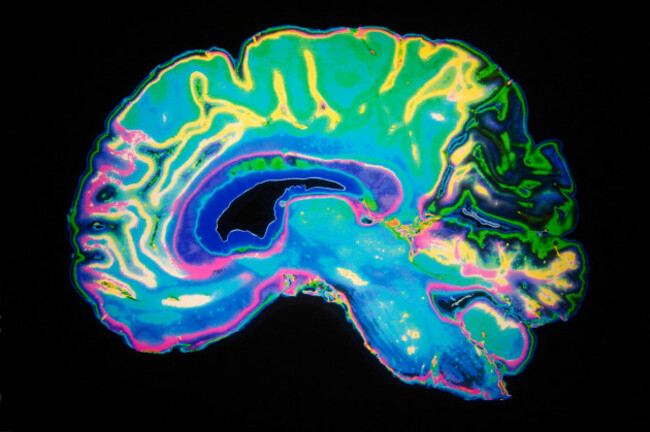
Science is unequivocal when it comes to fat and its links to long-term ill health. For instance, our brains are particularly vulnerable to fluctuating body weight. Vascular dementia is caused by damage to the arteries of the brain, and this damage is caused by the same factors that cause cardiovascular disease. More recent evidence points to excessive visceral fat being associated with higher levels of abnormal proteins in the brain that are hallmarks of Alzheimer’s disease.

Though many in modern society, out of a need to look good, watch their weight like a hawk, the evidence suggests that monitoring weight, waist circumference and BMI is as important as monitoring blood pressure, blood sugar and cholesterol. If it spirals, the health risks can also climb.

artificially-coloured-mri-scan-of-human-brain-image-shot-2009-exact-date-unknown Coloured brain scan. Alamy Stock Photo Alamy Stock Photo

The good news is that multiple clinical studies have found that visceral fat can be lost quickly through a combination of regular exercise, dietary adjustments and lifestyle changes. I know, I know, would that it were that easy. If it were, we’d all manage it. Health, particularly when it comes to weight, appetite and cravings, is rarely straightforward. It’s messy, layered and often far more complex than the neat formulas we’re given.

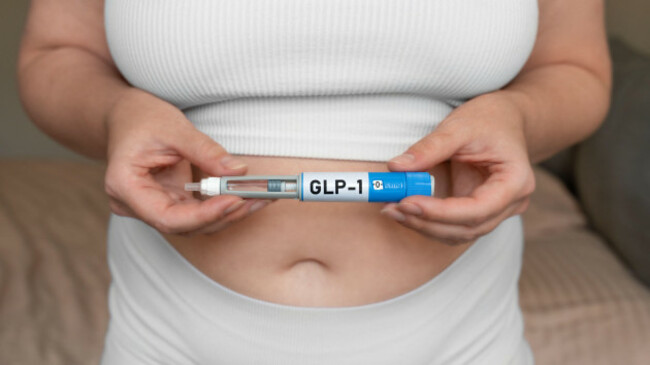
Biology runs on signals that evolved over millions of years – modern life has changed all that. With the new GLP-1 medications coming on stream and improving all the time, like Ozempic, Wegovy and Mounjaro, we are looking at the possibility of an exciting new phase for tackling obesity.

glp-1-injection-pen-in-female-hands-near-abdomen-weight-loss-and-diabetes-treatment-concept The research is growing around the best usages for GLP-1 drugs and their impact on general health and longevity. Alamy Stock Photo Alamy Stock Photo

Many patients are reporting huge benefits when taking these drugs, and the research around benefits in terms of GLP-1s’ use, long-term health and longevity is promising. So much is being learned as time goes on, and the technology around this science is likely to improve greatly in the coming years.

It’s an exciting scientific breakthrough, but it must be noted that these medications are not for everyone, should not be abused, and are certainly not a ‘catch-all’ answer to the obesity problem.

What can I do to help my brain health?

While we wait for the science to catch up, what can we do to reduce our expanding waistlines as we hit 50 and delay the onset of cardiovascular disease and dementia?

Most health advice focuses on diet or supplements, but biology runs on signals that evolved over millions of years – light, darkness, movement, hunger, temperature, nature and connections.

These signals regulate the body’s multiple systems in seamless synchronicity on their own – metabolism, hormones, immunity, brain chemistry, cellular repair – all of which keep body engines ticking over in good working order.

For most of history, these signals worked automatically. Sunrise started the day. Darkness triggered sleep. Movement was unavoidable. Food was scarce, and hunger normal. Humans lived most of their lives outdoors.

Physiology evolved to anticipate these signals, but modern life changed all that as the environment changed much faster than the body could adapt.

progression-of-man-mankind-from-ancient-to-modern Alamy Stock Photo Alamy Stock Photo

We go to bed long after dark and stare at screens. We eat food high in sugar, fat and additives that our body does not know how to deal with. We replace movement with sedentary work. Temperatures have become constant, and for many, nature has all but disappeared. Regular face-to-face friendships have been replaced with online or even virtual connections.

When the signals disappear, inevitably, the biology begins to drift. Metabolism loses its seamless sensitivity. Hormones fall out of rhythm. Diseases appear – cardiovascular, stroke, diabetes and dementia.

Health is rarely about adding more complex interventions and treatments. It is about restoring the signals that the body is uniquely built to receive. Morning light, darkness, muscle loading. Real food. Periods of hunger. Real time with real people. Lots of exposure to outdoors and nature.

In truth, the old answers are the best. Rebalance your diet. Move more. Train, preferably with weights. It doesn’t have to be a Hyrox world championship; start small, lift light, lift a tin of beans, but do something. Use all the free classes online.

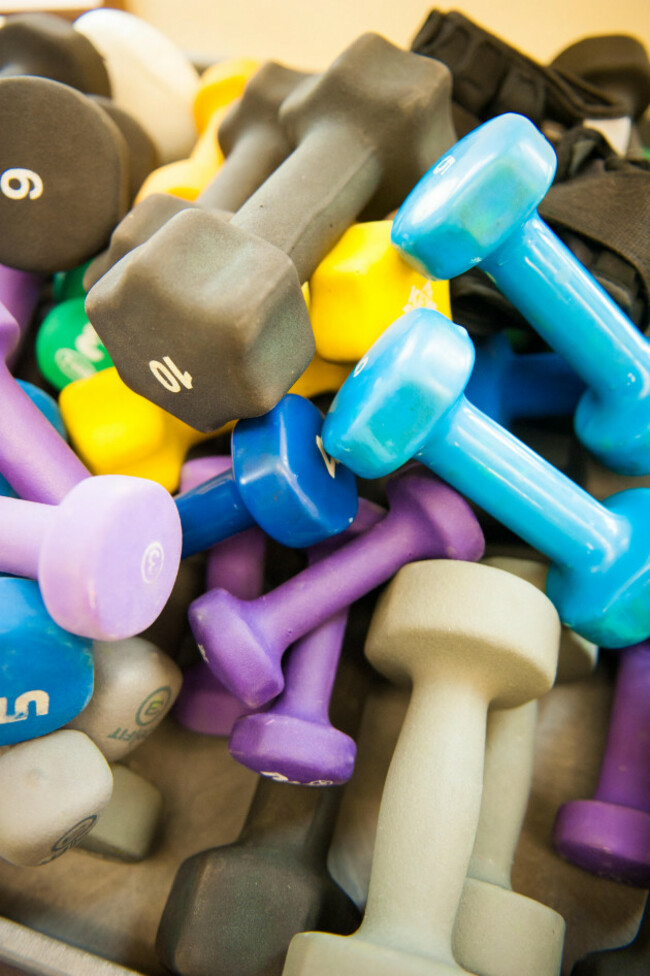
stack-of-small-gym-weights Move, lift weights, lift anything. Start small, but move. Alamy Stock Photo Alamy Stock Photo

Quality food builds biological health by increasing cellular repair, more energy and hormone production, while damping down inflammatory markers and building immunity. And the reason goes deeper than digestion. The gut is home to trillions of microbes. The magic Microbiome. The good ones that protect your brain from inflammation can only survive if you feed them fibre.

Restore that microbiome balance with more whole foods, plenty of protein and fibre, and much less ultra-processed foods. In terms of diet and brain health, fibre is key. New research from the American Academy of Neurology found that people with the highest fibre intake had less than half (54%) as many cases of dementia.

In practice, this means fewer chocolate digestives, pastries, supermarket meal deals, red and processed meats, sugary lattes and alcohol; and replacing them with vegetables, fruits, nuts, seeds, fish, beans, peas and tea.

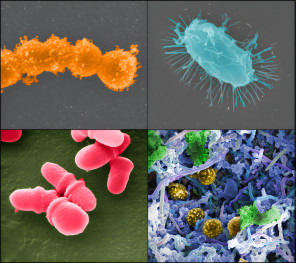
the-human-microbiome-project-which-was-launched-by-the-nih-in-2007-provided-the-first-insight-into-the-microbial-life-of-healthy-humans-and-explores-possible-relationships-between-particular-human-dThe Human Microbiome Project, which was launched by the National Institutes of Health in 2007, provided the first insight into the microbial life of healthy human.Source: Alamy Stock Photo



I know it's hard, I know it's tough. Modern life is beyond busy. We are all human; we all bring our own emotions, habits, judgements and conditioning around food. No one is built the same. Not one of us. But this is not about fitting into those summer jeans; it's about your long-term health, and tiny changes to your daily movement and diet can help; you'll see some benefits. It's a start.  

One small change...

As we reach our 50s, biology and environment conspire to make many of us heavier than we ever were in our lives. Most of us are not happy about that.

But taking bold and sometimes just small consistent steps can make a difference to your waistline, your physical health and your brain health – for many decades to come.

If our body runs on signals, today can be the first day that you signal to it and to yourself that a change is coming. Your body is infinitely wise, and it will thank you in the long run. 

Dr Catherine Conlon is a public health doctor in Cork.

Readers like you are keeping these stories free for everyone...
A mix of advertising and supporting contributions helps keep paywalls away from valuable information like this article. Over 5,000 readers like you have already stepped up and support us with a monthly payment or a once-off donation.

Close
12 Comments
This is YOUR comments community. Stay civil, stay constructive, stay on topic. Please familiarise yourself with our comments policy here before taking part.
Leave a Comment
    Submit a report
    Please help us understand how this comment violates our community guidelines.
    Thank you for the feedback
    Your feedback has been sent to our team for review.

    Leave a commentcancel

     
    JournalTv
    News in 60 seconds