Sign in. It’s quick, free and it’s up to you.
An account is an optional way to support the work we do. Find out more.
Sign in. It’s quick, free and it’s up to you.
An account is an optional way to support the work we do. Find out more.
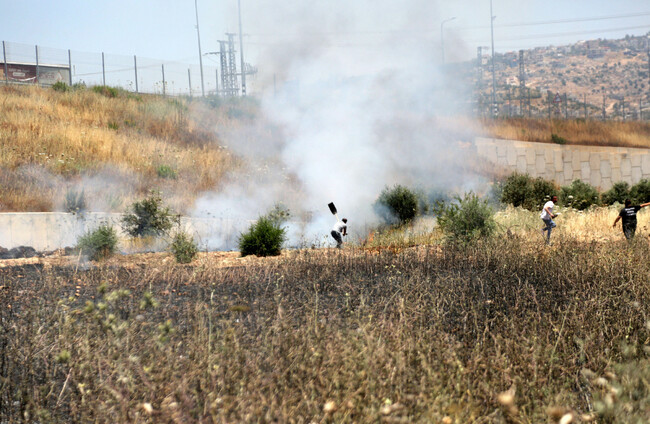

LAST UPDATE | 9 Jun
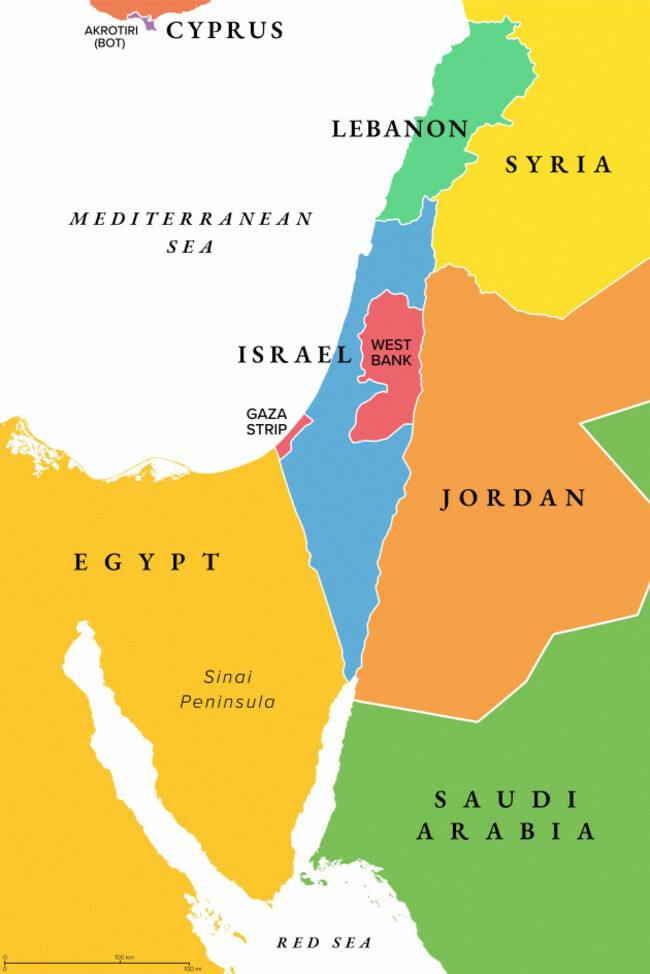
ON 7 JUNE, the Guardian newspaper reported that the UK government, alongside a group of western allies, were preparing a package of sanctions against Israel in an effort to ‘deter companies from becoming involved in a proposed West Bank settlement that would split the territory in two and render the concept of a two-state solution near impossible’.
Last year, international news agencies reported that Israel’s widely condemned ‘E1 master plan’ was in train, while in May of this year, Mondoweiss reported that Netanyahu’s government was just moments away from realising the plan.
The aim of the expansionist project – one that has been decades in the making – is to vastly expand the already sprawling (and illegal under international law, according to the global community) settlement of Maale Adumimm, to create a continuous corridor between the remaining illegal settlements in the occupied West Bank and occupied Jerusalem.
The ultimate outcome would put paid to the illusory notion of a future two-states, with the E1 plan effectively cutting the occupied West Bank into two.
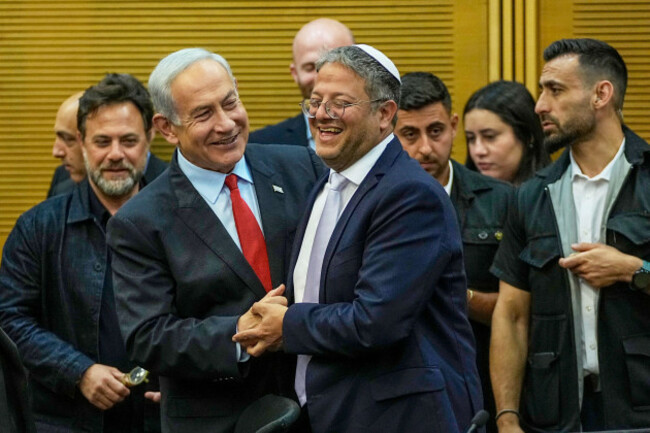
Since the creation of the E1 project, the Israeli government has been waging a relentless campaign against Palestine’s indigenous and nomadic Bedouin communities, those who live on the land slated for ‘development’.
Plan No. 1627/7, also known as the ‘Shami neighbourhood’ project, seeks to force Palestine’s Bedouin communities from the land into permanent accommodation that would destroy their nomadic, indigenous practices.
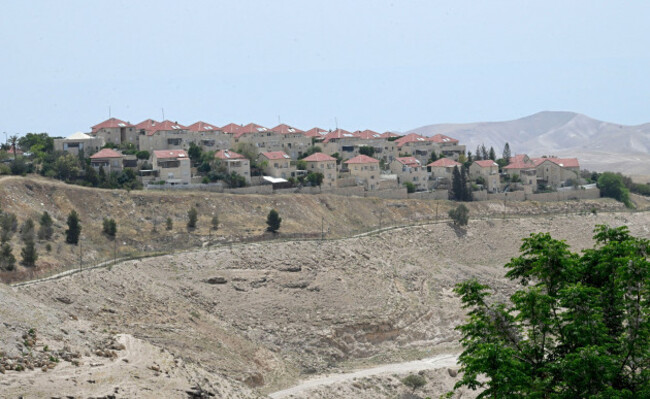
The Bedouin community’s experience of the threat of violent forced displacement, daily harassment from illegal Israeli settlers, and constant experience of resource scarcity, has been largely absent from mainstream understanding on what has been termed (unhelpfully) the ‘conflict’ in Israel-Palestine.
As a return to war between Iran and Israel looms, following Israel’s continuous breaches of an alleged ‘ceasefire’ in Lebanon, this important declaration of sanctions by the UK government that could force a halt to this settlement expansion project is at risk of becoming lost amidst long range missile strikes and looming global economic collapse.
Once again, the Palestinian Bedouin communities are at risk of being forgotten.
In seeking to shine more light on the plight of the Bedouin communities under threat from the E1 plan, since 2021, a group of legal researchers across a number of Universities in Ireland, the UK and Palestine have been involved in documenting the humanitarian impact of this settlement expansion and the resultant threat of forcible transfer.
Extensive desk and field research has revealed the far-reaching impact of the E1 plan. Local and International Human Rights NGOs, including ARIJ, NRC, OCHA, Amnesty, have all spotlighted the impact of Israel’s planned expansion, and have extensively documented the repeated house and structure demolitions, land confiscation, the physical destruction and confiscation of objects and the relentless scourge of settler violence.

The research has found that repeated demolitions and the imposition of demolition orders against residential and essential community structures (including washing facilities, power generators, animal pens, etc) contribute to the creation of a coercive environment, one which significantly impacts the Palestinian Bedouin communities’ pastoral way of life.
Findings from the research have been disseminated widely, including by way of an edited volume that captures the impact of repeated violations of international humanitarian law on Palestine’s Bedouin community, and a subsequent legal submission to the Office of the Prosecutor of the International Criminal Court.
The lives of the communities impacted were captured in an award-winning documentary, ‘We Will Remain’, ensuring that the Bedouin story was known and understood globally, challenging the silence, in an effort to ensure their nomadic way of life endures.
For too long, the plight of Palestine’s Bedouin communities has been treated as a humanitarian issue. Rather than address the legal and political implications of Israel’s relentless breaches of international law manifest through its expansionist ambitions, the international community has turned to development aid as a sticking plaster on a seeping colonial wound.
International aid organisations have funded temporary medical facilities, schools, water facilities in an effort to support the Bedouin communities’ agrarian way of life.
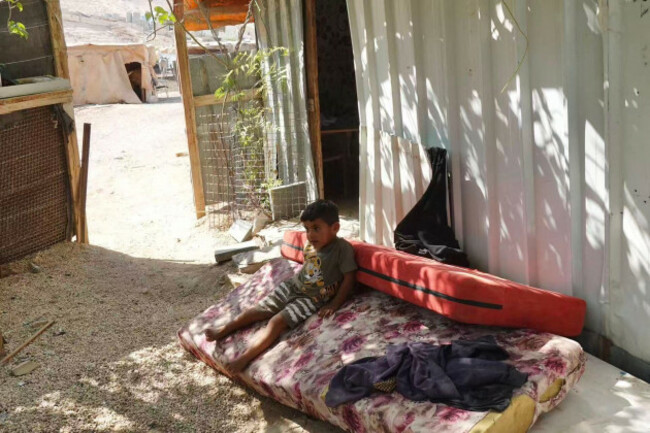
Yet, whilst humanitarian aid may provide temporary respite and momentarily improve the material conditions of those Bedouin communities affected, what is needed is proper global intervention to challenge Israeli intransigence.
Such intervention is not without precedent. In 2018, then ICC prosecutor issued a strong rebuke against the planned forcible transfer of the Bedouin community of Khan al-Ahmar. The comments were enough at the time to prevent the forced expulsion, but in 2026, with the integrity of international criminal law significantly undermined, the future of Palestine’s Bedouin communities is unquestionably more perilous than ever before.
If international law is to retain any shred of credibility, the global community must ensure that the proposed sanctions come into force, as the bare minimum required to ensure that Palestine’s Bedouin communities are afforded the requisite protection required to remain on their ancestral lands.
Dr Brendan Ciarán Browne is Associate Professor and Fellow of Trinity College Dublin. Bana Abu Zuluf is a PhD researcher in Law and Criminology at Maynooth University.
To embed this post, copy the code below on your site

















have your say