Sign in. It’s quick, free and it’s up to you.
An account is an optional way to support the work we do. Find out more.
Sign in. It’s quick, free and it’s up to you.
An account is an optional way to support the work we do. Find out more.
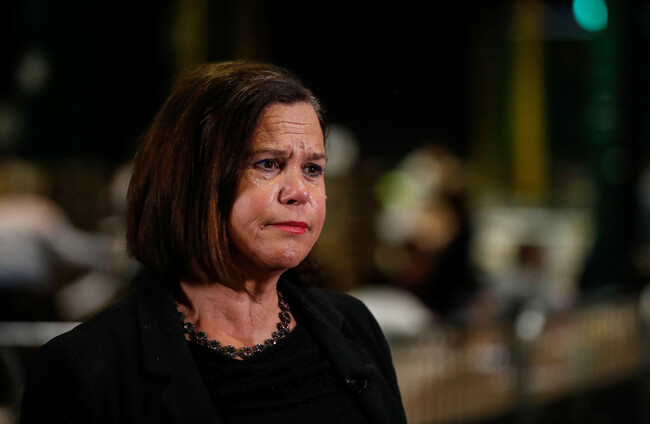
RTÉ HAS SAID deepfake videos made by Artificial Intelligence are a “growing challenge for trusted news organisations in the modern media environment”.
It comes after Facebook deleted a scam advert which manipulated video footage of Sinn Féin leader Mary Lou McDonald.
Facebook ads are paid content that appear on Facebook apps and related services such as Instagram and Messenger.
The video footage was turned into a deepfake which falsely appeared to show McDonald talking on RTÉ about a “successful project” which prominent Irish celebrities had used to “multiply their assets”.
Deepfakes are digitally manipulated images, video and audio that are designed to create fake material featuring the likeness of an individual, often to misrepresent their views or speech.
“These people are successfully improving their wealth,” says McDonald in the AI manipulated video of the likes of Pierce Brosnan, Aidan Gillen and Ryan Tubridy.
The fake video also features an RTÉ News watermark and a fake RTÉ News chyron.
Fake ads using Irish politicians have become more sophisticated.
— Ciarán O'Connor (@ciaranoconnor) August 26, 2024
A manipulated video of Mary Lou McDonald currently available on Facebook features her promoting some financial investment scheme. The video also includes fake RTÉ footage. Probably made using AI pic.twitter.com/1wQX0yXQE4
The deepfake video uses footage from an actual 2020 interview McDonald gave to RTÉ and manipulated it to promote a fake financial scam.
An RTÉ spokesperson said RTÉ News takes the issue “seriously” and that in the event of being informed of such manipulations, RTÉ has the “option to pursue the matter with the platforms involved in an effort to have the material removed”.
The spokesperson added that RTÉ intends to also raise the issue with Ireland’s online and broadcast media regulator Comisúin na Meán “given the regulatory focus on the removal of illegal content”.
Meanwhile, Facebook’s parent company Meta confirmed to The Journal that the deepfake of McDonald was removed from its platform last week.
The Meta spokesperson said it removes content that violates its policies, whether it was created by AI or a person.
The spokesperson remarked that its advertisement review process includes both automated and human reviews.
“We have several layers of analysis and detection, both before and after an ad goes live,” said the Meta spokesperson.
They added: “It is against our policies to run ads that improperly use images of public or political figures for deceptive purposes, and we remove these ads when detected.”
Meta has previously acknowledged that reviewing ads from millions of advertisers globally is “not without challenges”.
“Our enforcement isn’t perfect, and both machines and people make mistakes,” said Facebook’s vice president of Business Integrity Jeff King in a 2021 statement on the social media platforms ad review process.
While an advert is typically reviewed within 24 hours, it may take longer in some cases.
Meanwhile, Meta said it has created additional detection models for so-called “celeb-bait” which uses manipulated footage of public figures.
Meta said these detection models “automatically incorporate what we have learned about the changing tactics used in ads to help us improve”.
Meta also noted that it “encourage users to report suspected scam ads to us so we can investigate and take appropriate action”.
Sinn Féin has been approached for comment on the now-deleted video.

To embed this post, copy the code below on your site














have your say