Sign in. It’s quick, free and it’s up to you.
An account is an optional way to support the work we do. Find out more.
Sign in. It’s quick, free and it’s up to you.
An account is an optional way to support the work we do. Find out more.
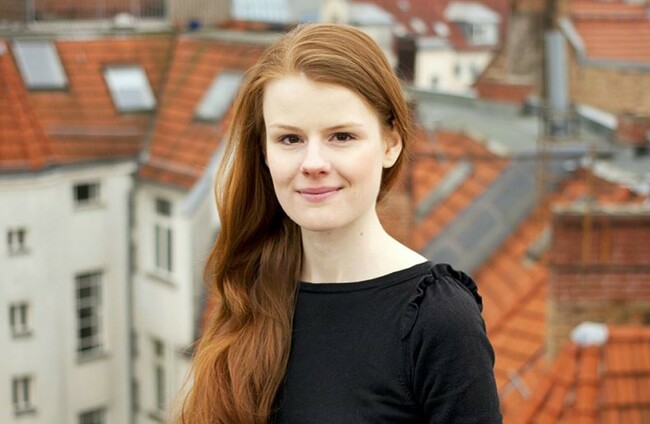
A MEMBER OF German Chancellor Angela Merkel’s conservative party has received support after she spoke out about vulgar and belittling comments she had been subjected to from another party member.
Christian Democratic Union (CDU) politician Jenna Behrends made national headlines last week when she spoke out against gender discrimination within the party, saying that a member of the Berlin city-state’s government had called her a “big sweet mouse” in front of a group of people.
She said the same official asked another member of the party, using offensive language, whether he was having a sexual relationship with Behrends.
She told Bild that she had received “a lot of positive feedback” for coming forward.
The BBC reports that she said she had received ”party-wide solidarity” since she published an open letter in the Edition F website on Friday.
Peter Tauber, general secretary of the CDU, told the Bild am Sonntag newspaper on Sunday that remarks made public by Berlin Jenn Behrends were not an isolated incident.
“I hear about stories like these again and again, but without names. That makes it hard to do anything about it,” Tauber said.
We need a new sensitivity in all areas of society because sexism is not just a problem in politics.
Behrends hit out at the CDU’s Women’s Union for “shutting itself off” and addressing her complaint “internally”.
Behrends said that some of the CDU women members had painted as ”hungry for promotion” and “ambitious to get elected to chair the Women’s Union herself”.
The Women’s Union leader was quoted as saying Behrends was intimate with Bauer.
German news website Der Spiegel quoted Tauber as saying they had flirted before but decided to stay friends.
Shattering conventions
Merkel shattered party conventions when she, as a childless, Protestant woman from the former communist East, became CDU leader in 2000 following a long line of Roman Catholic family men from the west.
The chancellor, who has led Germany since 2005, on Sunday criticised German industry for failing to root out gender inequality on its own, in an interview with business magazine Wirtschaftswoche.
Citing the example of a quota introduced this year requiring Germany’s biggest companies to fill at least 30 percent of their supervisory board seats with women, Merkel lamented that executives in Europe’s top economy had to be forced into fair treatment.
“It is pathetic that in more than 65 years of the federal republic of Germany, it was not possible for the Dax-30 companies to get a few more women on supervisory boards on a voluntary basis,” she said, noting she had long opposed statutory quotas.
“But at some point there had been so many hollow promises that it was clear — this isn’t working.”
Merkel is expected decide by the end of the year whether she will run for a fourth term as chancellor in the 2017 general election.
- © AFP, 2016 with reporting from Cormac Fitzgerald

To embed this post, copy the code below on your site











have your say