We need your help now

Support from readers like you keeps The Journal open.

You are visiting us because we have something you value. Independent, unbiased news that tells the truth. Advertising revenue goes some way to support our mission, but this year it has not been enough.

If you've seen value in our reporting, please contribute what you can, so we can continue to produce accurate and meaningful journalism. For everyone who needs it.

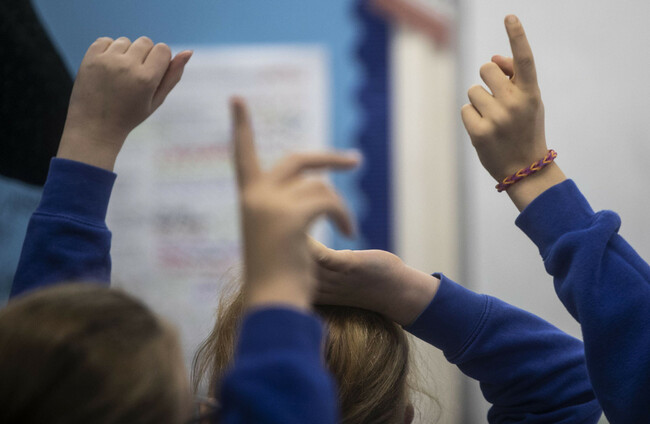
Sexual consent education in schools was rated unsatisfactory by 70% of young autistic adults engaged with by researchers. Alamy Stock Photo

'Significant' gaps in sexual consent education for autistic people in Ireland, report finds

Some 40% of autistic participants said they had found themselves confused before about whether they or their partner were consenting to sexual activity.

THERE ARE “SIGNIFICANT” gaps in sexual consent education for young autistic adults and autistic children in Ireland, a new report has found. 

The report, commissioned by Dublin’s Rape Crisis Centre and autism charity AsIAm, was carried out by researchers at the Royal College of Surgeons Ireland (RCSI). It gathered its data through surveys and focus groups of autistic young adults and children, as well as their parents.

It is the first extensive report of its kind in Ireland.

Among its key findings was that those surveyed felt sexual consent education in schools was not accessible to autistic people.

For many parents of autistic young adults or children, they felt the onus was on them to teach their child about sexual consent, but many parents felt they were not adequately equipped to do so.

Sexual consent education in schools was rated unsatisfactory by 70% of young autistic adults engaged with by researchers, while 73% said they needed more processing time to express boundaries. It was also noted that sexual education focused on reproduction with an inadequate amount of time dedicated to consent.

The young adults expressed a strong preference for “explicit, mixed communication formats and inclusive resources”.

Parents, meanwhile, expressed the need for “practical, visual, and community-informed materials”.

Evidence shows that autistic people face higher risks of sexual exploitation, assault, and abuse compared to their non-autistic peers. Of the young people surveyed in this study, 90% were aware that consent can be withdrawn at any time during an encounter, but 65% reported continuing “unwanted sexual activity due to guilt or obligation”.

Some 40% of autistic participants said they had found themselves confused before about whether they or their partner were consenting to sexual activity.

The report contained a number of responses from those surveyed in this instance, with people mentioning confusion arising after they or their partner had consumed alcohol or struggling to read non-verbal cues.

Based off its findings, the report’s authors recommended the government and stakeholders create accessible, autism-specific consent education; train educators, professionals, and parents; and improve supports.

Founder amd CEO of AsIAm, Adam Harris, said the report highlights the need for action on “ensuring Autistic people’s rights under the UNCRPD are upheld and protected.

“Article 21 of the UNCRPD highlights the importance of having access to accessible information on an equal basis with other.

“The findings demonstrate the need for information and resources around consent and relationships and sexuality to be provided in direct, accessible formats which recognise the individual diversity within the Autistic community.”

The full report can be viewed here.

Readers like you are keeping these stories free for everyone...
A mix of advertising and supporting contributions helps keep paywalls away from valuable information like this article. Over 5,000 readers like you have already stepped up and support us with a monthly payment or a once-off donation.

Close
JournalTv
News in 60 seconds