Sign in. It’s quick, free and it’s up to you.
An account is an optional way to support the work we do. Find out more.
Sign in. It’s quick, free and it’s up to you.
An account is an optional way to support the work we do. Find out more.
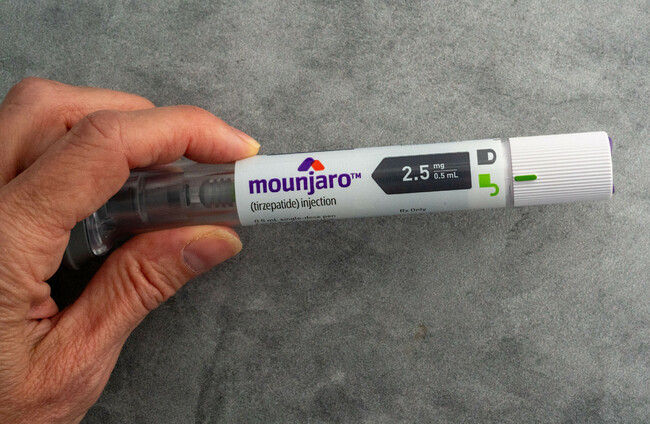
THE AGENCY RESPONSIBLE for evaluating drug treatments in Ireland has said that a “significant price reduction” is expected for weight-loss medicine Mounjaro.
Manufacturer Eli Lilly has offered a price reduction that may mean the medicine will be deemed cost-effective, according to Michael Barry of the National Centre for Pharmacoeconomics (NCPE).
Speaking to The Journal, a spokesperson for Eli Lilly said: “Lilly is working with the Health Service Executive (HSE) to explore solutions that enable patient access in Ireland.”
In March, Health Minister Jennifer Carroll MacNeill pointed to overspend concerns when asked if the State could fund weight-loss drugs.
Last year, the NCPE advised that the cost of reimbursing Mounjaro, a once-weekly weight-loss injection, would “not be value for money”. It estimated that the cost of adding Mounjaro to the HSE reimbursement scheme could reach €5.2 billion over the course of five years.
Speaking on RTÉ’s This Week, on Sunday, Barry said: “My understanding is that a significant price reduction has been offered. I suspect we will be saying that the drug is cost-effective or very close to it.”
He said exact figures have not yet been seen, but the medication could still cost the state between €2-3 billion over the course of five years.
Speaking to RTÉ’s Morning Ireland, obesity specialist Donal O’Shea said: “I did not see this coming”.
“The cost is huge, but the effectiveness is also incredibly positive,” he said.
“It’s a big moment, and it’s come sooner than I was thinking, and it’s a big decision for the Department of Health.”
O’Shea said the medication, if used in the right way, treats obesity, which will then reduce illnesses associated with obesity, including type two diabetes, cardiovascular disease and cancer.
“This drug has the potential to transform the health profile of this country,” he said.
“The challenge is, you never see saved money, so you have to invest to get the benefits, and that’s a cost, and you don’t accrue the benefits in a financially visible way.”
A spokesperson for the Department of Health that “the HSE is committed to providing access to as many medicines as possible, in as timely a fashion as possible, from the resources available (provided) to it”.
“The HSE robustly assesses applications for pricing and reimbursement to make sure that it can stretch available resources as far as possible and to deliver the best value in relation to each medicine and ultimately more medicines to Irish citizens and patients,” they said.
“HSE decisions on which medicines are reimbursed by the taxpayer are made on objective, scientific and economic grounds. There are formal processes which govern applications for the pricing and reimbursement of medicines, and new uses of existing medicines, to be funded and / or reimbursed.”
The spokesperson said that in January 2024, Eli Lilly submitted an application to the HSE for pricing and reimbursement of Mounjaro for adults with type 2 diabetes and separately for weight management in adults with obesity or overweight with at least one weight-related condition.
These were then reviewed by the NCPE, and a full health technology assessment was commissioned to evaluate clinical and cost-effectiveness. The NCPE reports have both been submitted with a recommendation to the HSE.
“Once commercial negotiations are completed, the next steps in the process involve the HSE’s Drugs Group,” the spokesperson said.
“The HSE’s Drugs Group will consider all evidence, including outputs of commercial negotiations and recommendations of the NCPE, and issue a recommendation to the HSE Senior Leadership Team, which holds final decision-making authority on the reimbursement of a medicine.”
“These applications remains under consideration with the HSE.”
To embed this post, copy the code below on your site













have your say