Sign in. It’s quick, free and it’s up to you.
An account is an optional way to support the work we do. Find out more.
Sign in. It’s quick, free and it’s up to you.
An account is an optional way to support the work we do. Find out more.
IT’S A DAY of rest, and you may be in the mood for a quiet corner and a comfy chair.
We’ve hand-picked some of the week’s best reads for you to savour.
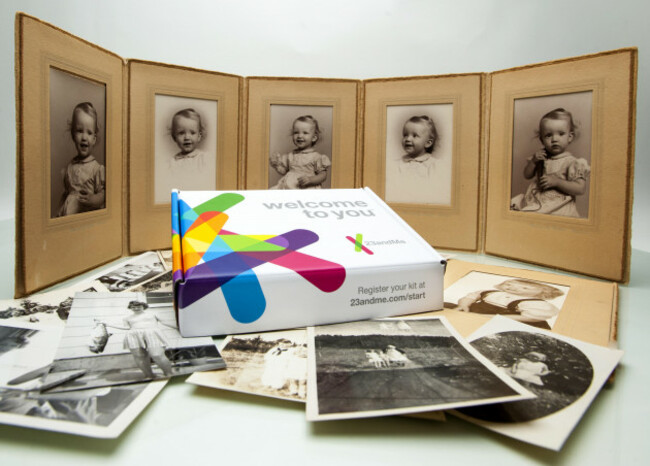
In this piece in The Atlantic, Sarah Zhang notes that at-home DNA tests reveal that “incest is more common than many think”.
Zhang writes about Steve Edsel, a man in his 40s who discovered that he is the child of two first-degree relatives: a sister and her older brother.
(The Atlantic, approx 10 mins reading time)
He could not know the exact circumstances of his conception, and his DNA test alone could not determine whether her older brother or her father was responsible. But Steve could not imagine a consensual scenario, given her age. The bespectacled 14-year-old girl who disappeared from the hospital had remained frozen in time in his mind, even as he himself grew older, got married, became a stepdad. He felt protective of that young girl.
Records and interviews show that the US government repeatedly used its influence to advance the interests of large baby formula companies, while also thwarting the efforts of Thailand and other developing countries to safeguard children’s health.
(ProPublica, approx 16 mins read time)
In 2017, Thai health experts tried to stop aggressive advertising for all formula — including that made for toddlers. Officials feared company promotions could mislead parents and even persuade mothers to forgo breastfeeding, depriving their children of the vital health benefits that come with it. At the time, Thailand’s breastfeeding rate was already among the lowest in the world.
But the $47 billion formula industry fought back, enlisting the help of a rich and powerful ally: the United States government.
In January, it was announced that Pitchfork would merge with men’s magazine GQ.
Many staff of the influential, independent-minded music publication Pitchfork were laid off and there was fear that the move would kill off the outlet.
Staff at both outlets were said to be “depressed and embarrassed” by the merger.
Slate has spoken to over 30 Pitchfork figures, both past and present, to tell the story behind the famous music outlet.
(Slate, approx 40 mins reading time)
As a publicist, you’re pitching multiple publications for a review or a story or a cover, but really, there was a massive window where if you were able to land something positive from Pitchfork, it was the most impactful. We would see immediate spikes on all of the records that were favorably reviewed, and we would see a really loud nothing on any new records that were just completely fucking decimated.
“Who the fuck are these people,” the producer wondered, “squatting in the most exclusive Zip Code in America?”
Bridget Read reports on scams connected to 1316 Beverly Grove Place in Beverly Hills, a mansion overrun by fraudsters determined to live the lifestyle of the rich and famous.
(Curbed, approx 20 mins read time)
Woodward raced over to Beverly Grove to see what he was talking about. When he got there, he found his clicker no longer opened the gate. His keys didn’t work in the front door, either. Someone had even ripped up and discarded his FOR SALE sign. When he realized he was locked out, Woodward called the police. Two beat cops showed up and went inside; when they came back out, they said the people in the mansion were claiming they had a lease. It was a civil matter now, and there was nothing they could do.
In the early days of the Covid pandemic, people were brought together by a sense of togetherness.
But while the world has largely moved on, many people are still living through its consequences.
In this essay, Lygia Navarro reflects on her life with long-Covid, becoming disabled, and being left behind.
(Switchyard, approx 20 mins read time)
During those months, I grieve all that has been taken from me: the enjoyment of my body, the friends of decades who have disappeared, my health, the chance to watch K experience a normal childhood. And I grieve for my family. Our lives are filled with indignity after indignity. My husband must wash my hair now, bring me food in bed. He is always dead tired and on the brink and we receive so little help. This fact alone leaves me aching.
The Oscars we see on the television shows table after table of A-lister celebrities, all of whom are in with a chance of glory for their big screen endeavours.
But what is the experience like for the less glamorous attendees – film crew workers, extended family, journalists.
(The Guardian, approx 7 mins read time)
As soon as you arrive at the venue, you are greeted by two separate red carpets. One of these is for the celebrity Oscars, for movie stars who are bound by convention to stop and linger in front of photographers. The other is for the normal people Oscars, for regular schmoes whom no one wants to photograph. This doesn’t mean that they don’t want to be photographed, of course. On the basis of Sunday night, the normal people are hellbent on walking the red carpet as slowly as possible, in the vain hope that they might hit the jackpot and accidentally end up in the background of a Getty Images gallery of someone recognisable.
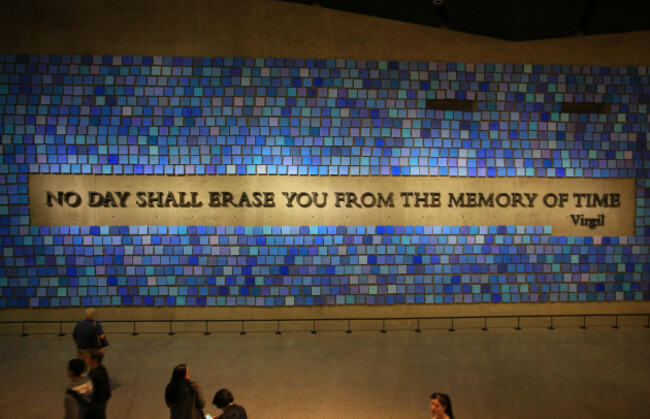
Nearly 13 years after his sister’s death in the World Trade Centre, Steve Kandell visits the 9/11 Memorial Museum in New York City.
‘The worst day of my life is now New York’s hottest tourist attraction’, reads the headline from this 2014 piece.
(BuzzFeed News, approx 8 mins read time)
I am allowed to enter the 9/11 Museum a few days before this week’s grand opening for the general public, but why would I want that? Why would I accept an invitation to a roughly $350 million, 110,000-square-foot refutation of everything we tried to practice, a gleaming monument to What Happened, not What Happened to Us? Something snapped while reading about the gift shop — I didn’t want to duck and hide, I wanted to run straight into the absurdity and horror and feel every bit of the righteous indignation and come out the other side raw. I call my mother to tell her I’m doing this but that she shouldn’t come, and she doesn’t disagree. I find the ticket booth, exhale deeply, and say the magic words.
Note: The Journal generally selects stories that are not paywalled, but some might not be accessible if you have exceeded your free article limit on the site in question.

To embed this post, copy the code below on your site









have your say