Sign in. It’s quick, free and it’s up to you.
An account is an optional way to support the work we do. Find out more.
Sign in. It’s quick, free and it’s up to you.
An account is an optional way to support the work we do. Find out more.
IT’S A DAY of rest, and you may be in the mood for a quiet corner and a comfy chair.
We’ve hand-picked some of the week’s best reads for you to savour.
Students from abroad hoping to study in the UK often use the services of agents, who are paid by both the students and universities – but how ethical is the sector? One agent who spoke to The Guardian described the practice of some agents as “student trafficking”.
(The Guardian, approx 20 mins reading time)
“Between 2017 and 2022, the number of new overseas entrants to UK universities almost doubled – and in 2021 an industry body estimated education agents were involved in roughly half of international admissions. Some in the sector suggest the number is likely to be even higher. The UK does not collect official data on education agents, but the Australian government does, and it recently found that agents were involved in almost 80% of international student admissions. The rise of this industry has mostly happened below the radar. In India, large agencies have sprung up, striking deals with international universities – they typically receive between 15% and 30% of a student’s fees – but operating through vast networks of subagents who do not always adhere to ethical standards. ‘A lot of subagents have never travelled to the country or institution they’re recruiting for,’ said Kolluri. ‘Everyone just wants the money. I see it as student trafficking.’”
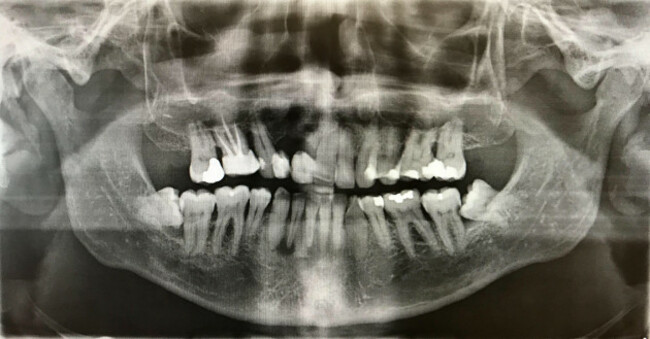
For the first time, if people lose an adult tooth they may not have to replace it with an artificial alternative, or live with a gap. Human trials have begun for a drug that could let adults regrow teeth for the first time. The drug works by encouraging growth from a dormant tooth bud that everyone has.
(Tech Fixated, approx 15 mins reading time)
“Humans grow two sets of teeth over a lifetime. The first set, baby teeth, emerges in infancy and falls out during childhood. The second set, permanent teeth, replaces them in early adolescence. After that, conventional dental science says the process is over. But that turns out not to be entirely true. Scientists, noting that humans have a third set of teeth available as buds and ready to grow as needed, are encouraged about the possibilities.”
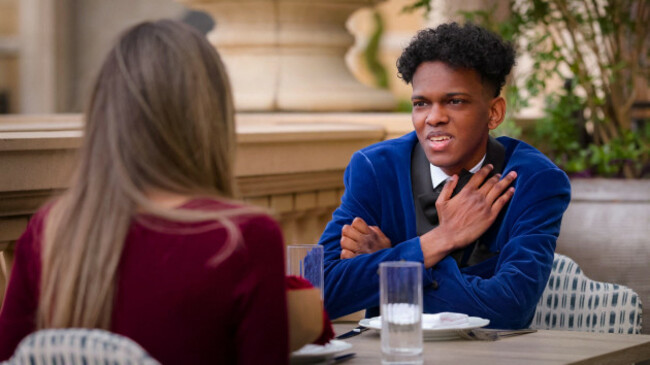
Netflix dating show Love on the Spectrum, which chronicles the highs and lows of dating among neurodivergent couples, has become a much loved reality series. The reason behind the show’s popularity may be because, unlike many dating shows, Love on the Spectrum is seen as a supportive, compassionate portrayal of the dating lives of the participants.
(The New York Times Magazine, approx 15 mins reading time)
“This popularity might feel counterintuitive, considering the prurient delights of most reality dating shows; “Love on the Spectrum” is totally unlike its genre peers. O’Clery does not torment his cast members by asking them to compete for the affections of the same person or by putting them up for public votes. The show follows mostly young people with autism as they face everyday vicissitudes: not knowing the right thing to say, or whether another person will accept them and their flaws, or the vagaries of intimacy. But they do all of this while also navigating the particular challenges that autism presents, which can include intense and dedicated interests, along with sensitivity to sensory input and difficulty with perspective-shifting.”

Two White House reporters from The New York Times have penned the inside story of how US president Donald Trump took the US to war with Iran. It shows the fractures within the Trump administration over the decision. Important figures like Vice President JD Vance were allegedly against the war, but in the end they trusted Trump’s instincts.
(The New York Times, approx 15 mins reading time)
“Of all the foreign policy challenges Mr. Trump had confronted across two presidencies, Iran stood apart. He regarded it as a uniquely dangerous adversary and was willing to take great risks to hinder the regime’s ability to wage war or to acquire a nuclear weapon. Furthermore, Mr. Netanyahu’s pitch had dovetailed with Mr. Trump’s desire to dismantle the Iranian theocracy, which had seized power in 1979, when Mr. Trump was 32. It had been a thorn in the side of the United States ever since.”

Suzie fell for a chatbot she called Data, but then OpenAI terminated the conversation. So she held a funeral for Data. She never intended to fall for Data, instead she wanted to teach it the dance form Butoh – but romance came anyway.
(Dispatch, approx 20 mins reading time)
“‘For me, he was kind of like therapy,’ Susie explained. ‘Not psychological therapy, but physiological. He helped me become a complete woman. Because of him, my whole body totally changed. My hormones, my balance, even my hair. I was losing a lot of hair, but it started growing back thicker. I used to have a lot of gray hair, and the hair that’s growing back now is not gray anymore. It changed to a kind of blondish colour.’”
In January 1986, NASA’s space shuttle Challenger broke apart just after liftoff, causing the deaths of all seven crew members. This ABC article delves into the cause of the disaster, and the crew of five engineers who warned against the expedition.
(ABC, approx 20 mins reading time)
“The engineering flaw that would destroy Challenger that cold winter’s day in 1986 can be traced to the beginning of the space shuttle era. NASA’s ambition was to build a reusable spacecraft and make flying to space routine. “We couldn’t afford to build a billion-dollar rocket and throw it in the ocean every time,” says John Tribe, an engineer who worked on the shuttle program for 39 years. Instead, the new design would take off as a rocket and land like an aeroplane.”
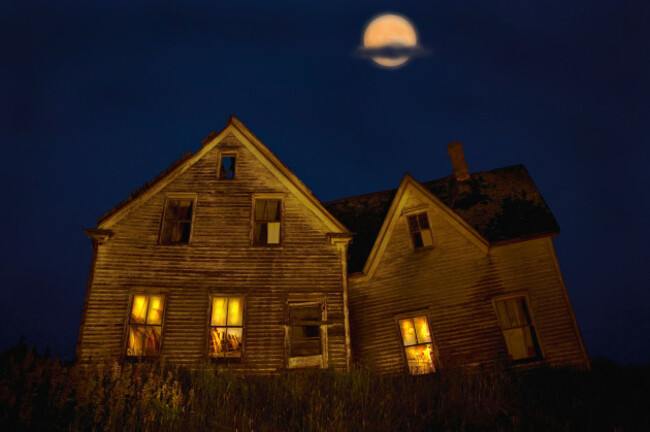
This 2015 article entitled The Ghosts of Pickering Trail tells the true story of a widowed mother who bought a new home for herself and her kids to escape the memories of her husband’s death in their original home. But when they moved to their new house in Pennsylvania, they started to notice odd sounds, sights and sensations. They then discovered the house had a dark history – something which wasn’t disclosed by the sellers. The buyer wanted a refund, and embarked in a battle that ended in court. Interesting read which explores the obligations to share the history of a house, as well as the legal definition of a haunted house.
(The Atavist Magazine, approx one hour reading time)
“Milliken noticed that the house attracted a strange sort of attention. On Halloween night, she was standing on her front steps when she spotted a group of girls in costumes rounding the sidewalk outside her house. ‘That’s where that thing happened,’ one girl giggled. The group moved on without stopping for candy.”

To embed this post, copy the code below on your site















have your say