Sign in. It’s quick, free and it’s up to you.
An account is an optional way to support the work we do. Find out more.
Sign in. It’s quick, free and it’s up to you.
An account is an optional way to support the work we do. Find out more.
IT’S A DAY of rest, and you may be in the mood for a quiet corner and a comfy chair.
We’ve hand-picked the week’s best reads for you to savour.
1. ‘I’ve become the thing I feared’
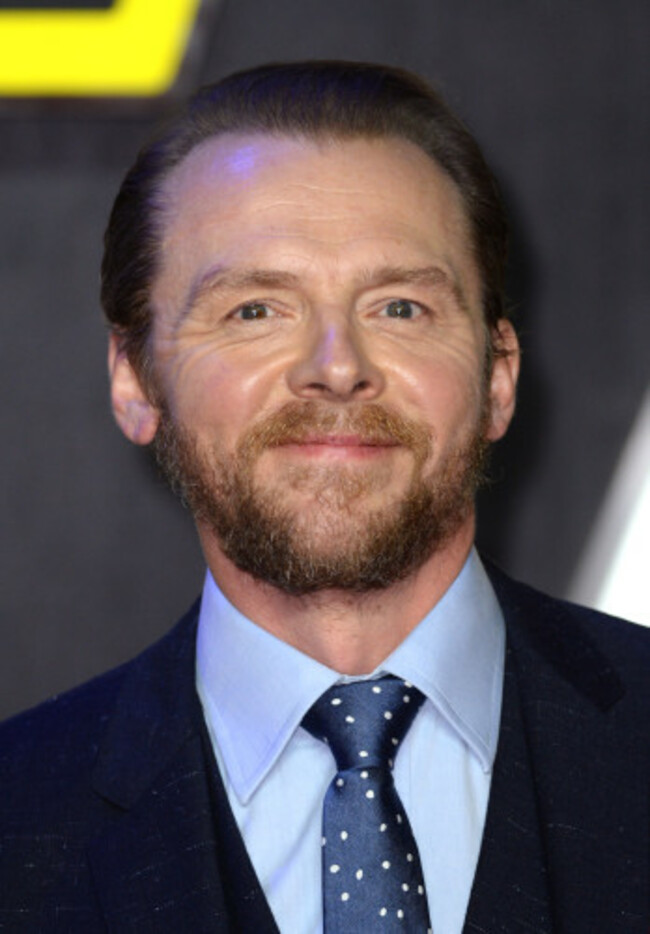
Spaced’s Simon Pegg used to think that Hollywood was beyond his grasp – so how did he end up best mates with JJ Abrams and starring next to Tom Cruise? In this interview, he talks about how his career – and life – has changed.
(The Guardian, approx 13 mins reading time)
“I had a bit of a crisis of confidence afterwards. I hadn’t had the chance to take stock, and I came home to the UK and I was pretty sure I wanted to quit acting. I called my agent and I said – this is an absolutely true story, and ridiculous if a little name-droppy – but I said: ‘Look, I want to take some time off and think about what I want to do next.’ I was being a bit dramatic. I said: ‘Don’t call me for the next six months, unless like, Steven Spielberg calls.’ Then, of course, my phone rang.”
Maurice Spagnoletti was hired to clean up Doral Bank in Puerto Rico – but before he could finish his work, he was killed in 2011. Did he discover something dodgy?
(Business Week, approx 23 mins reading time)
Another car pulled up alongside his. Someone fired at least nine shots from a .40-caliber handgun, shattering his windows, and four bullets hit him in the head. Spagnoletti’s momentum sent his car veering off the highway, and it came to a stop in a thicket of tropical brush. The police arrived, and at 7:21 p.m. they pronounced him dead.
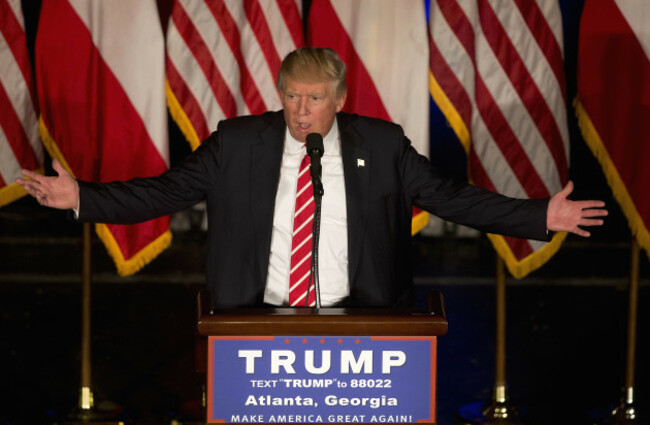
The superb author George Saunders takes a break from his usual fare to take a look at Donald Trump and the way he conducts himself at rallies. His speeches, says Saunders, are full of “empty assertion”.
(The New Yorker, approx 53 mins reading time)
In person, his autocratic streak is presentationally complicated by a Ralph Kramdenesque vulnerability. He’s a man who has just dropped a can opener into his wife’s freshly baked pie. He’s not about to start grovelling about it, and yet he’s sorry—but, come on, it was an accident. He’s sorry, he’s sorry, O.K., but do you expect him to say it? He’s a good guy. Anyway, he didn’t do it.
4. Is America repeating the mistakes of 1968?
After a terrible week for race relations in the US, this article looks back at 1968, when there were also major questions about policing and racism. The way things were dealt with back then could be a warning about what not to do now.
(The Atlantic, approx 20 mins reading time)
Nixon’s law-and-order arguments won the day. Indeed, as Michelle Alexander has shown in her landmark book The New Jim Crow, they became the intellectual foundation for a racially unequal criminal-justice system that exists today—one that disproportionately punishes blacks, revolves around an expansive federal prison system, militarizes local police forces, and sentences individuals who commit the most minor offenses to jail.
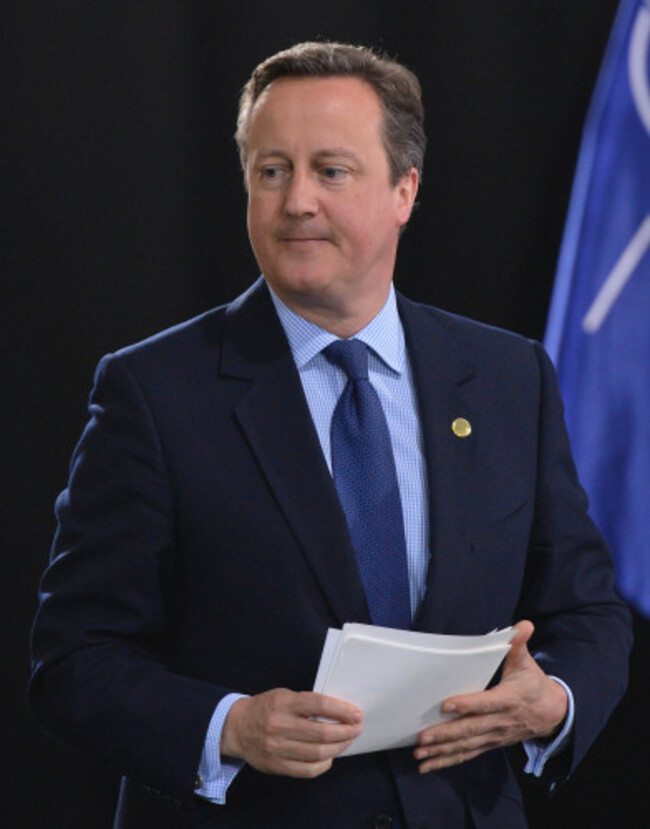
If you’re not tired of reading thinkpieces about Brexit, then take a look at this – a peek inside the doomed Remain campaign.
(The Guardian, approx 34 mins reading time)
Cameron gambled everything on the European referendum because he thought the centre was secure. He and George Osborne believed, as one of their cabinet allies told me: “It will be about jobs and the economy and it won’t even be close.”
When was the last time you just stood there in nature and listened? This article will convince you that what you really need is some time alone in the great outdoors.
(Crosscut, approx 10 mins reading time)
The difference between hearing and listening, and the discovery of how to really, wholly lend one’s ear, are revelations Hempton wishes more people could have. “After three days or so in the Hoh Valley or in Olympic Park, you find that all the chatter of the modern world that snuck aboard your backpack with you … loses relevance,” he told us, with sermon-like delivery. “It’s no longer important. What’s important is the beauty of nature.”
…AND A CLASSIC FROM THE ARCHIVES…
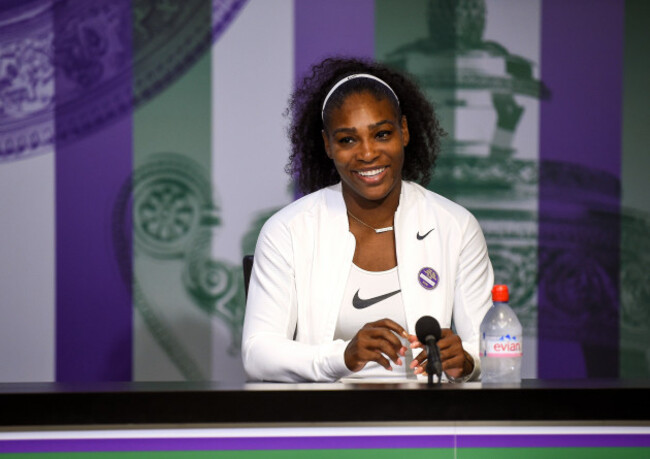
Fresh from her Wimbledon win, let’s take a look back at this 2015 profile about the great Serena Williams.
(New York Times magazine, approx 17 mins reading time)
The word ‘‘win’’ finds its roots in both joy and grace. Serena’s grace comes because she won’t be forced into stillness; she won’t accept those racist projections onto her body without speaking back; she won’t go gently into the white light of victory. Her excellence doesn’t mask the struggle it takes to achieve each win. For black people, there is an unspoken script that demands the humble absorption of racist assaults, no matter the scale, because whites need to believe that it’s no big deal. But Serena refuses to keep to that script.

To embed this post, copy the code below on your site












have your say