Sign in. It’s quick, free and it’s up to you.
An account is an optional way to support the work we do. Find out more.
Sign in. It’s quick, free and it’s up to you.
An account is an optional way to support the work we do. Find out more.
IT’S A DAY of rest, and you may be in the mood for a quiet corner and a comfy chair.
We’ve hand-picked the week’s best reads for you to savour.
1. The re-writing of David Foster Wallace
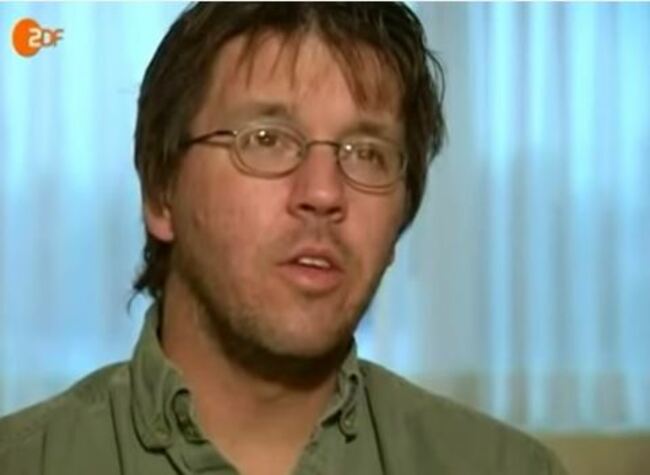
With a new movie due out about his life, Vulture looks at the writer and essayist David Foster Wallace, and whether the DFW we think we know is in fact the real man at all.
(Vulture, approx 38 mins reading time)
It’s just since the Kenyon speech became the sort of chain email your dotty uncle forwards you that Wallace has been transformed into an idol of quasi-moral veneration, the bard of ironic self-loathing transformed into a beacon of earnest self-help. And now that he comes to the screen, bandanna and ad hoc spittoon in tow, he stands to become a hero to audiences who haven’t read a word of his work. The cult could become a church.

When Gabriel Cohen moved into a new apartment, he soon discovered that it had a grisly history. The weird bit? He was a mystery writer.
(Narratively, approx 28 mins reading time)
I ask the broker for the keys so I can clean the place up. At the house, I introduce myself to an upstairs tenant. He’s a single guy about my age at the time, 44. I ask what the landlord is like. My neighbor gives me an odd look. “You mean you don’t know?” “Don’t know what? All I know is that he lives out of town.”
3. The inside story of Inside Out
Pete Docter is the writer and director of Inside Out, one of this year’s most talked about movies. He tells how it was inspired by his daughter’s bad moods.
(Vulture, approx 18 mins reading time)
“But it was pretty quick — like, Oh, she’s really different now.” Elie grew quiet, self-conscious, and moody, interpreting every stray eye roll as a personal affront. Elie is a good student, Docter says, but “there were a couple moments where she’d collapse on the floor, overwhelmed, saying, ‘Tomorrow I have to do this test and I’m not ready, waallla waaaaa.’ ”
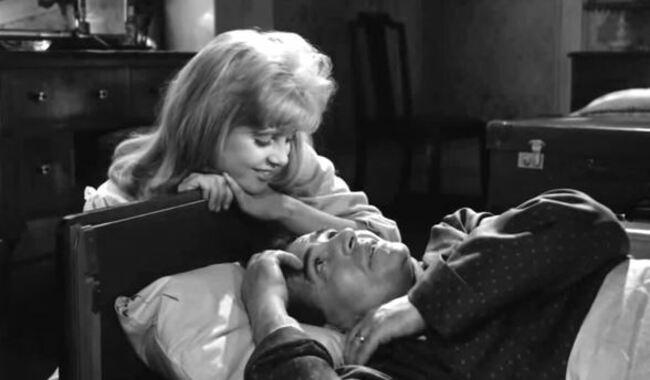
The story of author Vladimir Nabokov and his ‘timebomb’ novel Lolita.
(New Yorker, approx 9 mins reading time)
Born into an aristocratic Russian family, he had fled St. Petersburg at the age of eighteen (losing a fortune of a hundred and forty million dollars to the Bolsheviks), and eventually settled in Berlin, where, through the 1920s and most of the 1930s, he produced a series of novels which proved him to be a singularly chameleonic writer, uncannily able to adopt the nuances of whatever background he lit upon.

Martin McAuley and his friend Michael Tighe were both teens when they were shot by British soldiers in a hayshed. Their story sheds light on the real story behind the ‘shoot to kill’ policy during the Troubles.
(The Guardian, approx 35 mins reading time)
“Someone came into the hayshed and hit me on the back of my head, and I was dragged through what was left of the doors. The pain was just excruciating. The best way that I can describe being shot is that it’s like someone walked up to you and hit you with a red-hot sledgehammer. I was just lying there. And with every heartbeat the blood was pumping up in the air from my thigh.”

The first chapter of the new Harper Lee – author of To Kill A Mockingbird – book is available to read on The Guardian.
(The Guardian, approx 18 mins reading time)
Since Atlanta, she had looked out the dining-car window with a delight almost physical. Over her breakfast coffee, she watched the last of Georgia’s hills recede and the red earth appear, and with it tin-roofed houses set in the middle of swept yards, and in the yards the inevitable verbena grew, surrounded by whitewashed tires. She grinned when she saw her first TV antenna atop an unpainted Negro house; as they multiplied, her joy rose.
…AND A CLASSIC FROM THE ARCHIVES…
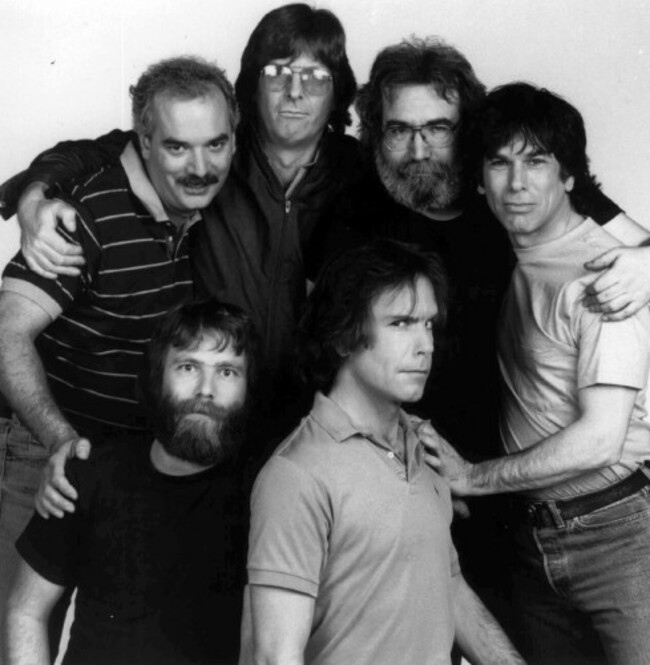
Take a trip back to 1974 and meet the Deadheads with Cameron Crowe and Creem magazine.
(The Uncool, approx 15 mins reading time)
At 31, Garcia is not half the weathered old Grandaddy of psychedelia that one might expect from the multiplicity of legends that engulf his clouded past. “That’s all gone now,” he adds. “They don’t ask or talk about that much anymore. It’s pretty clear now that what looked like it might have been some kind of counter-culture is in reality just the plan old chaos of undifferentiated weirdness.”

To embed this post, copy the code below on your site

















have your say