We need your help now

Support from readers like you keeps The Journal open.

You are visiting us because we have something you value. Independent, unbiased news that tells the truth. Advertising revenue goes some way to support our mission, but this year it has not been enough.

If you've seen value in our reporting, please contribute what you can, so we can continue to produce accurate and meaningful journalism. For everyone who needs it.

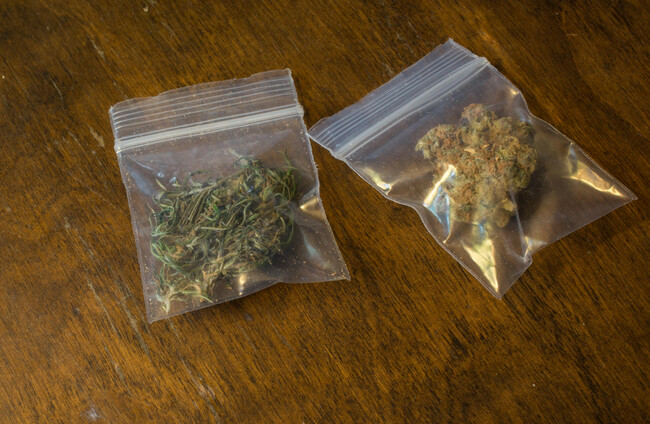
TDs to be told gardaí may claim to 'smell cannabis' as pretext for unlawful searches

Legal experts say the tactic is used to bypass gaps in police powers, disproportionately targeting young men in working-class areas.

TDS AND SENATORS sitting on the Oireachtas Drugs Committee will today be told that gardaí may falsely claim to have “smelled cannabis” as an unlawful pretext to stop and search an individual. 

The legalities around drug searches and the appropriateness of sentencing is set to be discussed at the hearing, with Dr Cian Ó Concubhair of Maynooth University’s School of Law and Criminology arguing that there are “a number of difficulties” with the use by gardaí of the “I smelled cannabis” justification to stop and search.

Ó Concubhair is expected to cite a number of reports from UK policing about stop and search practices but will also suggest that one of the reasons why senior gardaí have pushed back against the decriminalisation of drug possession for personal use in Ireland is because stop and search powers relating to drugs are used “in crime detection beyond drug offending”.

“It is absolutely essential to emphasise the following point: if the real reason a search is being conducted is suspicion of a crime other than cannabis possession, then that search is unlawful,” Ó Concubhair will say in his opening statement. 

The academic will also say that “anecdotal evidence from criminal law practitioners” also suggests that part of the reason for this is the absence of similar search powers for gardaí relating to other offences such as theft and fraud. 

He cites the example of shoplifting and says that a reasonable suspicion by gardaí that someone has shoplifted does not grant a power to search that person, a situation Ó Concubhair describes as an example of the “curious and problematic gaps” in Ireland’s policing regime. 

Dr. Ian Marder, also of Maynooth University, will tell TDs that most instances of stop and search fall on “working class young men” despite Health Research Board showing that “drugs are consumed at the same rates in the top and bottom 20% of areas by wealth”. 

Marder will also present results from his own research which showed that for young adults in the Blanchardstown area who are Black and who do not carry drugs that being searched is a “normalised experience”. 

Readers like you are keeping these stories free for everyone...
A mix of advertising and supporting contributions helps keep paywalls away from valuable information like this article. Over 5,000 readers like you have already stepped up and support us with a monthly payment or a once-off donation.

Close
44 Comments
This is YOUR comments community. Stay civil, stay constructive, stay on topic. Please familiarise yourself with our comments policy here before taking part.
Leave a Comment
    Submit a report
    Please help us understand how this comment violates our community guidelines.
    Thank you for the feedback
    Your feedback has been sent to our team for review.

    Leave a commentcancel

     
    JournalTv
    News in 60 seconds