Sign in. It’s quick, free and it’s up to you.
An account is an optional way to support the work we do. Find out more.
Sign in. It’s quick, free and it’s up to you.
An account is an optional way to support the work we do. Find out more.
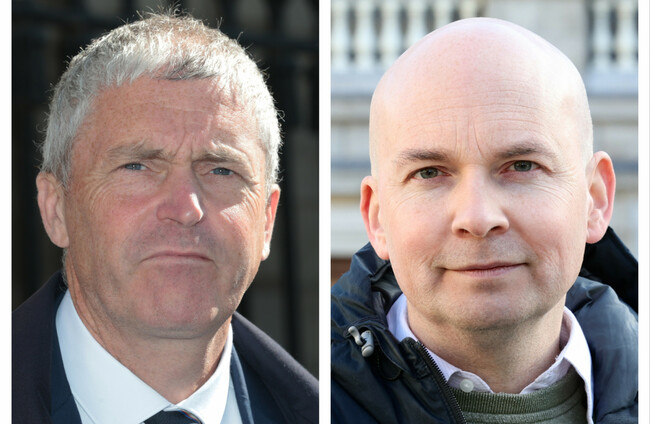
HIGH COURT HEARINGS in the similar cases of two TDs who are seeking to quash the appointment of so-called ‘super junior ministers’ have concluded today.
Sinn Féin TD Pa Daly and People Before Profit TD Paul Murphy brought separate legal cases against the government to ask the High Court to declare that the attendance of four Ministers of State at government meetings as unconstitutional.
Throughout the week, the cases heard evidence from both actions, which argued that the constitution is clear in its description of government and places a limit on the number of ministers who can attend and vote at cabinet meetings.
In response, the government has argued that the cases lack coherence and rely on “obscure” distinctions of what a super junior minister is considered to be.
Ministers are appointed by the President of Ireland to sit as the country’s government. Ministers of State, however, are appointed by the Taoiseach and can be nominated by the cabinet.
There are currently 15 senior ministers at cabinet level, but Ministers of State, often referred to as junior ministers, can be selected to attend weekly government meetings. The practice has been frequent since the early 2000s.
The super junior ministers appointed to this Cabinet include Fine Gael’s Hildegarde Naughton, Independents Sean Canney and Noel Grealish and Fianna Fáil’s Mary Butler.
Murphy and Daly argue, however, that the so-called super junior ministers are unconstitutional over constitutional rules over the conduct, business and voting method of cabinet.
The judges in both cases have reserved their judgments, meaning the court’s decision will be published and issued to the named parties involved at a later date.

To embed this post, copy the code below on your site











have your say