Sign in. It’s quick, free and it’s up to you.
An account is an optional way to support the work we do. Find out more.
Sign in. It’s quick, free and it’s up to you.
An account is an optional way to support the work we do. Find out more.
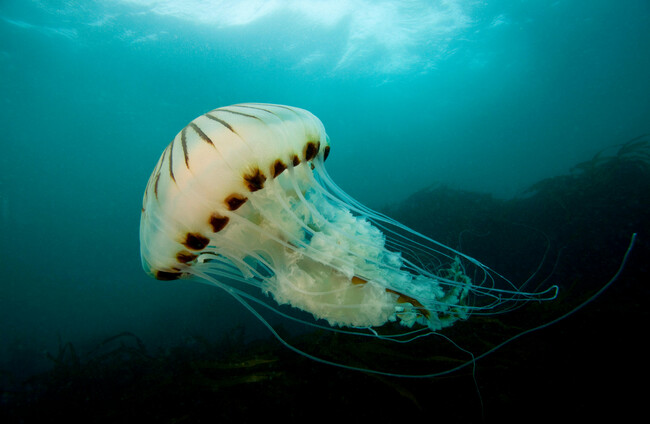
A NUCLEAR POWER plant in northern France was hit by a jellyfish invasion at the weekend that forced it to close four of its reactors.
Four of the plant’s reactors were shut down on Sunday and Monday after a swarm of jellyfish clogged its cooling pumps.
The plant is starting to get back online today, operator EDF said, with service restored at the first of the four closed reactors.
“Reactor No. 6 restarted at 7.30 am this morning,” an EDF spokeswoman told AFP, adding that work was still going on to bring three other reactors back online “in the coming days”.
The plant’s two other units are offline for maintenance.
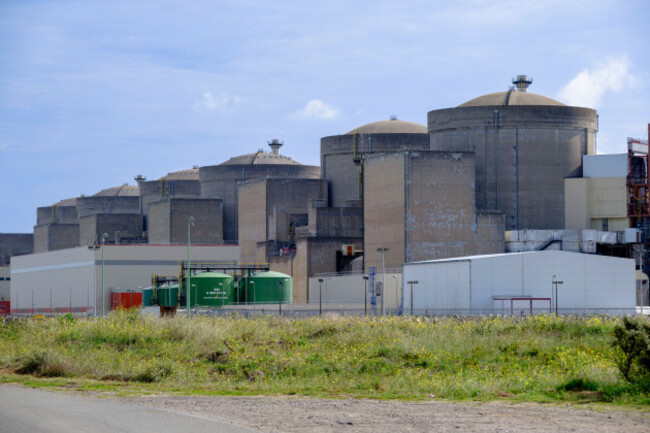
The Gravelines facility near Dunkirk on the French coast is the largest nuclear power plant in western Europe, with six 900 megawatt reactors.
The incident had not affected the safety of the facilities, personnel or the environment, the operator said.
The Gravelines plant was also disrupted by jellyfish in the 1990s, and the creatures have caused plants to close in the past in the United States, Sweden and Japan.
Experts say overfishing, plastic pollution and climate change have created conditions allowing jellyfish to thrive and reproduce.
Nuclear power accounts for around three-fifths of French electricity output. The country has one of the world’s largest nuclear power programmes, with a total of 57 reactors across 18 nuclear power plants.

To embed this post, copy the code below on your site












have your say