Sign in. It’s quick, free and it’s up to you.
An account is an optional way to support the work we do. Find out more.
Sign in. It’s quick, free and it’s up to you.
An account is an optional way to support the work we do. Find out more.
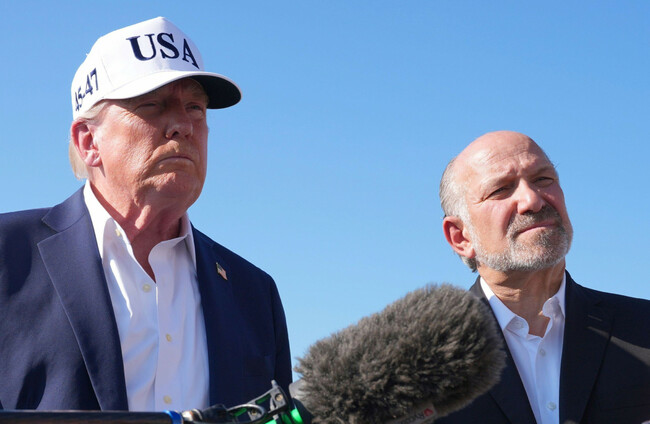
THE US WILL begin to send letters to countries it intends to place blanket tariffs on before President Donald Trump’s 9 July deal deadline.
In a post to his social media platform, Trump said that letters and the conditions of any deals that have been reached will be sent to countries from 5pm (Irish Time) today.
“I am please to announced that the United States tariff letters, and/or deals, with various countries from around the world, will be delivered starting 12pm (Eastern), Monday, July 7th,” Trump wrote.
Most countries have been slapped with a 10% tariff on exported goods by the US under Trump’s levy programme. He told reporters yesterday that up to 15 countries may receive letters from today.
US Commerce Secretary Howard Lutnick has said, however, that higher tariffs would kick in on 1 August but denied that it was a way of delaying the deadline. Treasury Secretary Scott Bessent also denied that the White House was backing down.
It comes as the EU is racing to reach a deal with the US ahead of Wednesday, as the threat of potentially a 50% tariff on European goods looms over negotiators.
So far, the Trump administration has only reached deals with the UK and Vietnam, while Washington and China agreed to temporarily lower high levies on each other’s products.
Should a mutual agreement not be reached, the EU has said it will impose its countermeasures on the US on 14 July.
Trade commissioner Maroš Šefčovič returned to Brussels on Friday and confirmed that the EU has yet to reach a deal. The EU has sought to maintain a 0% tariff rate between its member states and the US.
While this stance is supported by the Irish government, trade minister and Tánaiste Simon Harris has said that businesses should operate under the assumption that a 10% tariff is the “new norm”.
Harris today is set to be briefed by officials and speak with Šefčovič before briefing ministers on the latest trade developments at a cabinet meeting tomorrow, in “final push” efforts to reach a deal.
“Tariffs are bad for consumers, jobs, economic growth and investment. As I have been saying for some time, the uncertainty is also bad for economic confidence and Irish businesses seeking clarity on the trading environment in which they operate,” he said.
It is unclear if the EU will be successful in reaching its demands. There are serious concerns that the US’s response to the European countermeasures could impact Ireland’s lucrative aviation, pharma, drinks and agri-food industries

To embed this post, copy the code below on your site














have your say