Sign in. It’s quick, free and it’s up to you.
An account is an optional way to support the work we do. Find out more.
Sign in. It’s quick, free and it’s up to you.
An account is an optional way to support the work we do. Find out more.
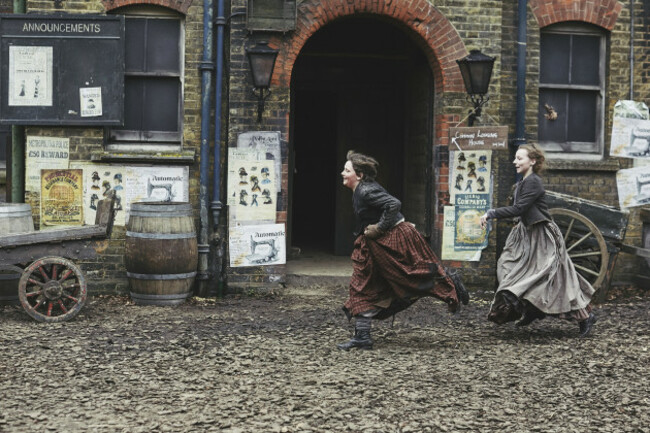
THE BBC SERIES ‘The Victorian Slum’ aims to give people an understanding of what Victorian life was like – desperate hunger, no job security, the freezing cold and a simple life.
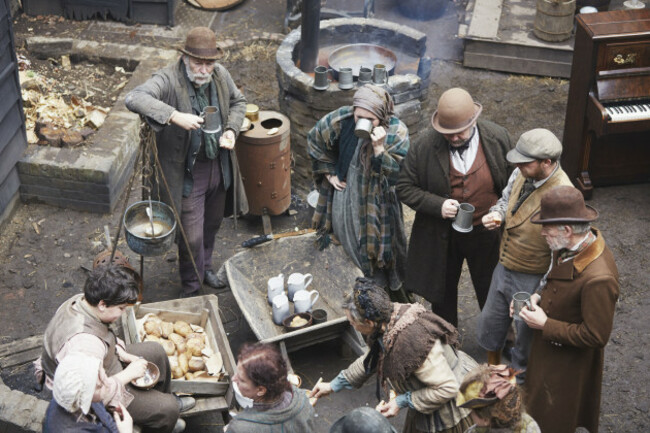
Over the course of ten days, people from a variety of backgrounds and disciplines took part in the series which forced them to live sleep and work in conditions that those in the 1800s were forced to, and automatically forced a comparison between then and contemporary times.
As part of the series, two young Irish siblings from Cork, John and Maria Baker took part in the series, representing the thousands of Irish immigrants who sailed to England in search of a better life.
The series introduces the Irish pair by giving a quick overview of how the Irish were treated: the portrayal in Punch magazine showed them as the link between humans and chimpanzees, and creatures that were to be feared.
“[The Irish] were accused of stealing jobs, and treated appallingly,” the narrator explains.
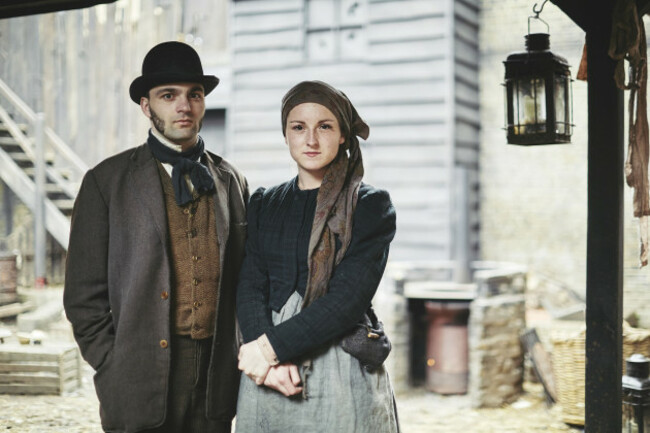
Maria says that it was her brother’s idea to join the series, and that she was “up for the experience”. But the minute she arrived on-set, she realised how serious everyone was taking the series: “people were so emotionally involved, it was so realistic”.
When they arrive, Maria and John are forced to find work on their first day, or else they wouldn’t have been able to afford a place to stay.
Maria, who studied fashion, found work in plucking chickens and making hat decorations with their feathers – while John was forced into some manual labour in a lumber yard and on the docks, among other places.
“Although it was a million miles from what I’m used to, and I thought I wouldn’t last at all, I actually enjoyed the hard work. I felt like I valued the money a lot more.
I bought a house recently and found myself doing bits like the tiling and the painting, which I wouldn’t have done otherwise.
He said that the real struggle was for the elderly members who were taking part, as the level of physicality required back then took it’s toll. He said that human contact, a chat, a story shared, lifted morale greatly in the area.
Maria agrees.
Your day could be made by a chat or a hug – it makes you take more of an interest in the person you’re standing beside, which is something we’ve lost.
How far we’ve come
John, who has an interest in history, said one of the most remarkable things about the series was how some things haven’t changed.
“Back in Victorian times, they spoke of killing off people in the slums,” John says. “And when you think about the Holocaust, and what Trump is saying and the impact of Brexit, you ask yourself – how can this be still happening?”
“In Victorian times, you were often cold, and hungry and had nowhere to go,” Maria adds. “But when you compare that to the homeless crisis, that’s still happening.”
Both John and Maria say that the show has given them a new-found interest in the Victorian interest – John said the first thing he did when he returned was order and read a whole load of books on the era.
Maria said that she always understood that times were hard back then, but that the show has taught her to respect the people of that era and the work that they did to survive.
“It’s so important for people now to understand past eras.”
Episode two of The Victorian Slum featuring John and Maria Baker, airs on BBC Two on Monday night.

To embed this post, copy the code below on your site







have your say