Sign in. It’s quick, free and it’s up to you.
An account is an optional way to support the work we do. Find out more.
Sign in. It’s quick, free and it’s up to you.
An account is an optional way to support the work we do. Find out more.
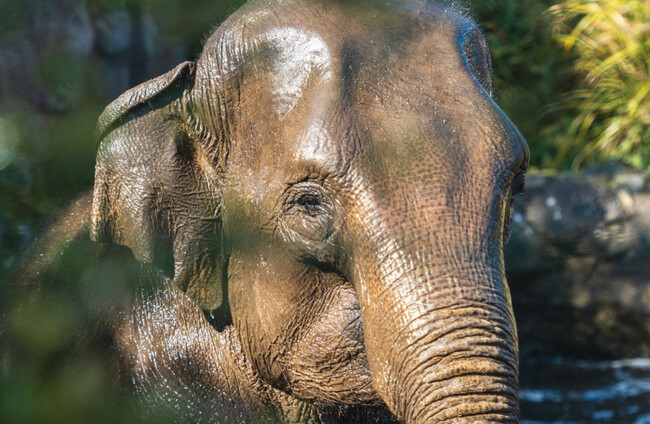
A THIRD ASIAN elephant at Dublin Zoo has contracted a virus that has already killed two other elephants at the zoo.
The Asian elephant is the largest land mammal on the Asian continent and Asha is the latest to contract the virus.
Asha is a 17-year-old Asian elephant and mother of Zinda, the seven-year-old elephant that died from Elephant Endotheliotropic Herpesvirus (EEHV) last week.
EEHV can cause a highly fatal haemorrhagic disease when transmitted to young Asian elephants – it poses no risk to humans.
It often lies latent in elephants and can be triggered without warning, as the virus is carried asymptomatically by many.
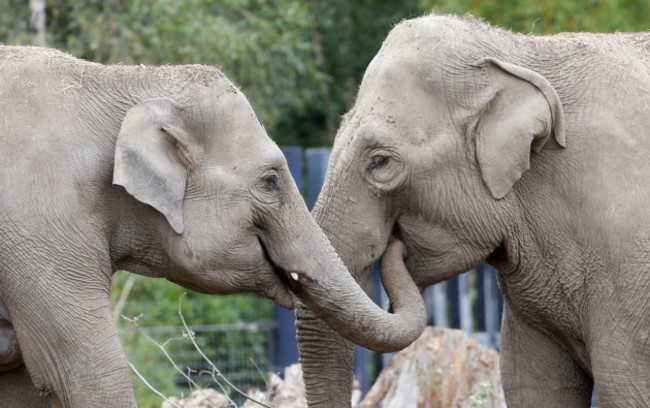
A spokesperson for Dublin Zoo said Asha’s age “may be an advantage”.
“Being older, her body has had more time to develop antibodies to fight the infection, potentially giving her a greater chance of survival,” said the spokesperson.
Older elephants are typically not as vulnerable to illness from the EEHV virus as younger elephants aged 10 and under are.
The spokesperson said a dedicated veterinary team at the zoo is “working tirelessly to provide Asha with the best possible care”.
Dublin Zoo noted that EEHV is a “serious and unpredictable illness” but it is “hopeful for a positive outcome as a result of “early detection and the right treatment”.
Currently, no other elephants in the herd are showing signs of EEHV and Dublin Zoo is closely monitoring their health.
Seven-year-old Zinda died from EEHV on Sunday, 7 July, while eight-year-old Avani died from the same virus on Monday, 1 July.
Dublin Zoo said an “unprecedented effort” was made to save Zinda.
This included the Irish and UK governments facilitating the urgent importation of vital blood products and other essential supplies from Chester Zoo to provide the antibodies and help fight the infection.
Dublin Zoo also noted that global efforts are ongoing to develop an EEHV vaccine and to “find a solution to safeguard the future of the elephant population”.

To embed this post, copy the code below on your site














have your say