Sign in. It’s quick, free and it’s up to you.
An account is an optional way to support the work we do. Find out more.
Sign in. It’s quick, free and it’s up to you.
An account is an optional way to support the work we do. Find out more.
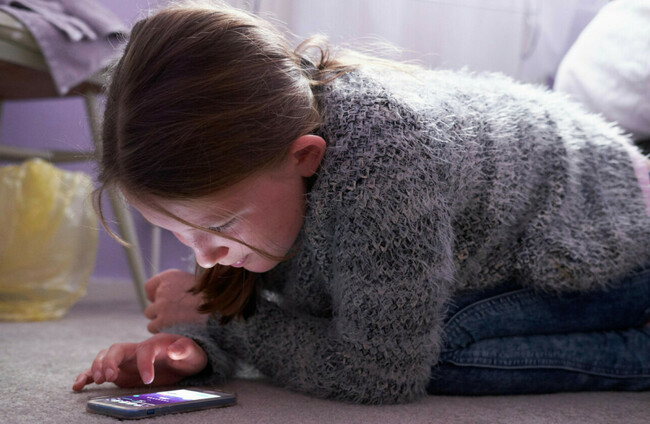
MPs IN THE UK have voted against introducing a ban on social media use for children under the age of 16, rejecting a proposal that had been backed earlier this year by the House of Lords.
The proposed restriction was defeated in the House of Commons by 307 votes to 173 after ministers argued that an outright ban could have unintended consequences for young people.
Campaigners supporting the measure had said it would help protect teenagers from harmful content online, while critics warned it could push children towards less regulated corners of the internet.
The vote comes as governments around the world, including in Ireland, debate whether stricter limits should be placed on social media use by young people.
The amendment to the UK’s Children’s Wellbeing and Schools Bill had been put forward by Conservative peer Lord Nash, amid growing pressure from campaigners and public figures including actor Hugh Grant.
Supporters argued that parents are currently in an “impossible position” when it comes to protecting children from online harms such as explicit content, cyberbullying and addictive platform features.
However, organisations including the NSPCC warned that banning teenagers outright could drive them towards unregulated websites or make them less prepared for navigating the online world when they eventually gain access.
During the Commons debate, UK education minister Olivia Bailey said the government recognised concerns about online harms but wanted to consider a wider range of options.
She told MPs that ministers had already launched a consultation examining measures such as minimum age requirements, restrictions on “addictive” features like autoplay, and changes to the UK’s digital consent rules.
Although MPs rejected the immediate ban, they supported a government amendment that would give ministers powers to introduce restrictions in the future.
Under the measure, the UK’s science secretary could potentially restrict or ban access to social media for children of certain ages, limit the use of VPNs, or introduce controls on specific platform features.
Lord Nash said he was “deeply disappointed” with the Commons decision and pledged to continue pushing for stronger action.
“There is huge demand across the country to raise the age limit and protect children from the catastrophic harms of social media,” he said.
The debate in the UK comes as several countries consider stricter rules on teenagers’ use of social media.
Australia introduced a world-first law in December last year requiring major platforms such as Facebook, Instagram, TikTok and Snapchat to prevent users under the age of 16 from creating or maintaining accounts.
Companies that fail to take reasonable steps to remove underage users can face fines of up to Aus$49.5 million.
France has also proposed banning social media accounts for under-15s, although the measure must still pass the country’s senate before it becomes law.
Several other European countries, including Denmark and Spain, have also signalled support for tighter age restrictions.
The issue has also been discussed by the Irish government in recent months.
Ireland’s Digital and AI Strategy commits ministers to working with other EU member states to explore possible age restrictions for social media users, particularly those under 16.
However, it is understood that an outright ban is not currently planned.
Instead, officials are examining options such as age-verification tools that could be used by online platforms.
A pilot of such a system, linked to a digital wallet based on the MyGovID app, is expected to be tested this year.
Minister for Communications Patrick O’Donovan has already reportedly raised concerns about the pace of development of the pilot.
Campaign groups remain divided on the issue.
The Children’s Rights Alliance has warned that banning teenagers from social media risks “punishing children for the fixable faults created by tech giants”, arguing that platforms themselves should be made safer instead.
Others say parents are increasingly demanding stronger intervention.
A recent poll cited by Tánaiste Simon Harris suggested around three-quarters of people support restrictions on social media use for children.
With reporting from Press Association

To embed this post, copy the code below on your site














have your say