Sign in. It’s quick, free and it’s up to you.
An account is an optional way to support the work we do. Find out more.
Sign in. It’s quick, free and it’s up to you.
An account is an optional way to support the work we do. Find out more.
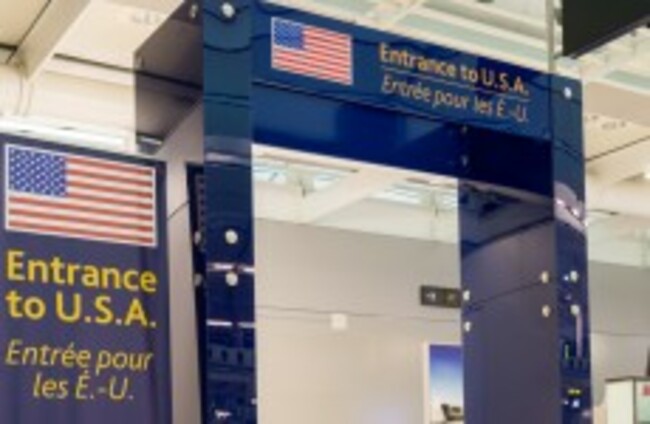
GIVEN THE SHEER amount of rigmarole involved in being security screened before entering the United States you might think that at least the security processes themselves would be relatively foolproof.
You would think wrong.
The Transportation Security Administration (TSA), a subsidiary of the Department of Homeland Security (DHS) set up in the US following 9/11, recently ran trials on the security in place at US airports, first reported upon by ABC News.
The results are frankly abysmal – in 67 out of 70 (an incredibly 96%) trials the undercover DHS agents managed to get through security with fake explosives and other weapons.
In one particularly bizarre test, a DHS agent was flagged by automated security detectors and then released by airport personnel, despite the fact he had a fake bomb strapped to his back.
The shocking failure rate has effectively cost the TSA’s chairman, Melvin Carraway, his job – he was reassigned to other duties on Monday while the DHS ordered an overhaul of the TSA’s own security processes, equipment and training.
Commenting on the findings, US secretary of homeland security Jeh Johnson said that he “continues to have confidence in the TSA workforce” in a statement.
The numbers in these reports never look good out of context, but they are a critical element in the continual evolution of our aviation security.
We take these findings very seriously in our continued effort to test, measure and enhance our capabilities and techniques as threats evolve.
US Coast Guard Vice Admiral Pete Neffenger has been nominated to take over from Carraway, although his appointment has yet to be ratified by American lawmakers.

To embed this post, copy the code below on your site






have your say