Sign in. It’s quick, free and it’s up to you.
An account is an optional way to support the work we do. Find out more.
Sign in. It’s quick, free and it’s up to you.
An account is an optional way to support the work we do. Find out more.
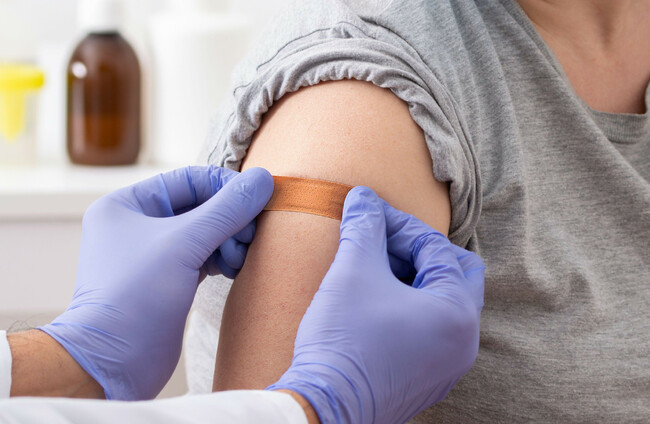
PARENTS WITH CHILDREN under the age of 18 are the most sceptical demographic of vaccines, though overall trust of vaccines in Ireland is higher than the global average.
Acceptance of vaccines that use mRNA — such as some vaccines against Covid-19 — is slightly lower than acceptance of more ‘traditional’ vaccine technologies, but nonetheless, a majority of people express trust in both types of vaccines.
That’s according to polling conducted by Red C, which surveyed nearly 34,000 people in 38 countries, including a representative sample of 1,000 adults in Ireland.
Overall, 73% of people surveyed in Ireland said they are accepting of ‘traditional’ vaccines, compared with a global average of 67%.
The acceptance level for approved mRNA vaccines was 67% — lower than the acceptance of other vaccine types but still higher than the relevant global average, which was 60%.
Acceptance of mRNA vaccines in Ireland was highest among people in higher socio-economic grades (75%) and Dubliners (73%).
Parents of dependent children, and the associated 35-54 age bracket, are the least accepting of mRNA vaccines (57%). They were also the least accepting cohort of other types of vaccines.
One in four adults said they would not be likely to take mRNA vaccines and one in five said they would not take a ‘traditional’ vaccine.
John Rogers, Associate Director at RED C Research, said the findings are “largely positive and show the strong levels immunisation acceptance in the population of Ireland, driven perhaps by our highly educated population and being a global leader in pharmaceuticals”.
“As with other countries, a challenge for medical professionals and health boards is to address the concerns many have with approved vaccines, in addition to tried and tested medical innovations,” Rogers said.
“Given the high levels of conspiracy theories and miss-information relating to vaccines, particularly involving those that cause negative effects in children, it’s concerning to see the vaccine acceptance and trust of innovative medicines in lower amongst Irish parents.”
The development of vaccines against Covid-19 increased conversations about vaccines, and with that came a rise in misinformation about vaccines and their safety.
Despite that rise in misinformation, vaccine uptake in Ireland is high.
The HSE has information available on its website about vaccines available in Ireland and which groups of people should avail of which vaccines.

To embed this post, copy the code below on your site
















have your say