Sign in. It’s quick, free and it’s up to you.
An account is an optional way to support the work we do. Find out more.
Sign in. It’s quick, free and it’s up to you.
An account is an optional way to support the work we do. Find out more.
THE WORLD IS facing a health crisis which is as serious as the Covid-19 pandemic and could cause millions of premature deaths, but we’re not doing enough to mitigate the risks, experts have warned.
More than 1.2 million people died from antimicrobial resistance (AMR) in 2019, according to the World Health Organisation (WHO). It is expected that by 2050, 10 million people will die prematurely each year because of it.
Every year, over 35,000 EU citizens die as a result of antibiotic-resistant infections including hundreds of people in Ireland.
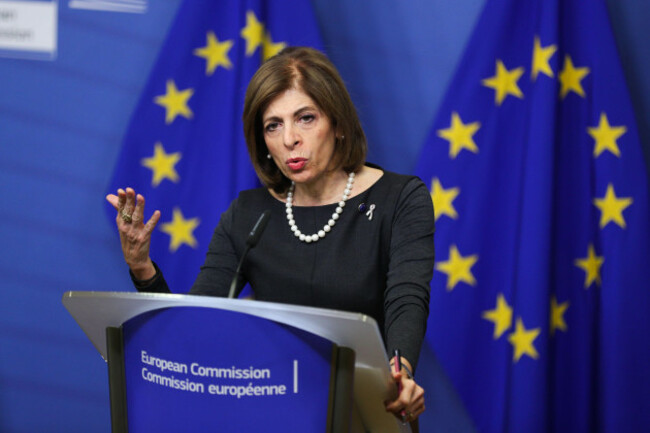
At a recent conference in Brussels, Stella Kyriakides, European Commissioner for Health and Food Safety, said developing a global response to AMR should be taken as seriously as the response to the Covid-19 pandemic.
She said AMR is “just as critical as Covid, but has not yet grabbed as many headlines”.
Kyriakides noted that AMR has often been called the “silent pandemic” because it doesn’t get enough attention.
“It might move slowly but it has the potential to turn the world upside down. We must confront it with urgency and determination,” she told reporters.
As well as the stark number of deaths, Kyriakides said the economic cost is “equally staggering”, with AMR responsible for almost €12 billion in health expenditure and lost productivity in Europe each year.
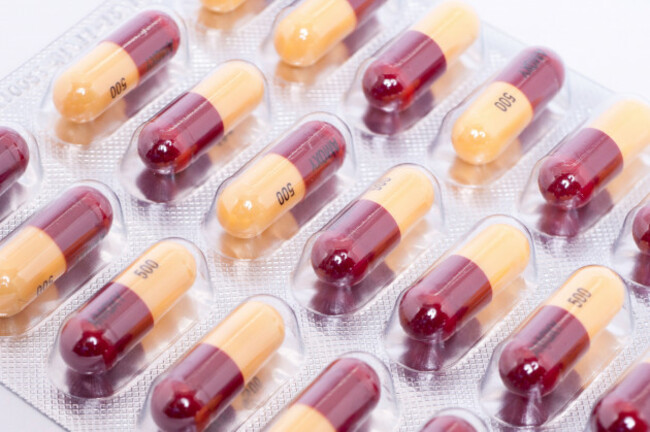
Antimicrobials – including antibiotics, antivirals, antifungals, and antiparasitics – are medicines used to prevent and treat infectious diseases in humans, animals and plants.
AMR occurs when pathogens – bacteria, viruses, fungi and parasites – no longer respond to antimicrobial medicines.
As a result of drug resistance, antibiotics and other antimicrobial medicines become ineffective and infections become difficult or impossible to treat, increasing the risk of disease spread, severe illness, disability and death.
Pernilla Rönnholm, from Gothenburg in Sweden, knows the human cost of AMR all too well.
When she was pregnant in 2011 she experienced regular pain and was afraid something was wrong. Her water broke when she was just 25 weeks pregnant (a full-term pregnancy is 40 weeks).
“I was admitted to hospital and I was bedridden for three weeks with continuous problems,” Pernilla told The Journal this week.
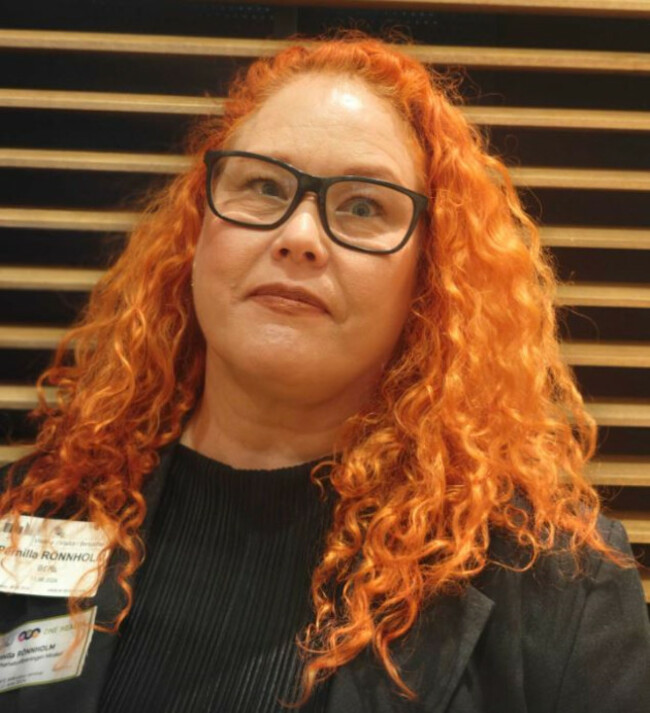
Medics thought she would give birth sooner, but Pernilla delivered her two daughters at 28 weeks.
The twins, Kirsty and Freya, were put in incubators and received respiratory support, but were “quite healthy for being so early”, Pernilla said.
“They were pretty good, considering. But then after four days, Kirsty got sick, they called us in the night.”
The following morning, Freya also became ill. The girls had an infection, but the exact cause was unclear. The infection worsened and developed into sepsis.
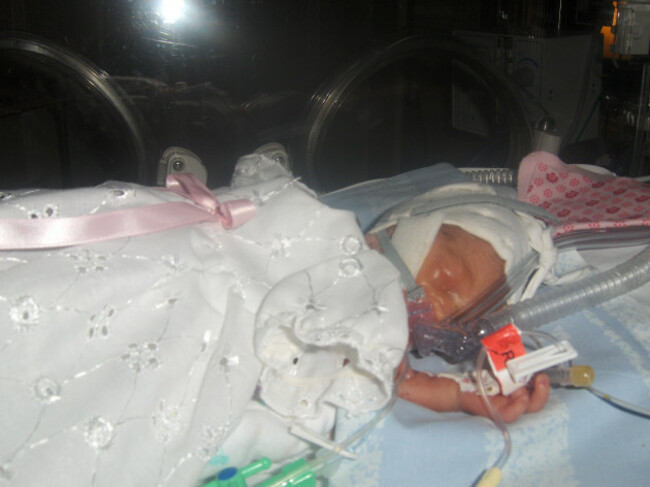
Pernilla recalled:
“Kirsty just got worse and worse, and we had to do an emergency christening in the incubator.
At eight days old, she died in my arms.
“She had sepsis all over body, apart from the brain.”
Doctors carried out tests on both babies, but the results only came back the day after Kirsty died.
Both girls had tested positive for ESBL (Extended Spectrum Beta-Lactamase) Klebsiella, a bacteria that can be resistant to antibiotics.
“It’s a multi-resistant bacteria. In those days it was not very common in Sweden,” Pernilla said.
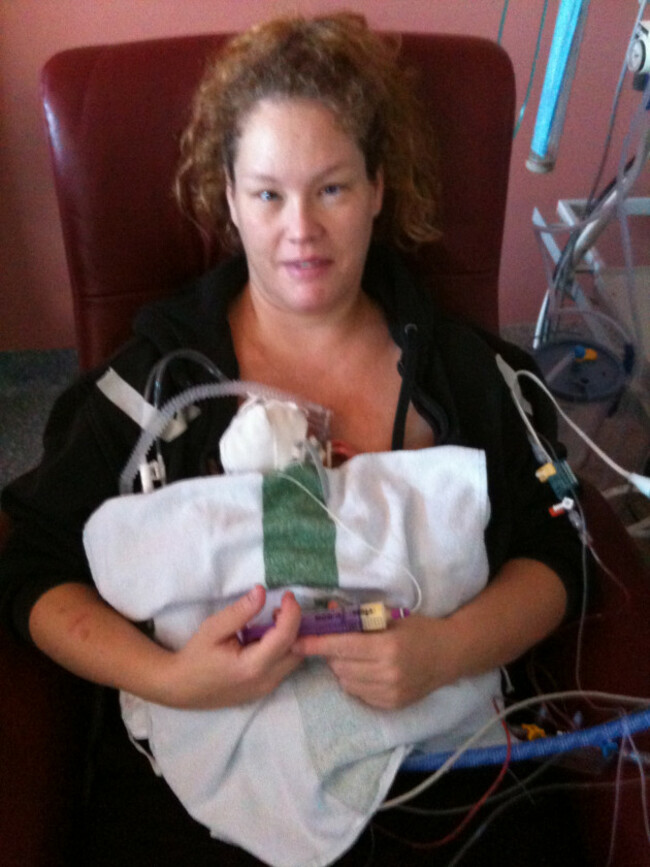
She believes she contracted it from eating certain food while pregnant, then unknowingly passed it on to her babies.
Someone didn’t wash their hands making food. I was transmitted with it. So when the girls were born, they got it, and it ended up becoming sepsis.
When they became unwell, both babies were treated with antibiotics. Freya recovered, but Kirsty did not.
“The antibiotics didn’t kill the ultra-resistant bacteria, so the sepsis got even worse,” Pernilla said.
Pernilla and her then-husband were, naturally, devastated.
“Our world fell apart,” she said, adding that the situation was “really surreal”.
“When you have twins and one dies, you’re still at the hospital and you’re planning a funeral.
“You have to take care of a baby who’s fighting to survive and at the same time you’re grieving and you’re in shock and planning a funeral.”
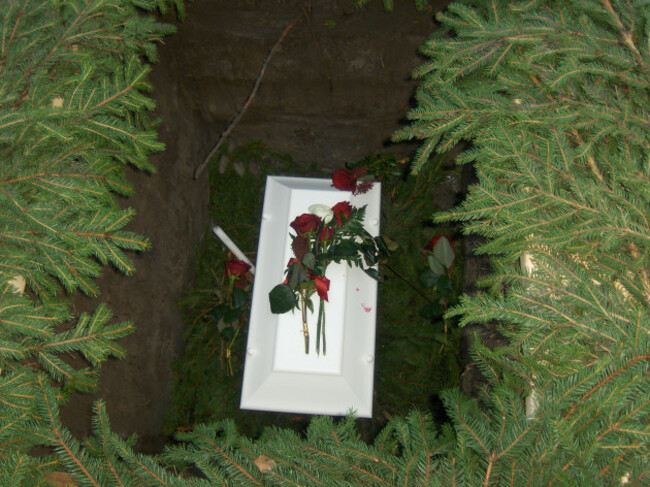
Pernilla said she didn’t receive the mental health supports she needed after Kirsty’s death and went on to develop post-traumatic stress disorder (PTSD). She is thankfully now doing much better and so is her daughter Freya (12).
Pernilla set up a non-profit organisation, the Premature Miracle Association, which helps families whose babies are born prematurely.
The organisation is also involved in improving guidelines related to trauma and grief in neonatal intensive care units and delivery wards. Pernilla said she is proud to have turned her own grief into helping other people.
The NGO has a national network of people sewing clothes for premature babies. These items are distributed to hospitals around the country.
The network also sews funeral clothes, made from donated wedding dresses, for babies who pass away.
“That helps the families, the PTSD and the grieving – when the parents feel they can give a proper, dignified burial,” she said.
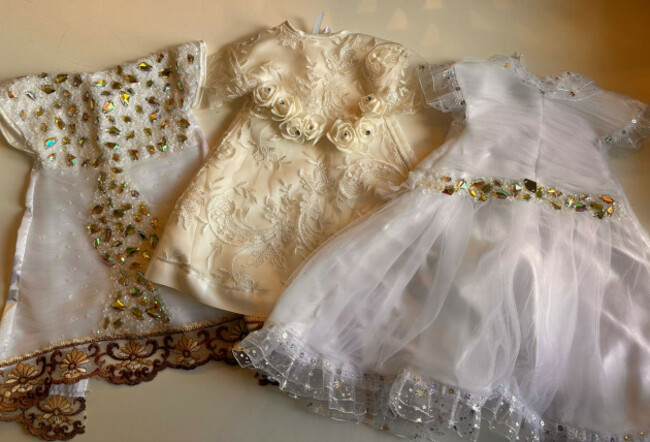
Pernilla explained that she has gone public with her family’s experience because she wants more people to know how serious AMR is.
“I want to make people aware that it’s a huge issue, it’s one of the biggest threats to society. It’s just that we can’t see it, it’s not visible, but it happens daily.
It happens all around the world. Families are being destroyed. I mean, children are dying. Loads of people are dying every day.
“I want the general public to learn and understand how to be part of the solution when it comes to fighting AMR.”
AMR is a natural process that happens over time through genetic changes in pathogens.
Its spread is accelerated by human activity – mainly the misuse and overuse of antimicrobials to treat, prevent or control infections in humans, animals and plants.
AMR can be spread from person to person, animal to person, and via contaminated food and surfaces.
People can help prevent the spread of AMR by regularly washing their hands, only taking antibiotics when needed (when treating bacteria, not viruses), and ensuring all food is washed and cooked properly.
The European Commission is implementing a number of measures aimed at mitigating the risks of AMR, including raising public awareness and increasing funding in this area.
In Ireland, the National Interdepartmental AMR Consultative Committee, which includes members from the Departments of Health and Agriculture, oversees the country’s response to AMR.
Ireland has an action plan, which covers 2021 to 2024, on tackling AMR. Its goals include increasing public awareness and research, and optimising the use of antibiotics in people and animals.

To embed this post, copy the code below on your site














have your say