TheJournal.ie uses cookies. By continuing to browse this site you are agreeing to our use of cookies. Click here to find out more »
Dublin: 12 °C Friday 24 May, 2013

10 scientifically proven ways to make yourself happier

Weirdly, the colour blue makes the list…

FEW PEOPLE GO through life without wanting to be happier.

You may think happiness is out of your control but, believe it or not, there are a few scientifically-proven ways to make yourself happier, and they’re all things you can do proactively.

So, here we go…

10 scientifically proven ways to make yourself happier
1 / 10
  • Spend money on other people

    Spending money on other people instead of yourself makes you feel happier, a study published in "Psychological Bulletin" found. The study concluded "the happiest people were the biggest givers, no matter what they earned," and always felt better donating to charities and giving to others than splurging on themselves. Image: Mosman Council via Flickr
  • Try something new

    People who go on adventures, try new experiences, and switch up their routines are generally happier, research has shown. Trying new things also keeps motor function sharp and stimulates brain waves. Image by 666isMONEY ☮ ♥ & ☠ via Flickr
  • Expose yourself to more blue

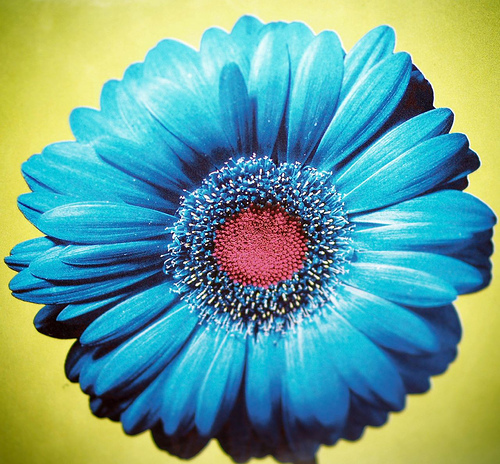
    A study showed that exposing yourself to the color blue sent "self confidence soaring, cut stress, and boosts happiness." Researchers from the University of Sussex found that when people saw blue, their brain waves showed increased happiness. Image by paparutzi via Flickr
  • Stop defending your point of view

    Dr. Deepak Chopra, author of The Ultimate Happiness Prescription: 7 Keys to Joy and Enlightenment, has said that maintaining neutrality is the best way to keep yourself happy. Pushing your point of view on someone else who disagrees won't actually make you happy. "You can save 99 percent of your psychological energy—and feel happier—if you can stop defending your point of view,” says Chopra. Image by Whistling in the Dark via Flickr
  • Go to church

    In a recent study, people who attended church regularly responded that they were happier and more satisfied with their lives than people who were not religious. Bruce Headey, an associate professor at the University of Melbourne, researched happiness among a group of people for 25 years, and claimed that people who went to church stayed thin, avoided worrying about their careers, and had emotionally stable partners. Image by Val Entertainment via Flickr
  • Sleep at least six hours at night

    Six hours and 15 minutes a night of un-interrupted sleep makes for the happiest people, a study commissioned by the British company Yeo Valley found. The study asked adults ages 18 to 65 to rate their level of happiness on a scale of one to five. Those who slept around six hours and 15 minutes a night ranked the happiest. Image by goldberg via Flickr
  • Slash your commute to 20 minutes

    From the same British study that found adults need to sleep at least six hours to be happy, the happiest respondents were also found to commute just 20 minutes to work. Studies have showed that long commutes affect health, fitness, and happiness. Image by cosimo.chiffi via Flickr
  • Make sure you can count 10 good friends

    Can you count to 10? Adults who said they had 10 good friends were happier than those who could count five or less close friends, research from Nottingham University found. And it seemed the "more the merrier" really did apply. The more friends one had, the happier he or she seemed. The study concluded that we should nourish our friendships to help enrich our own personal happiness. Image by mcclouds via Flickr
  • Fake it

    It may seem like a lot of work, but acting happy when you're actually sad can actually make you feel happier. Several studies have shown that just the act of smiling can cause people to experience happy feelings. Image by ♫ joyousjoym~ Blessings♥ via Flickr
  • Find yourself a romantic relationship

    Our relationships with our significant others have a large effect on our happiness, research has showed. People in relationships were generally found to be happier than other people, and spouses have the highest sense of well-being, whether they are happily married or not, according to a study from Cornell University. The stronger the commitment, the happier the people in the relationship were, the study found. Image by Guillaume Paumier via Flickr

Main image: DaedaLusT/Flickr/Creative Commons

Published with permission from:

Business Insider
Business Insider is a business site with strong financial, media and tech focus.

Read next:

Comments (33 Comments)

Add New Comment