Sign in. It’s quick, free and it’s up to you.
An account is an optional way to support the work we do. Find out more.
Sign in. It’s quick, free and it’s up to you.
An account is an optional way to support the work we do. Find out more.
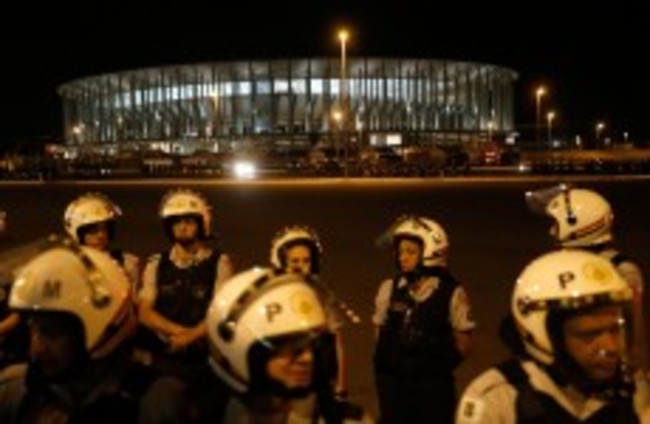
A CULTURE OF police abuse and impunity threatens to mar the FIFA World Cup, which kicks off this day next week.
That is the warning from Amnesty International, who say that “indiscriminate police and military violence” could overshadow the football tournament.
Atila Roque of Amnesty International Brazil says that protesters who are angered at the waste of public money on the tournament are risking serious violence.
“The 2014 World Cup will be a crucial test for authorities in Brazil. They must use this opportunity to step up their game and ensure the security forces policing demonstrations during the tournament refrain from committing any more human rights violations.”
Amnesty International’s report ‘They use a strategy of fear’: Protecting the right to protest in Brazil analyses the catalogue of abuses committed by the security forces in the past year.
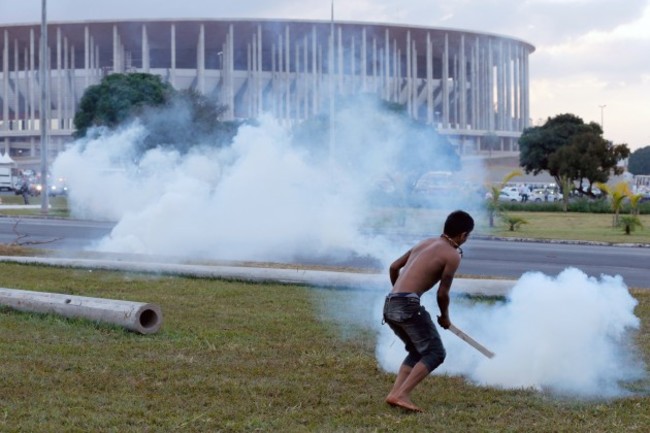
They include the indiscriminate use of tear gas and rubber bullets against peaceful protesters, arbitrary arrests and the misuse of laws to stop and punish those who had taken to the streets.
Today, Amnesty International’s activists in Brasilia are presenting federal authorities with tens of thousands of “yellow cards” signed by individuals from across the world as a warning that the authorities must respect the right to protest peacefully.
“The world is sending a clear message to the Brazilian authorities: protesting is not a crime, it is a human right,” said Roque.
Military police units also used tear gas on peaceful protesters — in one case even firing a gas canister inside a hospital in Rio de Janeiro.
Hundreds were also indiscriminately rounded up and detained, some under laws targeting organised crime, without any evidence that they were involved in criminal activity.

To embed this post, copy the code below on your site









have your say