Sign in. It’s quick, free and it’s up to you.
An account is an optional way to support the work we do. Find out more.
Sign in. It’s quick, free and it’s up to you.
An account is an optional way to support the work we do. Find out more.

IRELAND’S CENTRAL BANK has cut the growth forecast for this year and next, citing the negative and material effects of the Brexit referendum.
The new forecast came as new data shows that growth in the UK economy accelerated in the run-up to the referendum.
Britain posted 0.6% growth in the second quarter of the year, its strongest quarterly rise in industrial production for nearly 20 years, which helped its economy to beat expectations.
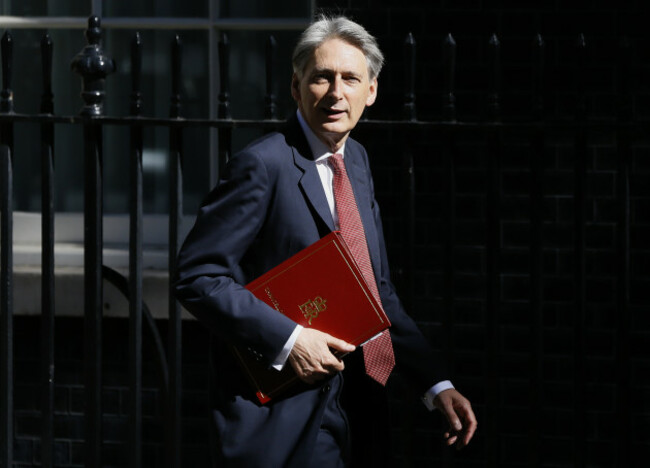
The country’s chancellor, Philip Hammond, said the figures showed “the fundamentals of the British economy are strong” and that meant the UK would be able to negotiate leaving the EU from a good position.
However experts have warned the figures don’t reveal the impact of the Brexit vote as most expected the UK to remain in the EU in the lead-up to the poll.
Leading indicators paint a much less-rosy picture for Ireland’s key trading partner, with a recent business activity survey pointing to the biggest economic plunge since the financial crisis on the way for the UK.
Negative impact
In its latest quarterly bulletin, published today, the Central Bank sounded the warning alarms on the fallout from the UK’s decision to leave the EU as it cut its growth forecasts for Ireland.
In a quarterly bulletin, the first since the momentous June 23 referendum in which Britain opted to leave the European Union, the Central Bank said:
The close relationship between the Irish and UK economies creates a particular exposure for the Irish economy from Brexit.
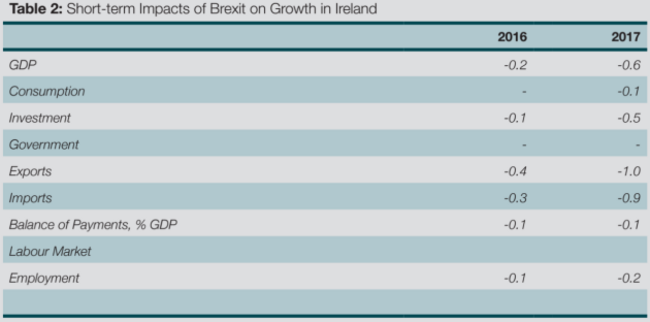
It added: “Both in the short-term and in the longer-term, the economic impact of Brexit on Ireland is set to be negative and material.”
“(Brexit) will have a negative impact on Irish GDP, employment and incomes.”
In the worst-case scenario, with increases in both trade and non-tariff barriers between the countries, the Irish economy could be more than 3% smaller than it would have been without the Brexit vote after a decade.
“A significant short-term impact is also likely,” the bulletin said, adding that the final economic impact would depend on what kind of deal the UK struck with the EU.
It noted the Irish economy had become less dependent on the UK in recent decades, but it remained a “particularly important” market for indigenous firms.
The agri-food, clothing and footwear, and tourism industries were all likely to be disproportionately affected due to their dependence on British trade.
The country is the destination for more than half of all Irish beef exports, 60% of cheese and 84% of poultry.
Leprechaun economics
The Central Bank also had plenty to say about Ireland’s heavily revised GDP figures for last year, which showed an absurd 26% increase in the national economy.
In a note on the data, Central Bank economist Diarmaid Smyth said Ireland’s official stats now included “a very significant amount of activity carried out in other jurisdictions but formally recorded in the Irish national accounts”.
That included a major shift in multinationals’ assets to Ireland, so-called ‘on-shoring’ activity that had “little real benefit in terms of employment or incomes and obscures underlying growth dynamics”.
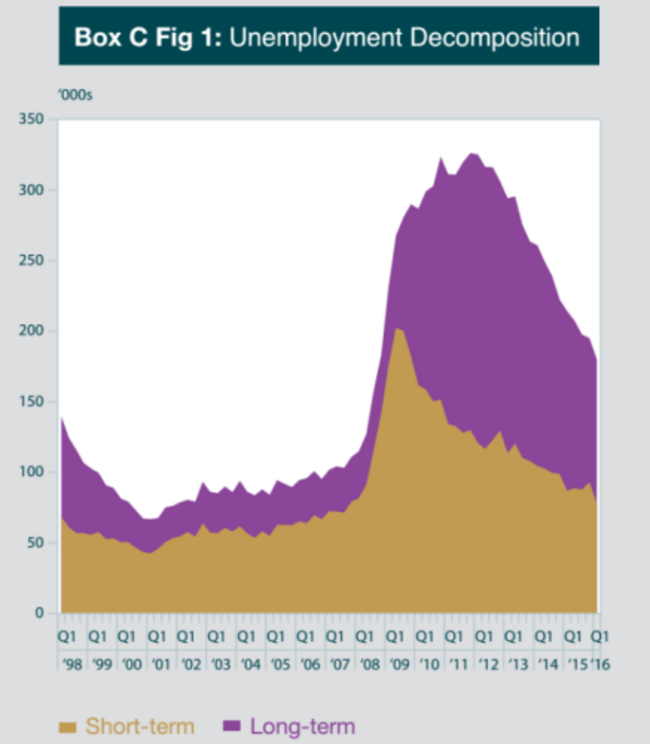
Nevertheless, underlying growth in the Irish economy was still strong. The Central Bank predicted the unemployment rate would average 7.2% next year and wages would rise 2.5% in both 2016 and 2017.
Additional reporting AFP
Written by Peter Bodkin and posted on Fora.ie

To embed this post, copy the code below on your site















have your say