Sign in. It’s quick, free and it’s up to you.
An account is an optional way to support the work we do. Find out more.
Sign in. It’s quick, free and it’s up to you.
An account is an optional way to support the work we do. Find out more.
TAKE A LOOK at the GIF below.
Watch it all the way to the end.
Now, do you see the face of Hollywood beauty Marilyn Monroe or do you see genius Albert Einstein’s mug in it?

You should see both. If you never see Einstein, chances are you need glasses.
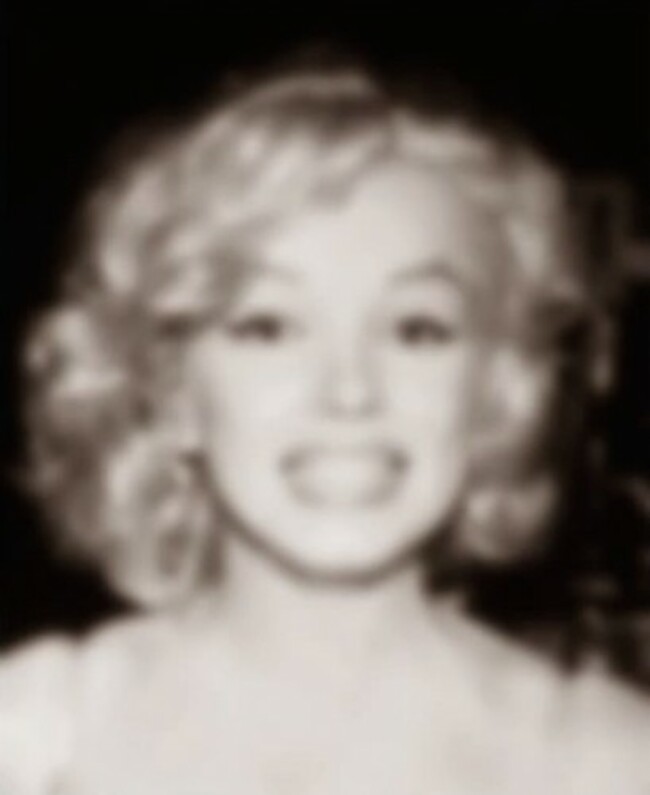
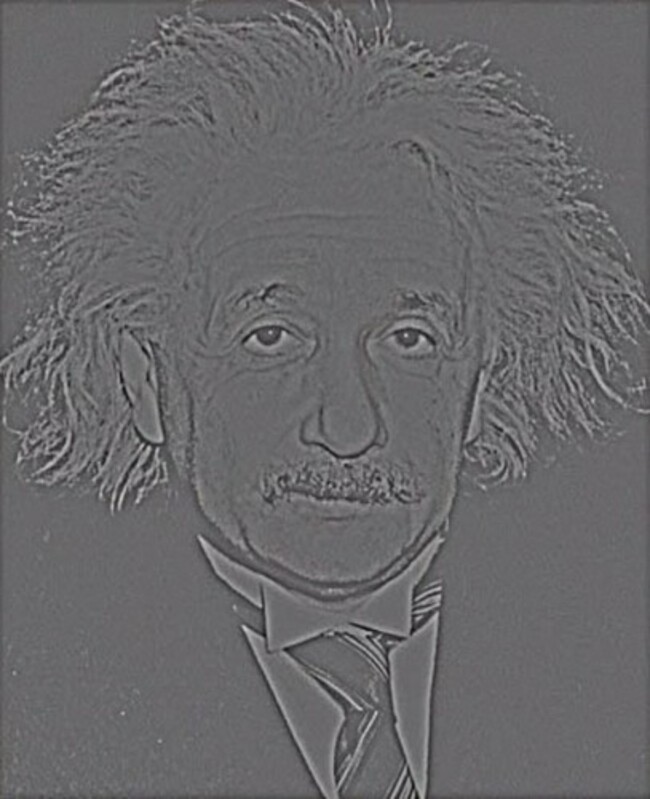
According to the folks over at ASAP Science, who made a video showing how it works, the image above is a hybrid image. It’s a combination of two separate photographs – one of Marilyn Monroe and one of Albert Einstein.
The reason the image appears to transform is because one image (Einstenin) is made up of super dense pixels, making his details, like his moustache and wrinkles, pop, while the other image is made of up far fewer pixels, causing only her basic features to show up.
Here’s the image of Marilyn. You can easily make out her face shape and basic facial features, but not much else:
And here’s the image of Einstein. You can clearly see the fine details of Einstein’s face, like his moustache and wrinkles:
When you see one image, it clouds out the other.
Problem is, if you can’t make out Einstein’s details, you’ll never see them in the picture.
As the GIF gets bigger, you can see it details more clearly (just as you would if you were walking closer and closer to a static, unmoving image).
Someone looking at the full-size GIF should see Einstein, because the more vague, general information represented by the Marilyn image (the shape of her face and features) should fade once they can make out the sharp details in the Einstein image.
Alas, if Marilyn never transformed into Einstein, it might be time to make an appointment with your eye doctor.

To embed this post, copy the code below on your site












have your say