Sign in. It’s quick, free and it’s up to you.
An account is an optional way to support the work we do. Find out more.
Sign in. It’s quick, free and it’s up to you.
An account is an optional way to support the work we do. Find out more.
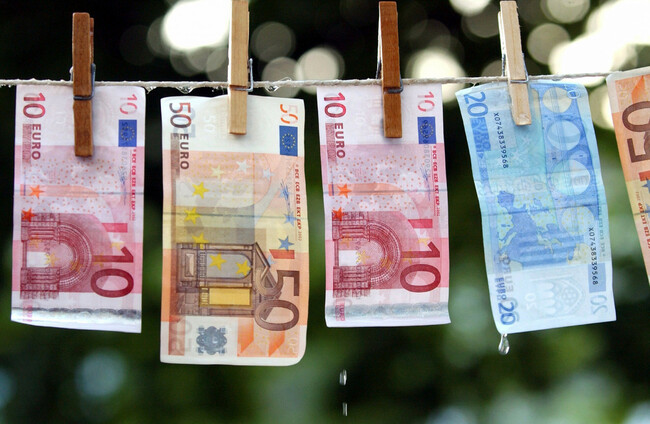
IRELAND HAS THE ninth-highest number of reports into suspicious financial transactions, including those connected to money laundering or terrorist activities, out of all EU countries, the EU’s law enforcement agency has found.
The report by Europol found that 120,971 cases were reported in Ireland between 2006 and 2014 – 2% of all cases reported across all 28 EU member states.
Money laundering is “one of the key ‘engines of crime’ sustaining global criminal business worth billions of dollars”, Rob Wainwright, executive director of Europol, said.
However, the illegal practice is becoming more difficult to combat as the financial industry becomes more virtual and more global, Wainwright said.
Controlling much of this mega-illicit activity are global money laundering syndicates, who offer their services at scale to criminal networks, and are highly adept at exploiting gaps in the financial system.
The report captures how many suspicious activity reports are being sent from the private sector to Financial Intelligence Units in police forces, meaning that the levels of activity reported in a country is also indicative of how strong a culture of reporting this activity is in each EU member state.
The report also finds that Ireland comes in third place when it comes to the number of reports into the suspected financing of terrorism.
International trends
The UK is in first place when it comes to the highest reporting volumes of transactions related to laundering or terrorism. This is “understandable”, the report says, given that the UK is both home to one of Europe’s largest financial markets and also runs the Suspicious Activity Regime (SAR), which looks at suspicious activity undertaken by financial organisations.
In fact, the report says that the high figures “may also be a result of defensive or over reporting”.
Over 65% of all reports to EU Financial Intelligence Units were received by just two member states – the UK and the Netherlands.
While the number of reports about suspicious transactions is increasing, only around 10% are being further investigated, Europol says.
These stark findings make it impossible not to question why the success rate of the system is so poor and what can be done about it.
In general, reporting figures are “not always in line with what we expect to see”, the report states. For example, countries like Cyprus and Malta report fewer cases than would be expected given the size of their banking sectors.

To embed this post, copy the code below on your site














have your say