Sign in. It’s quick, free and it’s up to you.
An account is an optional way to support the work we do. Find out more.
Sign in. It’s quick, free and it’s up to you.
An account is an optional way to support the work we do. Find out more.
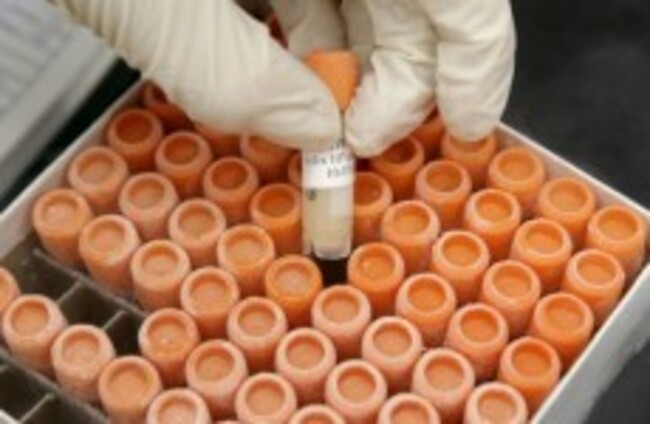
SERIOUSLY ILL IRISH patients have been travelling abroad in search of stem cell therapies after falsely being assured that their conditions will be improved or cured.
People hoping to find relief from serious conditions such as multiple sclerosis (MS) and spinal injuries, amongst others, have been attracted to clinics abroad that offer risky treatments which Irish medical standards forbid.
“The problem has grown very quickly,” Dr Stephen Sullivan, chief scientific officer of the Irish Stem Cell Foundation, told TheJournal.ie. “There people are basically cashing in on patients’ desperation”.
The problem is not confined to Ireland alone – with patients from across the globe reporting similar stories. Some notice no improvement in their condition after parting with large amounts of cash, while others experience more grave consequences of undergoing unapproved treatments; several fatalities have been reported following experimental procedures, according to Reuters.
Sullivan said there was no way to accurately record the number of Irish people travelling out of the country to undergo such treatments, but he estimated that “hundreds” of patients were doing so – at a cost millions of euro anually.
Last year, a clinic in Dussledorf, Germany, was closed by the authorities due to unsubstantiated claims about the treatments it offered. More recently, incidents of patients travelling to China for such treatments have also been discovered, Sullivan said.
Sullivan outlined five recommendations for patients to consider when researching a clinic:
Sullivan said that, currently, stem cell therapies were known to work on only some conditions – blood cancers (lymphoma, leukemia) and rare blood disorders. Stem cell therapy used for diseases like type 1 diabetes, cystic fibrosis or Parkinson’s disease are still firmly classed as “experimental”.
“The problem (of sham therapies) is too young for us to have transcontinental legislation in place” he said, warning patients to avoid jurisdictions where medical standards are lax. People educating themselves about the basics of stem cell research would help them to identify possible scams, he added.
In Ireland, all treatments must pass stringent clinical trials and be administered through an institution that has been accredited by the relevant government agency.
Another problem associated with “stem cell tourism” is the impact it could have on the public’s confidence in genuine stem cell research – as well as cutting off potential sources of revenue for research – Sullivan said. “A huge amount of money is currently being directed away from legitimate forms of treatment,” he said.
The Irish Stem Cell Foundation is Ireland’s National Stem Cell Research Organisation. A Member of the International Consortium of Stem Cell Networks, the Foundation is committed to the Pursuit of International Cooperation, Collaboration and Excellence in the Stem Cell Field.

To embed this post, copy the code below on your site
















have your say