Sign in. It’s quick, free and it’s up to you.
An account is an optional way to support the work we do. Find out more.
Sign in. It’s quick, free and it’s up to you.
An account is an optional way to support the work we do. Find out more.
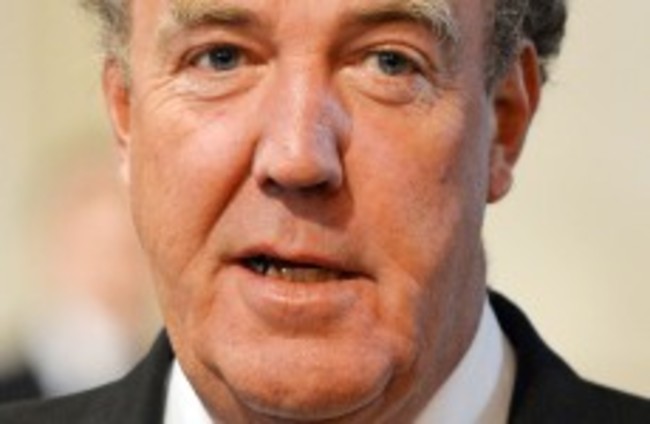
THE FUTURE OF one of the BBC’s most lucrative and popular programmes is on its thinnest ice ever.
The news emerged yesterday that Top Gear presenter Jeremy Clarkson had been suspended from the broadcaster following a ‘fracas’ with a producer.
Sunday’s episode of the programme will not be aired, and the remaining two in the current series also look likely to be dropped.
The exact details of the incident are beginning to emerge. The Mirror (not likely to be Clarkson’s choice of paper after breaking the n-word scandal) reports that an Irish Top Gear producer was allegedly punched by Clarkson after he failed to get the presenter’s dinner on time while filming in Newcastle.
“Jeremy just saw red over a catering issue,” a source told the paper.
Clarkson has remained largely silent on the issue, taking to Twitter only to note that he knocked Labour leader Ed Miliband down the news agenda and retweet a fan’s support.
He and fellow Top Gear presenters James May and Richard Hammond also discussed what could be aired instead of Sunday’s episode.
His daughter also hopped in:

The BBC’s decision hasn’t been popular. Clarkson is a Marmite figure in British media – many dislike his often less-than-PC opinions and comments, but others see him as an entertaining presenter and writer across a range of publications and topics.
Political blogger Guido Fawkes last night tapped into the massive public outcry, launching a petition to have Clarkson reinstated as presenter that has so far gathered 240,000 signatures at the time of writing.
However, despite the efforts of his fans, this could be the final straw for the 54-year-old presenter.
Clarkson has a long string of high-profile gaffes, including (but not limited to):
There’s several others, ranging from insulting the Indian government to upsetting viewers by trying to fit a dead body (fake) in the boot of a car.
Too big to fail?
Although it’s hard to imagine a Top Gear without Jezza, the BBC would be crazy to drop it.
It first aired in 1977, and was relaunched with a new drive in 2002.
It’s the jewel in the crown of BBC Worldwide, the main commercial arm of the public service broadcaster.
The most-watched show on BBC2, its 21st series amassed an average viewership of 6.49 million. It, along with Doctor Who and Sherlock, helped drive a 36.7% rise in digital sales. Its The Perfect Road Trip DVD was the best selling in the UK of 2013. Its live show attracts audiences of thousands. As many as 15 million fans on Facebook, approaching two million followers on Twitter, an active Top Gear webiste… the list goes on.
It is BBC Worldwide’s big-earner, being sold to 212 countries and raking in at least €200 million, more than any other programme.
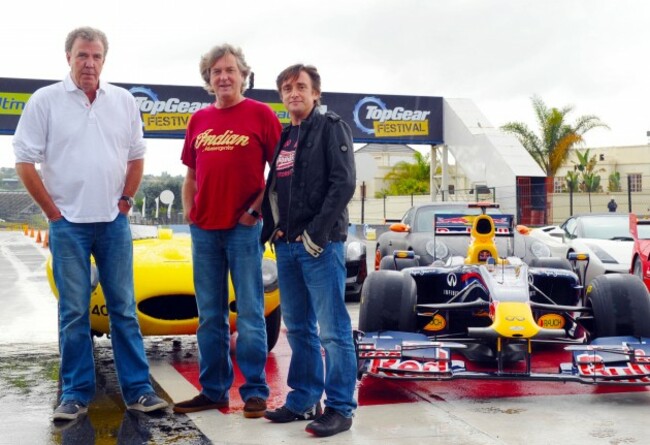
Given the longevity of the brand, a Top Gear without Jeremy Clarkson is unlikely to lose a huge amount of the attraction of the programme – people will still love cars (or, you know, turning Reliant Robins into mini-space shuttles).
It could cost the BBC a few pennies if he did get the sack. The Telegraph noted last year during EenyMeenyGate that Clarkson doesn’t just have a seven-figure contract to present Top Gear, but also a separate one with BBC Worldwide itself.
This is after a company called Bedder 6, set up by Clarkson with the show’s executive producer and that has made the presenter thousands over the years, was bought out. It was 50% controlled by the BBC, who owned the intellectual rights to the programme, while Clarkson and Andy Wilman retained commercial rights.
More details of this latest part of the Top Gear/Clarkson saga are likely to emerge later today, but for the moment, we’ll leave it up to you in today’s poll: Is it time for Jeremy Clarkson to go?

To embed this post, copy the code below on your site










have your say