Sign in. It’s quick, free and it’s up to you.
An account is an optional way to support the work we do. Find out more.
Sign in. It’s quick, free and it’s up to you.
An account is an optional way to support the work we do. Find out more.
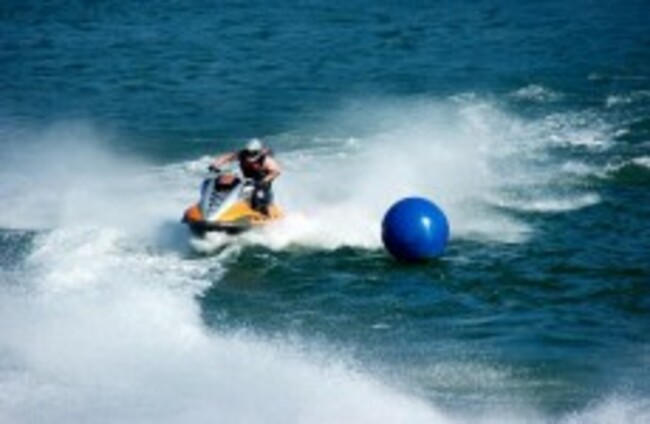
THE IRISH COASTGUARD says there’s been an increase of around 40 per cent in call-outs relating to leisure activities in the last three weeks, compared to the same period last year.
Amongst the categories showing a rise: broken down sail- and motor-craft; parents reporting missing children; swimmers in difficulty and, notably, nuisance jetskiers.
Operations manager with the Coastguard Declan Geoghegan says they’ve had “around half a dozen cases” of jetskiers causing problems and “tormenting” beachgoers. Speaking to TheJournal.ie, he said that some of the cases related to people using the watercraft too close to swimmers, noting it was likely that in some instances this was accidental. He warned:
The message we need to get out to jetskiers is that you need to stay away from designated swimming areas – the areas between the yellow and red flags that are supervised at beaches. Anyone on a jetski needs to keep a close eye for swimmers at all times.
Most cases of nuisance jetski use were recorded along the South Dublin coastline, although Geoghegan said there was also a case in recent days of a group of young men steering too close to the beach at Achill in Mayo.
Meanwhile, Irish Water Safety’s re-iterating its warning to anyone planning on taking a dip during the warm spell. CEO John Leech says three to six people lose their lives in drownings during each ‘heatwave’ we experience in Ireland.
“Teenagers and people in their early twenties are amongst the groups most at risk,” he told TheJournal.ie:
The big thing that happens is that you have groups of young people going off to find a secluded spot that won’t be supervised, at rivers or lakes or whatever. The fact that they may not be used to swimming in the area, combined with the likelihood that they may have had a few beers means they often get in trouble and can’t make it back to shore.
According to Leech, most drownings that occur in Ireland happen in freshwater – 62 per cent of the total. 37 per cent of all drownings happen in rivers.
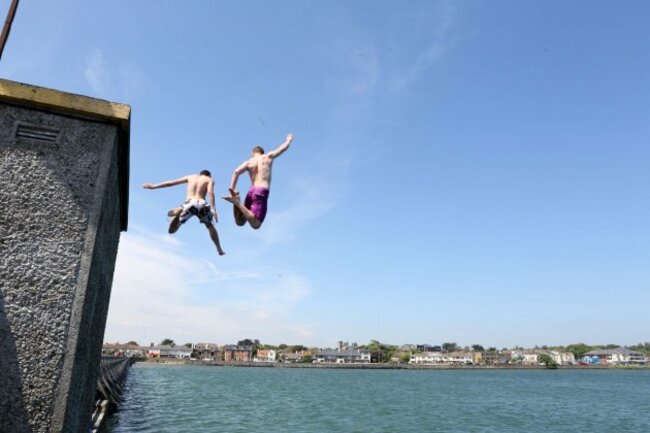
Swimmers jumping from the Bull Bridge into the Lagoon at Dollymount in Dublin (Image: Photocall Ireland)
“The big message we want to get across to young people is to find a spot that’s safe for swimming, where there’s a ring-buoy in place and where there’s safe access and egress from the water,” Leech added.
Irish Water Safety’s also warning sea swimmers of the increased risk from rip currents this week. The currents will be stronger than normal for the next few days, due to a new moon last Monday.

To embed this post, copy the code below on your site













have your say