Sign in. It’s quick, free and it’s up to you.
An account is an optional way to support the work we do. Find out more.
Sign in. It’s quick, free and it’s up to you.
An account is an optional way to support the work we do. Find out more.
NEANDERTHALS WERE PARTIAL to a bit of pigeon, according to a new study looking at the eating habits of our cave-dwelling ancestors.
In the archaeological findings, it is shown that neanderthals in Gorham’s Cave, Gibraltar consumed the feral pigeons direct ancestor, the rock dove.
The earliest evidence of rock doves being used as regular food stock dates back around 67,000 years, highlighting that neanderthals took to the practice independently – before the introduction of modern humans.
Consumption of pigeon still occurs today, but generally is restricted to the wood pigeon variety.
Gorham’s Cave is located on the south side of Gibraltar and faces out onto the Mediterranean Sea.
The cave is now at water level but at the time of habitation by the neanderthals, it would have been situated higher and may have been located several kilometres away from the sea.
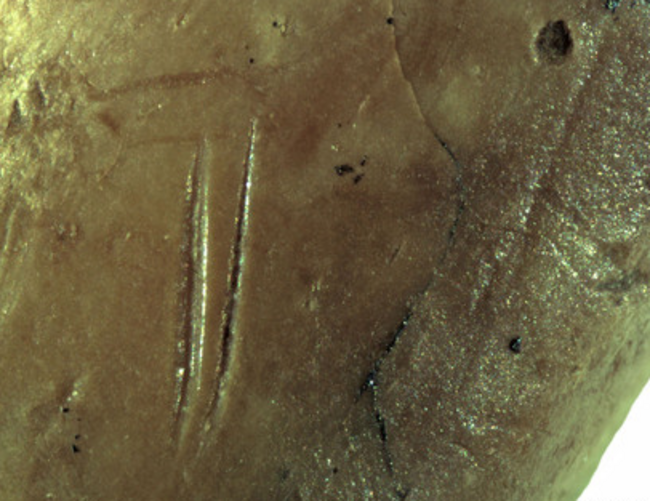
The research carried out in the area found 1,724 rock dove bones near the cave. On the remnants of the animals, cut marks were found on 28 of the bones, indicating human consumption. Teeth marks, belonging to 15 animals dating from the neanderthal period, were also found on bones.
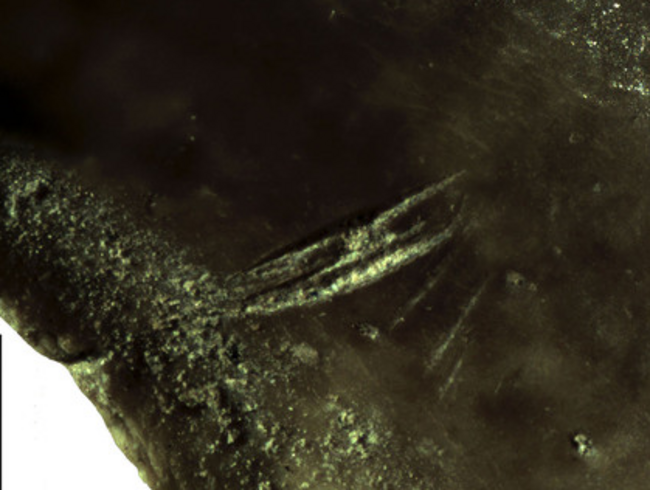
In addition to this, some of the bones showed clear signs of burning. Archaeologists are able to tell that neanderthals would have cooked the rock dove due to the distribution of burn marks on the found remains. Some parts of the bones are notably less charcoaled while areas that would have been more exposed have a darker colouration.
Previously, evidence has been found showing neanderthals to have eaten snails, seals, dolphins and fish.

To embed this post, copy the code below on your site
















have your say