Sign in. It’s quick, free and it’s up to you.
An account is an optional way to support the work we do. Find out more.
Sign in. It’s quick, free and it’s up to you.
An account is an optional way to support the work we do. Find out more.
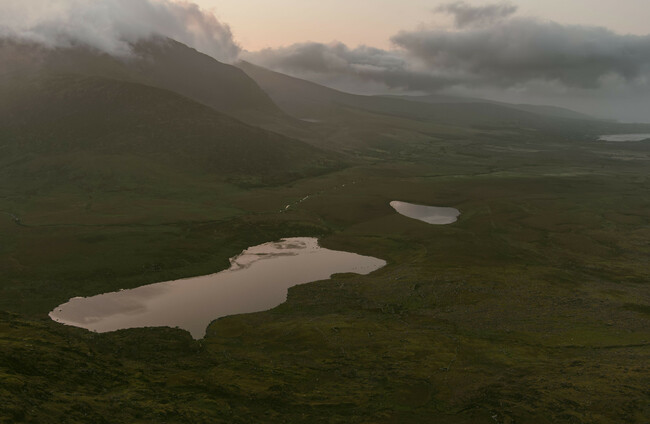

THE ANNOUNCEMENT OF a new national park and, a first for Ireland, a marine national park, is surely news to be celebrated. What’s not to like?
Páirc Náisiúnta na Mara, Ciarraí, which was announced yesterday by Ministers Darragh O’Brien and Malcolm Noonan, includes the purchase of boglands around the Conor Pass as well as waters around islands off the Dingle peninsula.
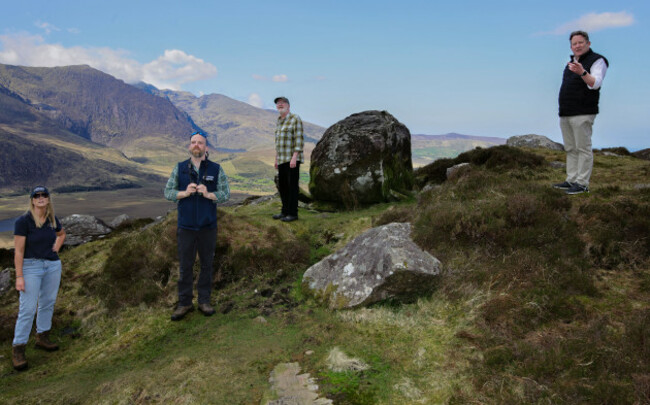
These areas are indeed of phenomenal natural value but people might be surprised to hear that its sudden transformation into a national park not only brings no benefits to nature but may actually bring yet more pressure to species and habitats already on the brink.
To begin with, national parks in Ireland do not exist in any legal sense. We can go back to 2002 and our first National Biodiversity Action Plan to find a commitment to pass legislation that would define a national park and create the powers to allow for their management. We are still waiting. In fact, only last year the National Parks and Wildlife Service (NPWS) said that legislation would be “published and reviewed” by June 2023, but our fourth National Biodiversity Action Plan, published earlier this year, now indicates this won’t appear until 2027.
None of our existing national parks operates under an up-to-date management plan and this was acknowledged when the NPWS was reformed in recent years. They had committed to publishing new management plans for all existing national parks last December, but there has been no sign of them either.
It is not as if our national parks are thriving with nature. Killarney’s problems with excessive grazing and infestations of rhododendron are well documented. Wild Nephin in Mayo is still mostly composed of degraded peatlands and vast expanses of alien conifers despite a phantom rewilding initiative launched by then-Taoiseach Enda Kenny in 2013.
The Wicklow Mountains are mostly used for sheep grazing and when the national park was expanded to include the Featherbeds area in Co. Dublin in 2016 the State was quick to reassure farmers that it would lead to no change in their farming practices. Which begs the question: what’s the point?
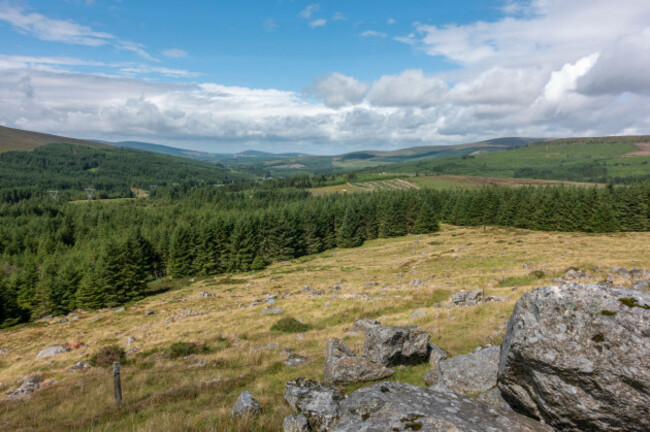
Yesterday’s announcement was jubilant and most media outlets base their reports on the press release that is issued in advance, which was accompanied by no details as to how the creation of a new national park will benefit nature. It did not even come with a map of the area concerned and, to make matters worse, was quickly followed with the predictable reassurances to landowners (and presumably fishers working the seas in this area) that no changes to farming or fishing practices would be required.
Indeed, much of the land and waters in and around the Dingle peninsula are already designated under EU law for nature protection but actual measures to comply with these laws sit on a heap of unfulfilled promises. The long-touted legislation to provide for marine protected areas, which should provide a framework for protection and restoration of sea life, also seems to be on a very long finger.
This is not to suggest that good things can’t or won’t happen. Last month, Minister Noonan posted a thread on social media about a major nature restoration project at Glenveagh National Park in Donegal. This is genuinely good news but there is no information available as to what is involved.
Did you know that one of the most ambitious nature restoration projects in the history of the State is kicking off in Glenveagh National Park, Co. Donegal? I went to see it for myself and meet the team leading the renewal of ecological processes at landscape scale. pic.twitter.com/4PLXViEJPH
— Malcolm Noonan T.D. (@noonan_malcolm) April 8, 2024
You’ll find no detail online on this or any other good works that might be under way in our national parks. This is not only a tragic communications failure but raises issues about transparency and accountability for activities on public land.
National park is an internationally recognised label, and people immediately associate the term with grand landscapes and wild nature. In fact, the International Union for Conservation of Nature (the global authority in these matters) provides definitions for various levels of a protected area, including that national parks should “protect large-scale ecological processes, along with the complement of species and ecosystems characteristic of the area”. NPWS claims that this is the definition followed for Irish national parks, but that’s simply not the case.
National parks are better understood as marketing initiatives to attract tourists. This will bring money to expand road access, walking and cycling infrastructure and ecotourism enterprises which we all love but inevitably bring human disturbance, waste, dogs, invasive species and yet more pressure on wildlife on top of the unsustainable farming and fishing practices that have mostly led to the collapse of ecosystems on land and at sea.
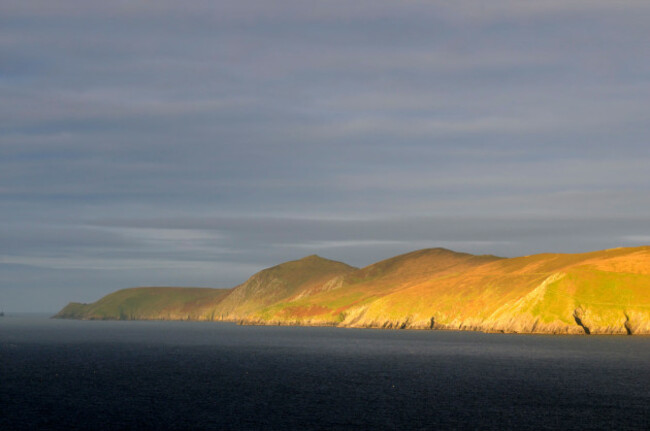
Last summer I was on Blascaod Mór watching people continuously approach the colony of grey seals, causing them to flee into the water. A sign asking visitors to stay back had only recently been erected; in most countries, a site of this significance would have full time wildlife wardens in place.
National parks should be places where nature is prioritised above all else. While it is positive that the State is buying lands for this purpose, unless it puts nature first and foremost it won’t deliver anything for our beleaguered wildlife and may even harm it.
Pádraic Fogarty is an environmental campaigner.
To embed this post, copy the code below on your site













have your say