Sign in. It’s quick, free and it’s up to you.
An account is an optional way to support the work we do. Find out more.
Sign in. It’s quick, free and it’s up to you.
An account is an optional way to support the work we do. Find out more.
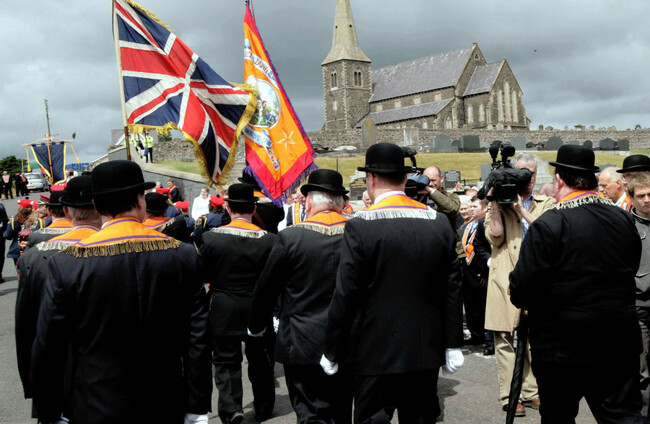
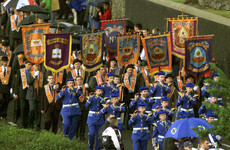
FOR THE FIRST time in almost three decades, Orangemen will be permitted to march along Portadown’s Garvaghy Road this weekend.
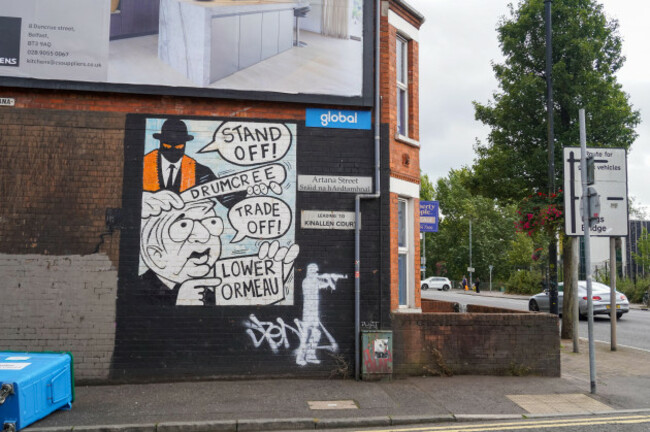
The Parades Commission has allowed a heavily restricted procession on Sunday, ending a run of decisions stretching back to 1998 which prevented the annual Drumcree parade from taking the mainly nationalist route.
So why has that changed?
The dispute is widely considered the biggest, most volatile sectarian flashpoint in Northern Ireland during the late 1990s.
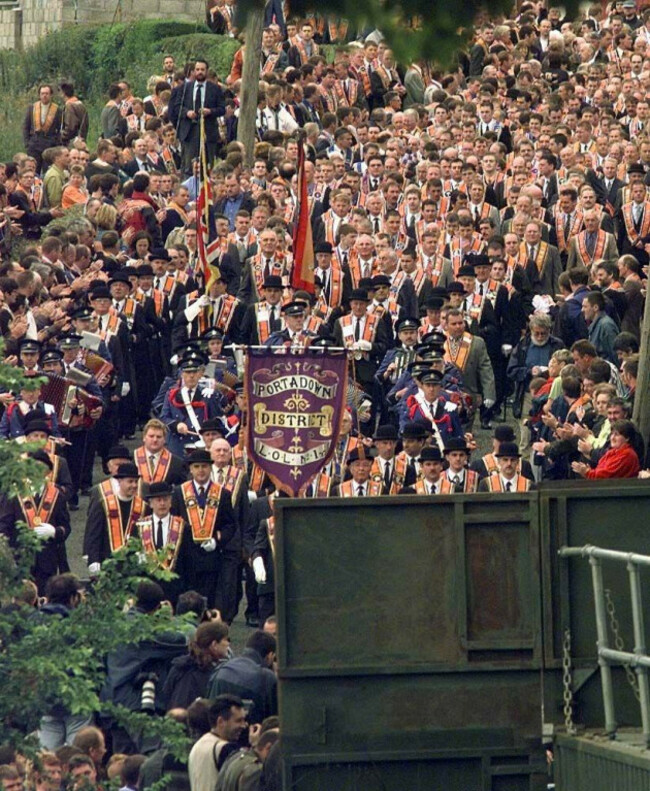
The Orange Order traditionally marched from Drumcree Church along Garvaghy Road, but the route had become predominantly Catholic and nationalist and residents opposed the parade passing through the area.
Attempts to restrict it resulted in serious disorder.
In 1998, the newly established Parades Commission ruled that the Orange Order could not complete the return leg along Garvaghy Road.
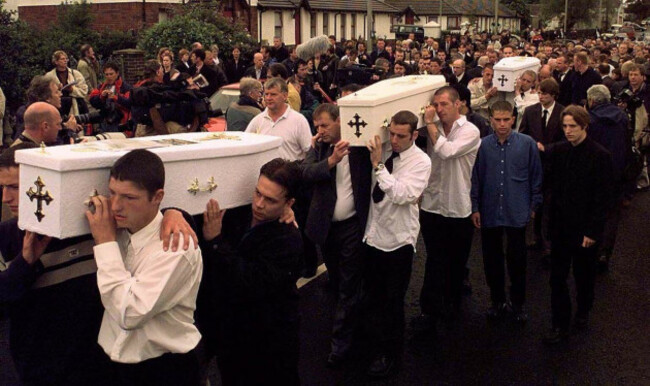
The decision was followed by widespread loyalist disorder. Three young brothers, Richard, Mark and Jason Quinn (aged 11, 10 and nine years old respectively), were killed in a UVF petrol-bomb attack on their Ballymoney home during the unrest.
The Orange Order has applied to complete the route almost every year since, but has repeatedly been refused permission.
It begins with a procedural mistake by the Parades Commission, the independent body that rules on contentious parades in Northern Ireland.
The Commission again decided this summer that the Orange Order could not return along Garvaghy Road.
But a Portadown Orangeman challenged that decision in the High Court and the Commission admitted that not all six commissioners had approved the final version of its decision before it was issued.
Belfast High Court Judge Gerry McAlinden said he had “no hesitation” in quashing the decision, criticising “errors”, “shortcuts” and “sloppy procedures”.
Importantly, the court did not rule that the Orange Order had a right to march down Garvaghy Road.
Instead, it effectively cancelled the Commission’s decision because the proper process had not been followed. That left the Orange Order free to submit a new application, which the Commission had to consider afresh.
And this new application was significantly different.
The Orange Order proposed just 60 people walking along Garvaghy Road in silence and without a band, compared with its usual application involving hundreds of members and two bands.
The Commission also sought advice from the PSNI, which said it had no information indicating that this parade would result in disorder or violence.
The Commission said it gave that assessment “significant weight”. It also noted that Drumcree parades have passed without disorder in recent years and that organisers had complied with previous restrictions.
Taking all of that into account, the Commission decided that completely banning the parade from Garvaghy Road would go further than was necessary.
Instead, it concluded that allowing a very small parade under strict conditions was the best way to balance the rights of marchers with the rights of residents and concerns about disorder.
The Commission has actually allowed fewer people than the Orange Order requested.
A maximum of 35 people can take part, with no bands or accompanying supporters. Only one banner can be carried while the parade is on Garvaghy Road.
The procession must leave Drumcree Church by 8am and disperse by 9.30am.
The Commission has stressed that its decision relates specifically to this application and should not be seen as a victory for one side or a defeat for the other.
Unionist politicians had strongly criticised the Commission following the court case, with DUP leader Gavin Robinson describing the successful legal challenge as a “totemic victory”.
Upper Bann DUP MP Carla Lockhart called the original ruling “absolutely seismic” and called for commissioners to resign.
Nationalists and residents’ groups have warned against reopening the dispute. Eleven residents’ groups from former parading flashpoints said allowing the Orange Order down Garvaghy Road could risk “unravelling” accommodations reached elsewhere.
Taoiseach Micheál Martin said last week that the High Court decision “is not an approval for the parade to take place”.
In a statement this afternoon, Northern Ireland’s First Minister Michelle O’Neill said she “strongly condemns” the decision by the Parades Commission to “force an Orange march through the Garvaghy Road community”.
The decision is also facing a legal challenge from the Garvaghy Road Residents’ Coalition, which opposes the march and has said the challenge will be heard on Saturday morning.
Additional reporting from Press Association

To embed this post, copy the code below on your site











have your say