Sign in. It’s quick, free and it’s up to you.
An account is an optional way to support the work we do. Find out more.
Sign in. It’s quick, free and it’s up to you.
An account is an optional way to support the work we do. Find out more.
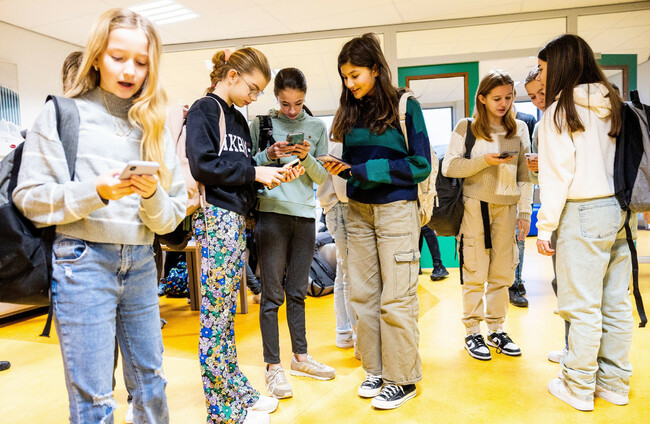

PARENTING TODAY IS pretty tough. The constant struggle of being “on” and engaged with our children can take its toll.
We reach the end of our tether while simultaneously reaching out for a screen to throw at the kids. This keeps them occupied long enough so we can go to the loo in peace or perhaps have a freshly made warm cup of coffee while flicking through our favourite TikToks.
But we instantly become riddled with guilt because everywhere we look, we see so-called experts telling us that we are frying our children’s brains. We might then weigh up our options and decide that we are happy to sacrifice a few of their brain cells to maintain our sanity.
It’s a familiar story up and down the country.
Recently, CyberSafeKids’ research found that a whopping 80% of primary school-aged children in Ireland have unsupervised access to devices in their bedrooms. Such findings are worrying, of course, but we are inundated with all sorts of advice about screen time, and it can be difficult to wade through it all.
Is screen time harmful? Can it be beneficial? The truth, as with many aspects of parenting, lies in nuance. While it’s tempting to paint screen time with a broad brush, lumping all digital engagement into a single category obscures an essential reality: the quality, content and context of screen use matter just as much as, if not more than, the duration.
From playground chatter to policy recommendations, screen time is often demonised as the root of modern parenting challenges. You see headlines warning of its impact on children’s mental health, attention spans and sleep patterns.
Those fear-laced messages spread like wildfire. Yet, oversimplified messages do little to equip parents with practical guidance. The idea that all screen time is equal is as flawed as suggesting that all food consumption is either wholly good or bad. Just as dieticians focus on balanced diets, it’s time for parents and policymakers to adopt a more sophisticated approach to digital diets.
Research underscores the importance of what children engage with on screens. Educational, interactive screen activities have been linked to positive developmental outcomes, while passive activities like scrolling social media or watching random videos are associated with negative ones. This distinction — between intentional, educational screen use and mindless consumption — is pivotal.
Think of screens as tools: a hammer can be used to build or destroy. Similarly, a video call with grandparents or an interactive educational app isn’t the same as hours spent watching unboxing videos on YouTube. Parents who co-view content with their children can turn screen time into an enriching, bonding experience rather than a solitary, isolating one.
Let’s not forget the benefits of technology. During the pandemic, screens became a lifeline for many families. They enabled children to continue their education, maintain social connections and explore hobbies.
Even now, a well-curated digital environment can introduce children to new languages, cultures and ideas. The key is in the curation — choosing content that fosters curiosity, creativity and learning.
Take my son, for example. Thanks to his favourite YouTube channel, he can now tell you everything you never wanted to know about ants — their tunnels, their queens and their social hierarchy — in such mind-numbing detail that you’ll start wondering why ants ever fascinated anyone in the first place. But hey, at least he’s learning!
For parents, the real challenge lies in striking a balance. Blanket bans or rigid rules are rarely the answer. Instead, fostering healthy screen habits involves:
It’s also important to consider external factors influencing screen use. Economic pressures, long work hours, and a lack of safe play spaces can lead to increased reliance on screens. Judging parents for their children’s screen habits without addressing these systemic challenges is neither fair nor productive.
Moreover, parental mental health plays a significant role in shaping a child’s screen habits. When parents are overwhelmed, screens often become a convenient babysitter. Offering support — whether through community resources or flexible work policies — can help families find healthier ways to manage digital engagement.
Screens are here to stay, and it’s about time we realise that we cannot ban our way out of this issue and move beyond over simplistic categorisation of good versus bad. We have a responsibility to empower parents with the tools and knowledge to navigate the digital landscape thoughtfully.
After all, technology is here to stay.
The question isn’t whether screens belong in our lives, but how we can integrate them in ways that enrich rather than detract from our children’s development. As parents, we’re not striving for perfection (that’s never a good approach!) but progress.
The next time you find yourself worried about your child’s screen time, ask not just how long they’ve been on a device, but what they’re doing and who they’re doing it with. By shifting the conversation from fear to empowerment, we can help our children — and ourselves — thrive in an increasingly digital world.
Afif El-Khuffash is a father of two, Consultant Neonatologist & Paediatrician at the Rotunda Hospital and host of The Baby Tribe podcast.
To embed this post, copy the code below on your site












have your say