Sign in. It’s quick, free and it’s up to you.
An account is an optional way to support the work we do. Find out more.
Sign in. It’s quick, free and it’s up to you.
An account is an optional way to support the work we do. Find out more.
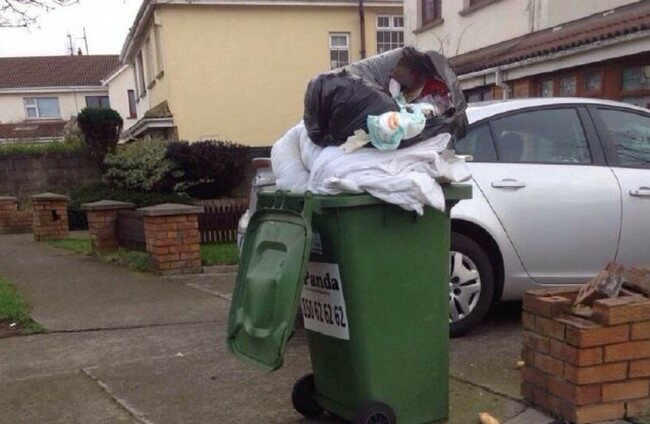
A THIRD OF all Irish recycling bins are contaminated.
A survey of over 1,300 people conducted by Repak, found that despite 90% of respondents recycling on a regular basis, over 53% of those surveyed were not entirely sure what can and cannot go into their recycling bin.
According to research by Repak, 65% of people don’t know that just one piece of contaminated packaging can ruin an entire recycling bin, and another 30 weren’t aware you could contaminate.
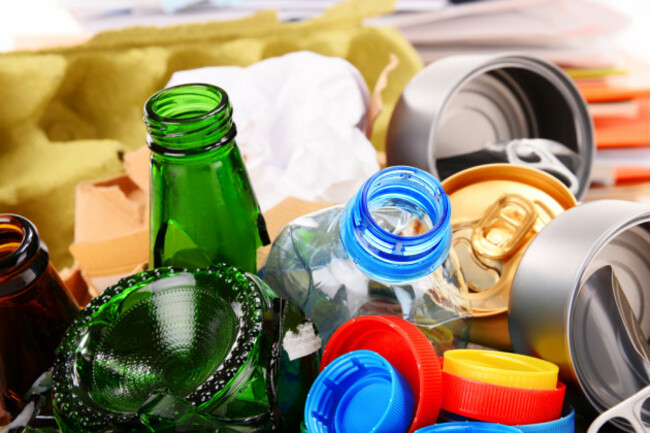
So what are you supposed to recycle? You can view the entire list here, but we’ve also given a flavour below:
What you CAN’T recycle
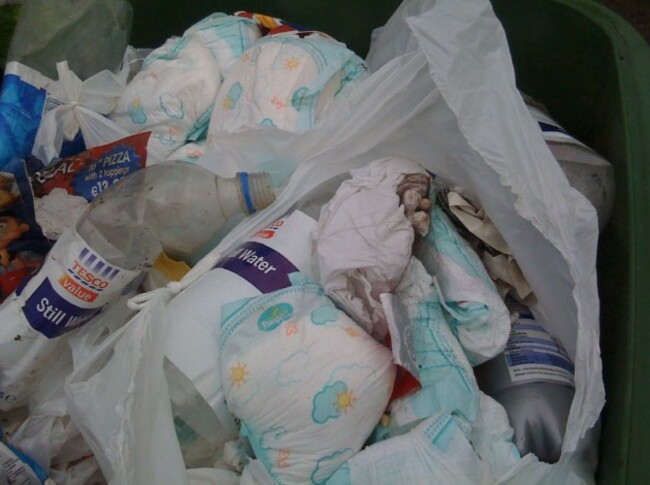
Repak’s marketing manager Laura Sherry says that last year she met with waste management companies, and the most common complaint they had about contamination was nappies, grass cuttings and food contaminated packaging.
She said that these would ruin an entire recycling bin’s contents.
“Paper, cardboard, aluminium, some plastics are all recyclable. If you recycle a can of coke, 6-10 weeks later it will be back on the shelves having been recycled.”
But there are some plastics that can’t be recycled, and it can be quite difficult to tell the difference sometimes. A takeaway cup, for example, can have a type of plastic in it that can’t be recycled and is difficult to separate from the recycled part.
Sherry says that they’re planning to push companies to ensure all packaging they use is fully recyclable.
(Repak are in charge of helping companies that produce over 10 tonnes of packaging a year be responsible for where their packaging goes.)
Other things like batteries, electrical goods, and compost can be recycled, but aren’t meant to go in the recycling bin.
Batteries can be brought to supermarkets to be recycled, electrical goods are to be brought to large recycling centres, and compost can be recycled in gardens.
Each year 100,000 tonnes of contaminated recyclable material is sent to landfill which causes considerable damage to the environment.
So the message is although a material might be recyclable, that doesn’t always mean it goes in the recycle bin.
In 2015, approximately 28,000 tonnes of paper and cardboard packaging, 13,000 tonnes of plastic and 29,000 tonnes of glass was sent to landfill because of contamination – that’s the equivalent of 550 Boeing 737 jets at maximum take-off capacity.
Repak is a for purpose packaging recycling scheme funded by contributions from more than 2,085 participating member’s companies. Since 1997, over 10 million tonnes of used packaging has been diverted from landfill.

To embed this post, copy the code below on your site












have your say