Sign in. It’s quick, free and it’s up to you.
An account is an optional way to support the work we do. Find out more.
Sign in. It’s quick, free and it’s up to you.
An account is an optional way to support the work we do. Find out more.
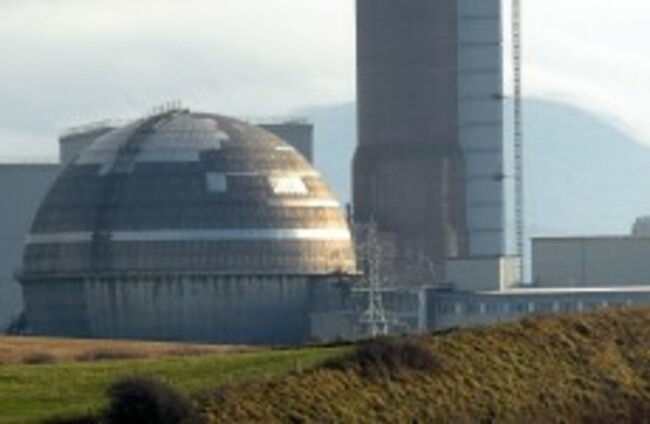
NUCLEAR WASTE STORED at Britain’s Sellafield plant poses “significant risks to people and the environment”, a watchdog has warned.
For more than 50 years, operators of the Cumbrian plant failed to dispose of radioactive waste properly or maintain many of its 1,40o buildings to a modern standard, the National Audit Office said. As a result, any significant containment failure “could result in highly hazardous radioactive material causing enduring contamination, affecting people and the environment”, it said.
The highest risks are posed by ponds and silos built during the 1950s and 1960s, which were used to store fuel for early reprocessing operations. However, progress in dealing with them has been slow, with progress in 12 of the 14 major buildings and equipment projects considered “critical” for reducing risk failing to achieve what they were supposed to and not providing good value for money.
“Owing to historic neglect, the Authority faces a considerable challenge in taking forward decommissioning at Sellafield” said Amyas Morse, head of the NAO.
2020 is the target year for completing the clean up at the plant but “it cannot say with certainty how long it will take to deal with hazardous radioactive waste at Sellafield or how much it will cost.”
£67.5bn (€84bn) has been provided for decommissioning and cleaning up of Sellafield.

To embed this post, copy the code below on your site











have your say