Sign in. It’s quick, free and it’s up to you.
An account is an optional way to support the work we do. Find out more.
Sign in. It’s quick, free and it’s up to you.
An account is an optional way to support the work we do. Find out more.

THE UNITED KINGDOM has warned Syria’s government against using chemical weapons – saying that if it did so, the UK would be forced to “revisit” its stance towards the country.
The UK’s statement comes just one day after the United States issued a similar warning to Bashar al-Assad’s government, with President Barack Obama declaring that chemical or biological warfare was a “red line”.
“That’s an issue that doesn’t just concern Syria. It concerns our close allies in the region, including Israel. It concerns us,” Obama said. “We cannot have a situation where chemical or biological weapons are falling into the hands of the wrong people.”
It is believed that Syria possesses extensive chemical and biological weapon stockpiles, and it has threatened to use them if the country comes under foreign attack.
British Prime Minister David Cameron spoke with both the American and French presidents yesterday, according to the BBC.
A Downing Street spokesman said that Cameron and Obama had agreed that that “the use – or threat – of chemical weapons was completely unacceptable and would force them to revisit their approach so far”, and that they and Hollande had discussed possible ways to “help a potential transitional Syrian government after the inevitable fall of [President Bashar al-] Assad”.
However, the rhetoric has been met with disdain by China – with state news agency Xihua accusing the Western allies of “sharpen(ing) their weapons before exercising interventionism.”
“Apart from being ineffective to bring real peace, military interventions by the United States and its Western partners are always interests-driven and highly selective… under the disguise of humanitarianism, the United States has always tried to smash governments it considers as threats to its so-called national interests and relentlessly replace them with those that are Washington-friendly,” it continued.
Civilian deaths in Aleppo
Meanwhile, a new report from Amnesty International has painted a stark picture of life in the country’s second-largest city, Aleppo. Based on first-hand field investigations by the human rights organisation during the first half of August, the report documents increasingly frequent air and artillery strikes against residential areas by Syrian government forces.
Donatella Rovera, Amnesty International’s Senior Crisis Response Adviser, who recently returned from Aleppo said: “The use of imprecise weapons, such as unguided bombs, artillery shells and mortars by government forces has dramatically increased the danger for civilians.”
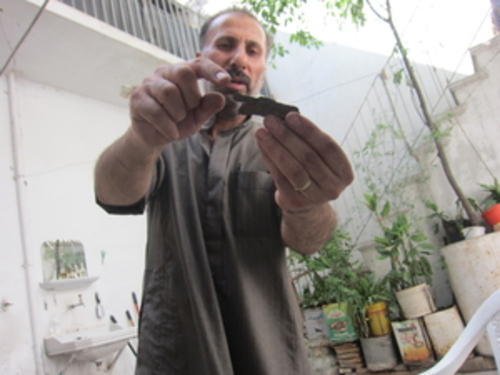
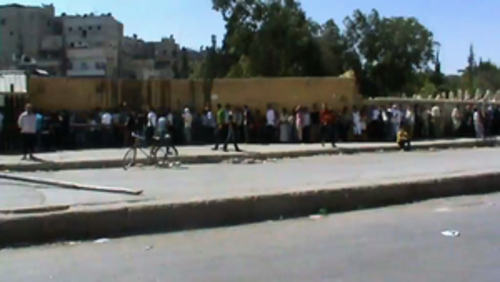
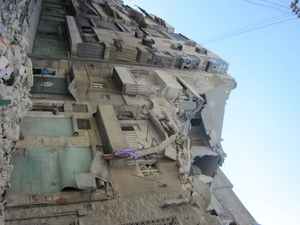
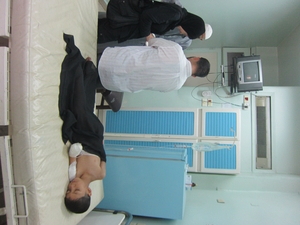
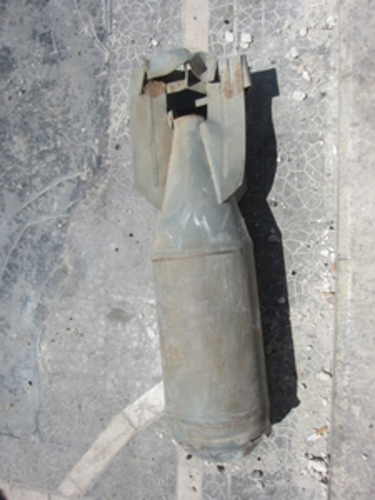
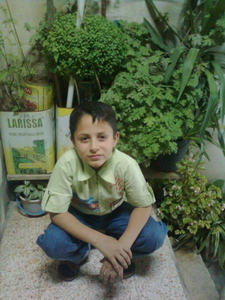
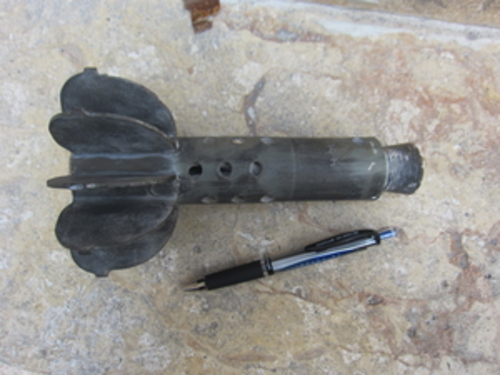
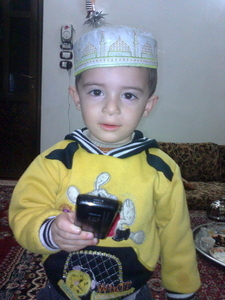
During a ten-day visit to the city, the organisation investigated 30 attacks in which civilians, many of them children, were killed or injured, and concluded that attacks often failed to distinguish between opposition fighters and civilian residents. According to the report, offensives appeared to be randomly directed at neighbourhoods under the de-facto control of opposition fighters, rather than at specific military objectives.
The report also documents a “sharp increase in extrajudicial and summary executions of civilians not involved in the conflict by government forces”. It alleges that bodies of mostly young men – “usually handcuffed and shot in the head” – have been frequently discovered dumped near the headquarters of the Air Force Intelligence which is completely controlled by government forces.
Opposition fighters
Amnesty International’s report indicates that the “overwhelming majority” of victims in the conflict have been killed in air strikes and artillery attacks by government forces – however, it also says that opposition fighters have at times used imprecise or indiscriminate weapons (such as mortars and home-made rockets) that equally pose a danger to civilians.
It voices growing concerns regarding unlawful killings and ill-treatment of captives by opposition fighters belonging to a range of armed opposition groups operating in the city – including the Free Syrian Army (FSA). Amnesty International says it has repeatedly called on the FSA leadership to take steps to put an immediate end to such abuses and to ensure that these, and any other killings of captives, be investigated impartially.

To embed this post, copy the code below on your site














have your say